
Dolly the Sheep became one of the most famous animals in history without ever knowing it. Nearly three decades after her birth, the cloned sheep remains at the centre of debates about science, ethics and the limits of human innovation.
Now, Channel 4's Dolly: The World's Most Famous Sheep is revisiting the remarkable story behind the animal that stunned the world and sparked fears that human cloning could be science's next step.
When Dolly's existence was announced months after her birth, in February 1997, the reaction was immediate. Newspapers across the world splashed the story on their front pages, while politicians, religious leaders and scientists weighed in on what the breakthrough could mean for the future.

Related: Best streaming services
Dolly was born on 5 July 1996 at the Roslin Institute, near Edinburgh. At first glance, she looked like any other sheep. But what made her extraordinary was the way she had been conceived.
Scientists at the institute successfully cloned her using a cell taken from the mammary gland of an adult Finn Dorset sheep. That cell was combined with an unfertilised egg cell that had its nucleus removed before being implanted into a surrogate mother.
What to Read Next
While cloning experiments had been carried out decades before her, Dolly was the first mammal successfully cloned using this technique, which many scientists had believed was impossible.
The achievement was the result of years of research led by English embryologist Ian Wilmut and biologist Keith Campbell. In reality, the process was far from straightforward. Dolly was the only successful birth from 277 attempts, highlighting just how difficult the procedure was.
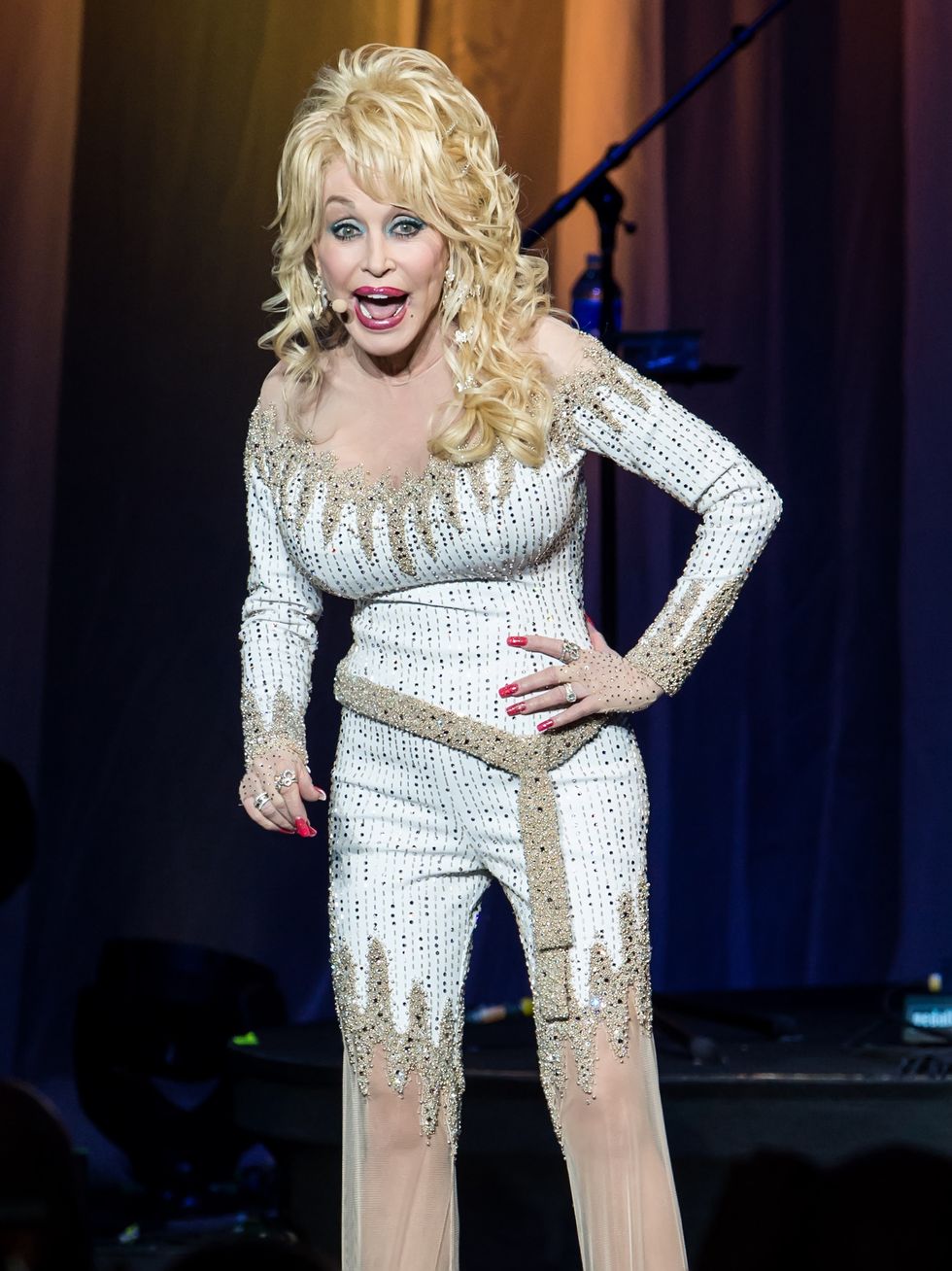
Even her name has an unusual backstory. The donor cell used came from mammary tissue, prompting the research team to name the sheep after country music star Dolly Parton when an employee at the Roslin Institute suggested the name to replace her code name, lamb number 6LL3.
However, the excitement surrounding the breakthrough was quickly followed by concern as many people wondered whether the same technology that led to Dolly's birth could eventually be used on humans.
This prospect sparked worldwide debate. Governments rushed to review regulations surrounding cloning research and ethicists questioned whether science was moving faster than society could keep up with.
In the United States, then-President Bill Clinton imposed a federal funding ban on human cloning and called for a review of federal policies on the practice, directing the National Bioethics Advisory Commission (NBAC) to study its implications. Similar discussions took place across Europe as experts attempted to understand the discovery.
Despite the controversy surrounding her, Dolly's own life was relatively ordinary. She remained at the Roslin Institute, where she became a famous attraction. More importantly, Dolly was able to reproduce naturally.

Related: Best LEGO sets
During her lifetime, she gave birth to six lambs after mating with a Welsh Mountain ram named David, proving to scientists that cloned animals could live normal reproductive lives. But questions around her health continued to follow her.
In 2001, Dolly was diagnosed with osteoarthritis, prompting speculation that cloning might accelerate ageing. Some researchers even wondered whether cloned animals were effectively "born older" because the cells used to create them had already aged.
Dolly the Sheep was euthanised in 2003 after developing ovine pulmonary adenocarcinoma - a progressive lung disease caused by a retrovirus and common in sheep, especially those housed indoors. She was six years old.
While some critics pointed to her age as evidence that cloning carried risks, scientists have since argued that there is no clear proof that Dolly's death had any links to the cloning process itself. Today, Dolly's taxidermied body is on display at the National Museum of Scotland in Edinburgh, where she remains one of its most visited exhibits.
Dolly: The World's Most Famous Sheep airs this Monday at 10pm on Channel 4.
Visit our Streaming Guide now to see at a glance where you can view ALL your favourite shows and movies.
The new edition of Living Legends, a collector's edition exploring the royal family, is here! Buy The Royals in newsagents or online.


