The news broke this week that Ben Affleck will be following up his debut as Bruce Wayne in Batman v Superman: Dawn of Justice with a solo film for the Dark Knight, which he will also be directing.
Part of the announcement also revealed that Geoff Johns is working on the screenplay with Affleck. You may have heard his name before, as Johns has become a major writer for DC Comics on and off the screen, including working the miracle of making Green Lantern popular again.
Here's a look at his rise from plucky newcomer writer to major architect of DC and Warner Bros' superhero universe:
From out of nowhere

Living in Los Angeles, young Geoff Johns had a lucky break that led to him being hired as an intern by Superman director Richard Donner in the '90s. Through his mentor Donner, Johns first came into touch with DC Comics staff. A long-time comics fan, he pitched some ideas and was brought on board to write a 1999 series called Stars and STRIPE which you've probably never heard of.
Johns proved popular - with his passion for DC and call-backs to classic stories delighted fanboys while bringing an exciting and modern touch that made his comics accessible to newer readers. What resulted was some refreshing takes on some lapsed DC properties, defying the odds to make people care about characters such as Hawkman and Booster Gold.
What to Read Next
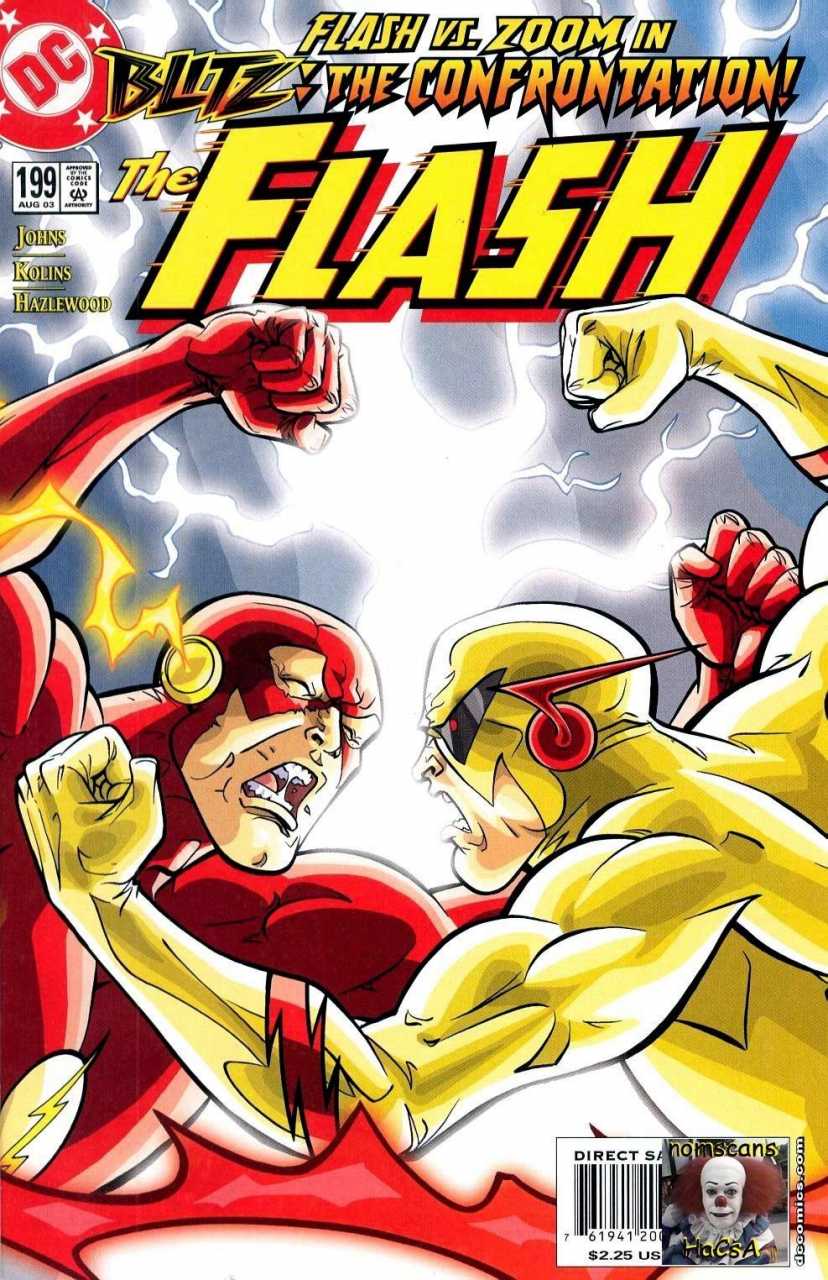
He quickly graduated to co-writer on JSA, and then on to his childhood favourite The Flash, where he cemented Wally West as everyone's favourite version of the superhero (there are still hurt feelings about Barry Allen's return to this day).
Johns also had a short stint at Marvel, including writing 20 issues of Avengers - a run which featured Ant-Man Scott Lang (the star of Marvel's newest film) and Jack of Cards (don't ask).
In Brightest Day
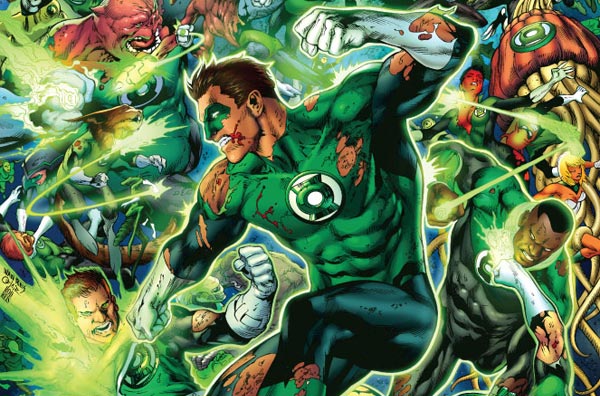
The writer is probably best known for one revival in particular - that of Green Lantern Hal Jordan. In typical comics fashion, Jordan had gone evil, destroyed the Green Lantern Corps and killed a load of people only to see that light for a Noble Sacrificeâ„¢ and come back as the spirit of God's vengeance (seriously).
2004's Green Lantern: Rebirth rehabilitated Jordan with some clever mythology twisting, establishing him as the big number on Green Lantern while leaving a respectful space for his successors.
To everyone's surprise, Green Lantern become DC's biggest property (next to perennial bestseller Batman), running through a series of well-received stories including 'Secret Origin', 'The Sinestro Corps War' and 'Blackest Night', and surviving the New 52 reboot largely untouched (DC knew it was onto a good thing and wasn't taking any risks).
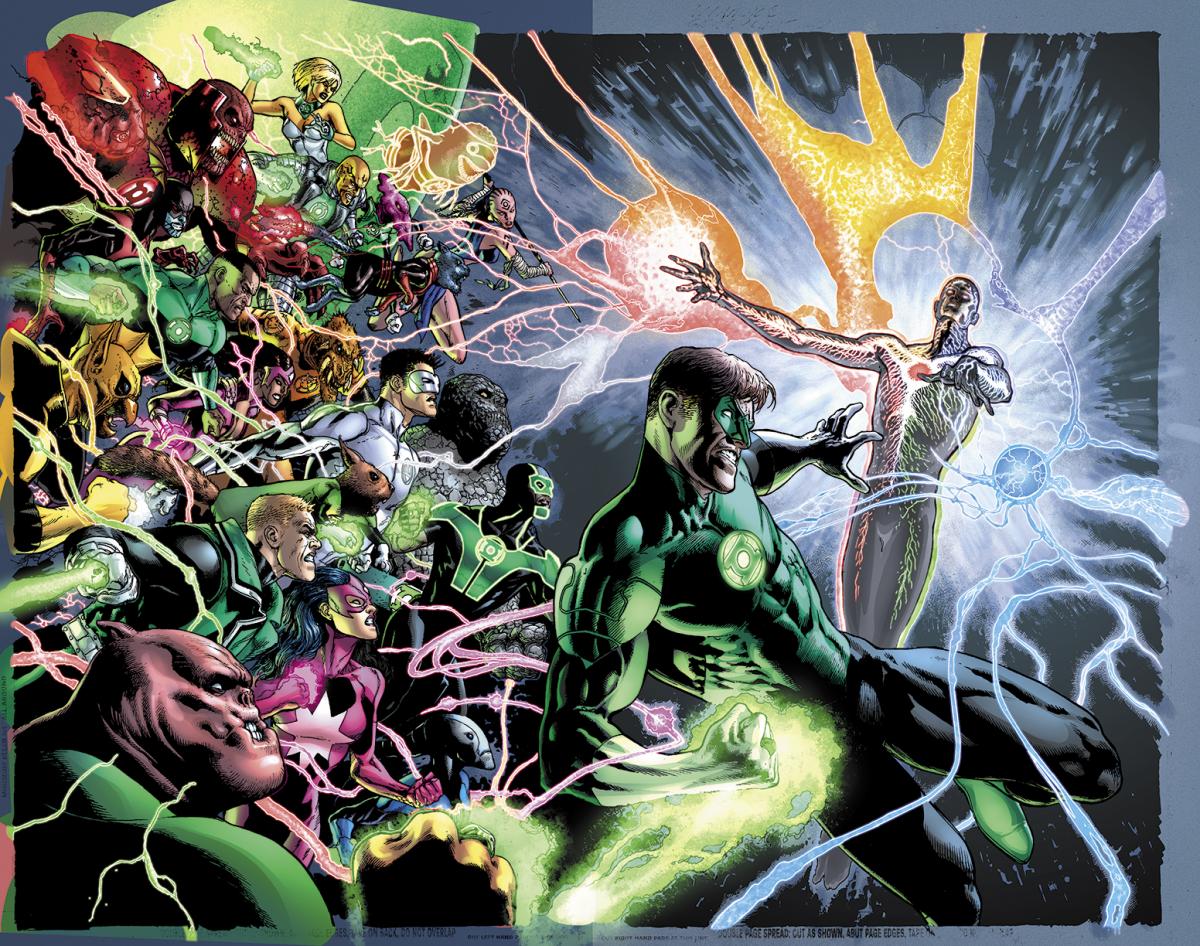
His stories petered out a bit, culminating in the oversized and painfully self-congratulatory Green LanternGreen Lantern, including an appendix in which his colleagues heaped praise on him.
This extended period also saw Johns lead DC's major Infinite Crisis, 52 and Flashpoint events, well-received runs on the Justice Society of America and the Superman-starring Action Comics, and as writer of the Batman: Earth One original graphic novels - strangely enough, his only major solo work on the Caped Crusader.
From small screen to big
Johns got his first taste of screenwriting for DC on Smallville - initially with the episode 'Recruit' in 2005. His following episodes introduced classic DC characters including the Legion of Super-Heroes and Booster Gold to the on-screen world, and, most-notably, the Justice Society in the feature-length 2010 episode 'Absolute Justice' - a remarkably deft introduction of the complicated and decidedly retro Justice Society.
He has become involved in DC and Warner's movie output, fatefully including a role as co-producer and creative consultant on the Ryan Reynolds-starring Green Lantern movie in 2011, a creation that did much to undo all his good work on the character. The bad taste of that film still lingers in a lot of mouths.
Johns was named DC's new chief creative officer in 2010, giving him responsibility over TV, film and comics content. He has slowly rolled back his comics writing duties, going from writing pretty much everything down to Justice League, Aquaman and Green Lantern in the New 52, and now only Justice League.

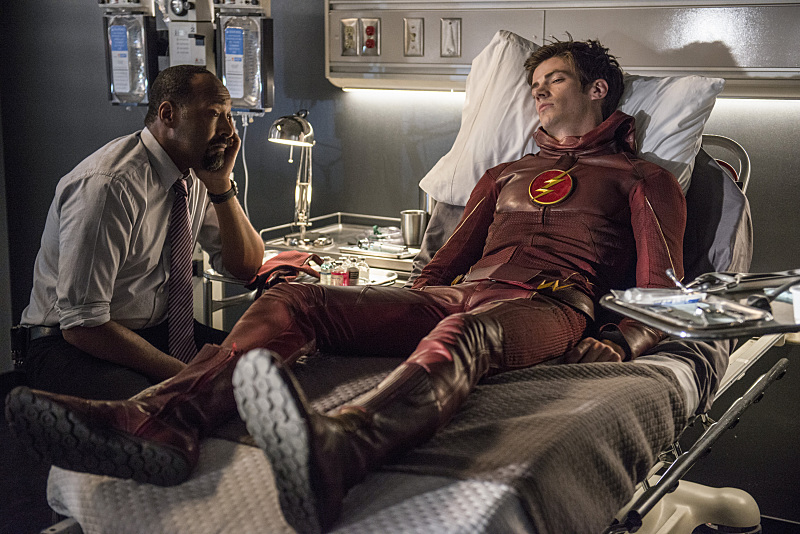
A writing spot on The CW's Arrow has transformed him into one of the creators of the Flash television show, reuniting him with the character that brought him to everyone's attention in the first place.
Johns will have a major role in Warner's ambitious slate of upcoming films, serving as executive producer on Batman v Superman: Dawn of Justice, Suicide Squad, Wonder Woman and Justice League in the coming years. Whatever the fate of DC's attempt to emulate Marvel, expect Johns to remain a fixture of DC's multimedia world for many years to come.
A brief Geoff Johns reading list:
Green Lantern: The Sinestro Corps War
Widely assumed to be the apex of Johns's tenure on Green Lantern, this storyline gave us an all-out, pan-universal war by throwing a bevy of obscure villains at the reader.
In the hands of a lesser writer it would be a mess, but Johns made it sublimely fun.
Action Comics: Superman and the Legion of Super-Heroes
Johns took the fun concept of the 31st century's Legion of Super-Heroes and cut out many of the continuity problems that had confused it.
What results is an entertaining, action-packed and moving adventure - a highlight for both the Legion and the Man of Steel.
Blackest Night
Pure madness in comics event form, Blackest Night sees the entire universe overrun by evil undead superhumans in a tale packed with horror, humour and action.
It's absolutely silly and absolutely fun from beginning to end.
Justice Society of America: The Next Age
Teaming with the excellent Dale Eaglesham, the first arc in this run shows off Johns's talent with characterisation far away from the bustle of major events and crossover.
Celebrating the legacies of some of DC's oldest heroes and introducing some brand new faces, this is the way to launch a comic.


