
Doctor Who episode 'The Star Beast' spoilers follow.
It might be tempting to say that 'The Star Beast', the first in a series of new Doctor Who specials, is simply paying lip service to the trans community.
Rose Noble (not Noble-Temple – "it sounds like an old ruin") is the daughter of beloved former companion Donna. Rose is trans, and played by trans actress Yasmin Finney of Heartstopper fame. And, as anyone who's opened Twitter/X probably knows by now, there's a scene in which Rose questions The Doctor about pronouns. Yes, Doctor Who has characters ask about pronouns now.
Searching "Doctor Who pronouns" on social media isn't a door we'd want our worst enemies to open, but it seems like this simple exchange of a few lines is all that some people are taking away from the show's approach to gender. And that's a shame, because 'The Star Beast' has a lot to say about gender identity; from the complex realities of being trans in the real world, to more fraught ideas about what The Doctor's face might mean for their own gender (yes, we've given them they/them pronouns!).

Related: Doctor Who: 'The Star Beast' critics have missed the point entirely
At the heart of this is, of course, Rose. When she's first introduced, her trans identity isn't mentioned at all. Instead, it's initially revealed when Rose is deadnamed (calling her by the name associated with a gender she no longer identifies with) while walking down the street.
What to Read Next
But these characters aren't cartoonish, transphobic villains. In fact, they're never even seen. It's just a throwaway line of dialogue that situates Rose's trans-ness in the real world – a world where not everyone is understanding or accepting. But what makes this really interesting is the fact that it extends, in a way, to Rose's own family.
When Donna and Sylvia – Rose's mother and grandmother – have a conversation about the schoolmates deadnaming Rose, Sylvia herself slips up. In talking about the right kind of words to use, she lets slip "I never would have said 'gorgeous' when he was…", before trailing off into awkward silence.
And while it might have been nicer – and probably quote-unquote 'better' representation – to have Sylvia be a perfectly knowledgeable ally for her granddaughter, there's something about this slip of the tongue that has a really powerful impact.

Sylvia acknowledges her mistake and tries to fumble past it. That's what makes the trans storyline in 'The Star Beast' so interesting; it shows characters who are imperfect but still trying to be better. It doesn't offer an airbrushed version of trans life but instead grapples with the things that make it difficult, as well as what can make it magical.
But this isn't a real-world story, this is an episode of Doctor Who and, inevitably, The Doctor crashes back into the lives of the Noble/Temple clan, all while trying to avoid bringing back The Metacrisis that could end Donna's life.
It's here, when The Doctor discovers an alien life form, The Meep, that the pronouns conversation happens. The Doctor, when trying to save The Meep, says, "I'll take him home and then you'll never see me again."
This is when the already discussed-to-death line from Rose comes up. "You're assuming 'he' as a pronoun?"
This question seems to catch The Doctor off guard; it isn't something they've dealt with before. "Yes. True. Good point," they concede, before asking The Meep, "are you he, she, or they?"
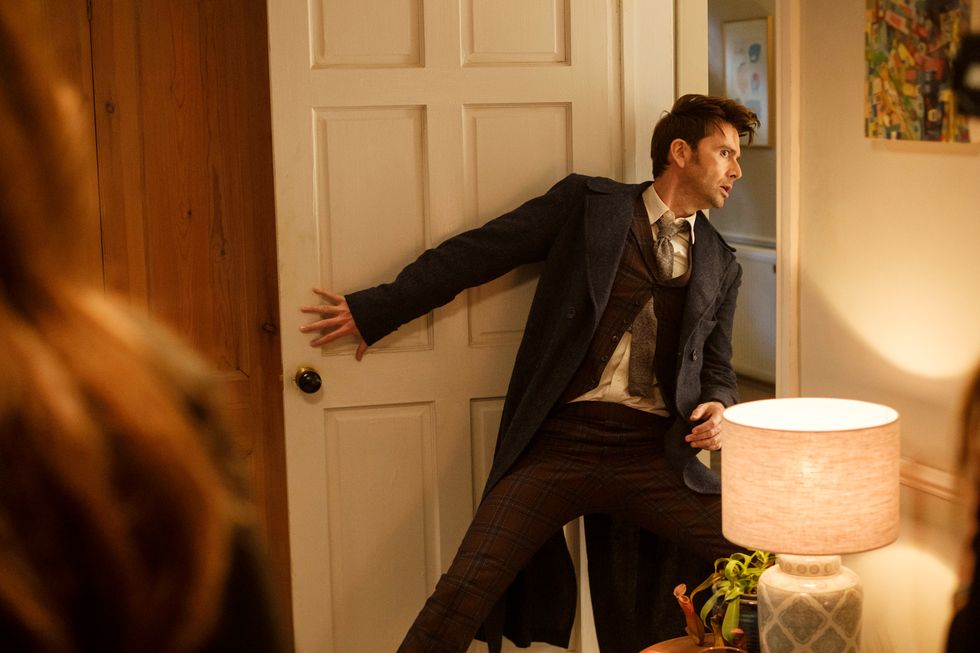
It's a sweet gesture towards understanding and inclusivity, but 'The Star Beast' then goes in directions that are more complex, and occasionally frustrating – for better and for worse.
After all, if Jodie Whittaker's incarnation of The Time Lord is the first time that they changed the gender they present, then this return to Tennant is the first time that they've changed back.
The episode keeps acknowledging this, with The Doctor asking themselves why they have this face again. The Doctor is not blessed with perfect knowledge of trans rights and allyship just because their own relationship to gender has become more fluid and, frankly, neither has the show itself.
At the climax of the episode, when Donna and Rose share the power of The Metacrisis in order to stop the destruction of London, they also choose to simply "let go" of the knowledge, power, and burden that comes with The Metacrisis.
This only becomes frustrating when Donna refers to this as something that a "male-presenting Doctor" couldn't understand. While it might seem like a throwaway line, it feels like the show has run into a wall when it comes to trans-ness, encountering something it doesn't know how to deal with yet.
Because this line ends up creating a heavy association between The Doctor's personality and their gender, something that, in the end, is far more binary than it needs to be.
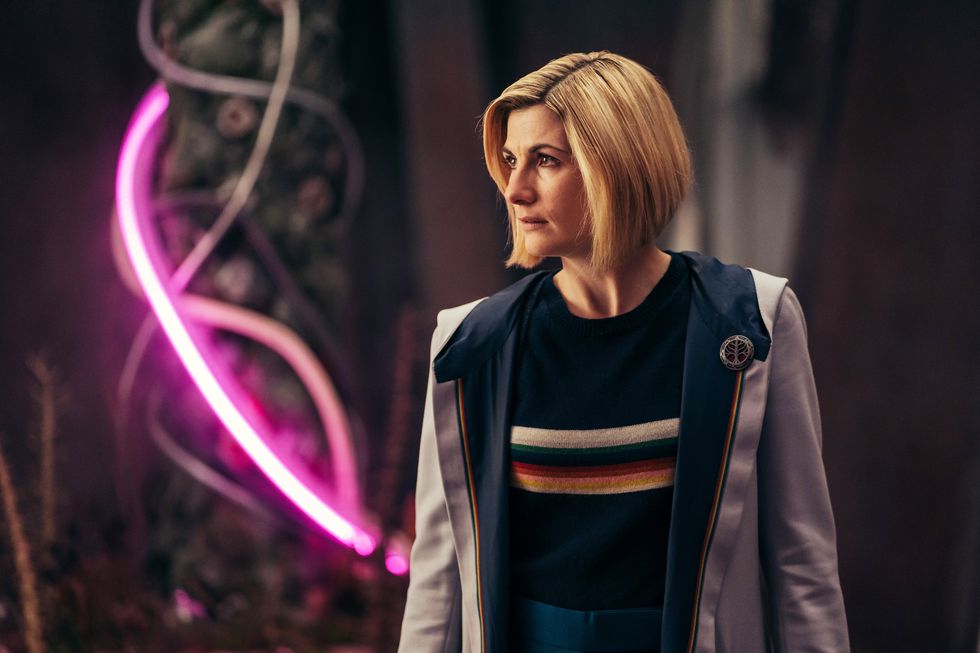
Throughout Doctor Who, new incarnations of The Time Lord have learned from those that came before. From his first appearance, Tenant's tenth Doctor always carried with him the rage of Christopher Eccleston's lost, warmongering Ninth Doctor, just as The Eleventh Doctor was burdened with the grief that closed out Tenant's first run on the show.
It feels like a missed opportunity, then, to assume that The Doctor changing the gender that they present is this much of a reset button, that they would have to be this binary not just in how they act, but how they're perceived. After all, between them, The Doctor, Donna, and Rose say: "The Doctor's male, and female, and neither, and more."
In theory, this should capture the complex, fluid relationship that they have to gender. But The Doctor then says "we're binary", when they're anything but.

'The Star Beast', thankfully, doesn't simply pay lip service to trans identity. It grapples with the struggles and contradictions of it in a way that feels grounded and empathetic but, ironically, when it tries to take gender away from Earth, seems less sure of what to do.
It's far from perfect, but it doesn't have to be. Doctor Who – especially under returning showrunner Russell T Davies – has always been about curiosity, empathy, and trying to make things better.
So whatever direction it goes in next – whether in confident strides or slightly fumbling missteps – the journey promises to be more interesting than ever.
Doctor Who 'The Star Beast' is available on BBC iPlayer. The show airs on BBC One in the UK and Disney+ elsewhere.
Classic episodes of Doctor Who are now made available via BBC iPlayer in the UK as well.

Sam Moore is a culture writer from the UK, writing mainly about film, TV and music for the likes of The Guardian, GQ, The Independent and many more. He is currently working on a book about the making of Peter Jackson’s Lord of the Rings trilogy.


