Black History Month in the UK has just rounded off its ample talks and annual conversations about empowerment in the Black community. In addition to these dialogues held in various forums across the country, films continue to be a vital way of educating others on Black history.
While movies on the Black experience serve as enriching resources and entertainment, these depictions are often reduced to on-screen trauma and violence, making Black stories synonymous with Black trauma. They are Black 'trauma porn'.
Antebellum, 12 Years a Slave, Underground Railroad, When They See Us, Queen & Slim and more are prime examples of how storytelling based on suffering inflicted upon Black people perpetuates a commoditisation of Black death that Hollywood has profited from.

Black pain on screen represents a one-sided horror of Black history and life void of the joy, laughter and resistance of the Black experience. Alternative narratives of the Black experience – ones that evoke joy and happiness – deserve to be celebrated and seen too.
Focusing on films that offer uplifting stories and include the positivity of Black experiences is not a denial of the atrocities that have occurred in Black history. Rather, they help to create nuanced perspectives about love, hope, triumph and most importantly joy.

The upcoming Till tells the story of Mamie Till-Mobley, who seeks justice after the murder of her son Emmet. In this movie, we see how filmmakers are shifting how they showcase Black trauma. Director Chinonye Chukwu said: "I did not want to show any violence inflicted on Black bodies."
What to Read Next
Choosing carefully not to show excessive cruelty, Till is a sign of how filmmakers are moving away from relying on Black trauma as a narrative backbone. Black pain is not a feast for viewers. Instead, Till focusses on Emmett's mother's emotional journey.
Nuanced images of the Black experience in film do not only spark joy, but also pave the way for other genres to depict the varied Black experience. There's the Afro-futuristic lens of Black Panther, where the fictional country of Wakanda is not just another destitute, poverty-stricken nation ready for white saviours' alms. Rather, it's the world's most technologically developed country.
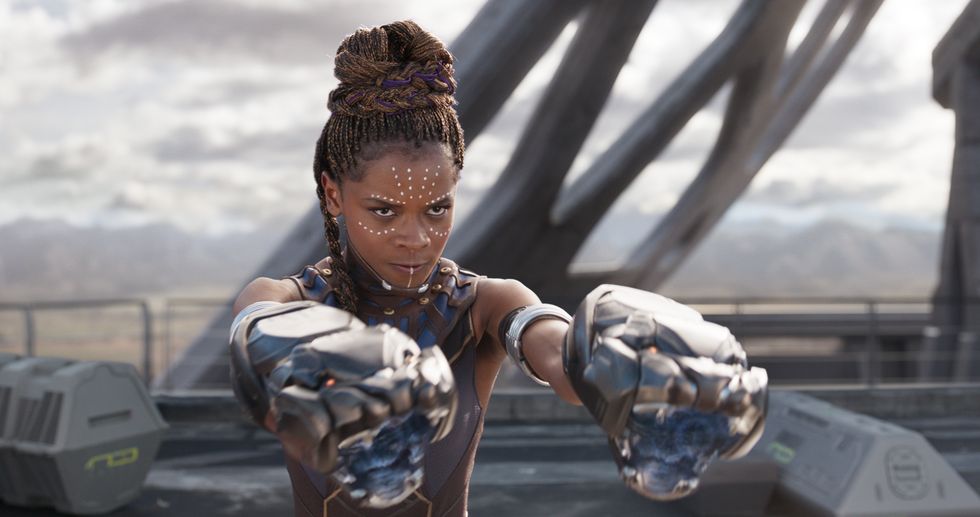
This awakens viewers' minds to possibilities beyond the usual Black narrative. Similarly, The Woman King creates a positive image of Black women by depicting an event that for years went untold. Seeing women in The Woman King kick ass is uplifting.
Hidden Figures, another film led by women, draws on a part of history that, yes, reflects the segregated nature of our past, but also the triumphant nature of our breakthrough.
Black joy in films provides an opportunity to reimagine storytelling beyond the narrow confines of pain, especially after such a long history of negative depictions. To focus on Black trauma porn creates a myopic view of Black films, and therefore Black life.

Within the complexities of Black life, Black films and TV shows that spark joy and triumph are a much truer reflection of the myriad of facets that make up the Black experience. As the future of our film industry evolves, the only way to create diverse narratives is to also expand on the depth of stories being told; include not just the brutality, but the victories.
Knowing that Black people do not need to open their wounds to get people to understand and empathise is a core part of Black joy in movies. We do not always have to be reminded of pain when tuning in to entertainment.
Releasing the Black narrative from the shackles of violence and struggle allows viewers to enjoy full creative experiences rather than only reminders of their suffering. It gives us hope to pave brighter futures, but most importantly helps us to just have fun. Because films are entertainment, after all.
Best Entertainment and Tech Deals


Coronation Street X Joanie - Gilroy Retro Newton And Ridley Sweatshirt