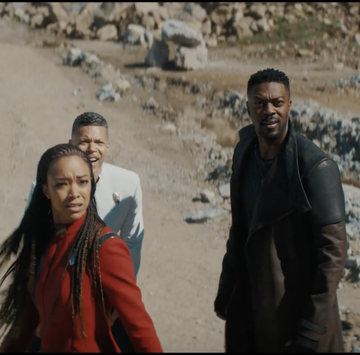
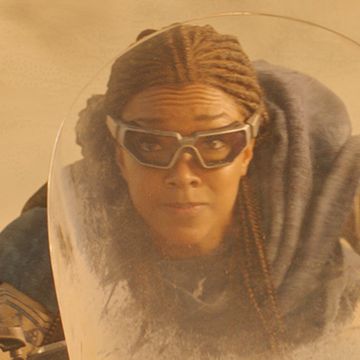
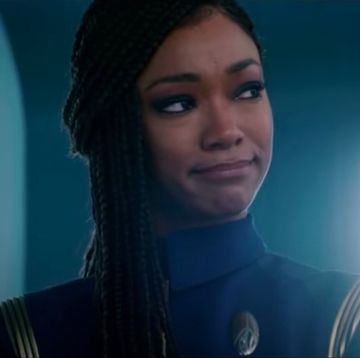
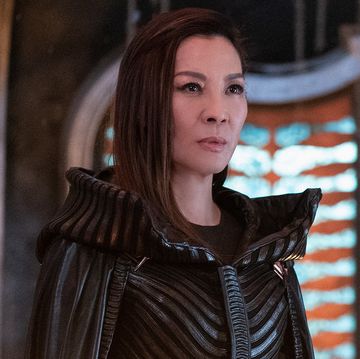
We liked it, and so did audiences – Star Trek: Discovery has been an instant hit.
And not just among people who are prepared to pay to watch it. Discovery has the fairly dubious honour of being one of the most-pirated TV shows since Game of Thrones. Which is a bit annoying, as both shows have per-episode budgets in the millions to earn back.
However, piracy and budgets aren't the only things Discovery shares with the popular fantasy show. We'd argue the showrunners have been paying close attention to the HBO hit.
WARNING: SPOILERS FOLLOW
1. Opening credits


One of the most under-appreciated ways Game of Thrones changed the TV game was its impact on credit sequences.
Post-Lost, opening credits went out of vogue, with shows just sticking up the title of the show you already knew you were watching and little else.
What to Read Next
Since Game of Thrones, telly shows have brought them back, commissioning lengthy and intricate animated sequences (think Westworld, or Daredevil, or basically any mainstream genre show of the last five years or so) with bombastic orchestral music behind it.
Discovery's opening sequence is a particularly interesting example – where Thrones had clockwork maps, Discovery has weird X-ray designs / plans.
Watch it below, and see if you can see the similarity.

2. The theme tune


Speaking of the music, and this might just be us, but Discovery's theme (a massively important element of any new Trek show) feels like The Next Generation theme reimagined by Ramin Djawadi (Thrones' music man).
And, like Thrones, Discovery has a sole composer (Jeff Rosso) tackling all the show's music, which is unusual for Star Trek. Discovery is the first of the six Trek TV series to have a single composer writing everything.
Alex Kurtzman, Discovery's exec producer, says: "Jeff has a modern sound that's also rooted in the classical film composers. We wanted to make Discovery a movie on television."
Hmmm, where have we heard that before?
3. Flawed heroes / complex villains


But it's not just the opening credits that have been influenced by Thrones. The plotting has taken a page or two out of George RR Martin's notebook, mainly in its approach to character.
Trek's main crew has traditionally been about as good as they come. They face moral dilemmas, but always choose the side of good.
Their best baddies have been unquestionably evil, whether it's the Borg, Klingons or Cardassians (sure, many of these groups had individuals who weren't as bad as the rest, but they were generally exceptions to prove the rule).
Modern TV doesn't work like that, especially Thrones, which can take Jaime Lannister from chucking a child out of a window to being one of the most loved characters on the show.
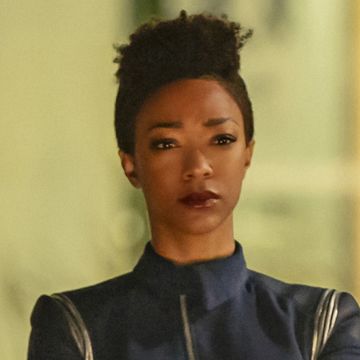
So, it probably shouldn't come as a surprise to see our new protagonist Michael Burnham (played by Sonequa Martin-Green) making potentially dodgy decisions that could move her closer towards villain status than any previous Starfleet Captain (we're not counting that time Picard was turned into a Borg).
As for the villains, well, it'll be a stretch to call them 'good' but they're already more layered than any previous incarnation of the characters.
Speaking of which....
4. House-based politics


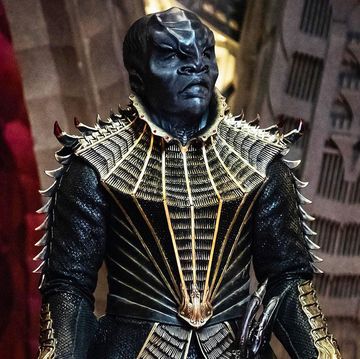
Game of Thrones' various factions are split into several noble houses – Stark, Lannister, Tully, you know the deal. As it turns out, so are the Klingons in this take on Trek.
"The Klingons are part of Star Trek lore that go all the way back to season one of the original series, but what we're doing is showing a side of the Klingons I don't think we've ever seen before," producer Ted Sullivan said. "We're exploring the four different houses that are in the Klingon Empire, so we'll be seeing different clothing, different rituals, to what we've seen before."
5. A season-long arc


One-off episodes are in Star Trek's blood. It's built into the premise of the show: the crew boldly go to strange new worlds, usually a new one each week.
Sure, they'd occasionally bust out a two-parter in extreme circumstances, but more often than not, it'd be a new adventure each week.
Not so for Discovery, which has a season-long arc for the first time since… well, Enterprise (but we don't talk about Enterprise).
This commitment to Game of Thrones-style long-form storytelling will be one of the biggest shocks for casual Trek watchers, who last saw the show when Professor X was in change – a time that individual episode arcs were very much the norm.
6. The sense that anyone can die at any time


Netflix

Put it this way: don't get too attached to anyone on Discovery.
If you do, don't say showrunner Gretchen J Berg didn't warn you.
"Game of Thrones changed television," Berg said. "They almost made it difficult to fall in love with people because you didn't know if they were going to be taken away from you. That show's had an influence on all TV dramas that have come after it."
HINT. HINT.
7. Use of subtitles
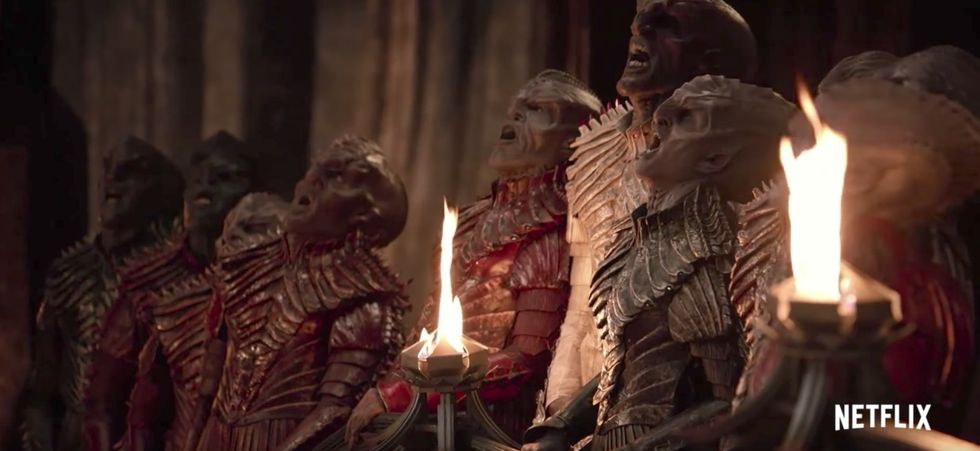

This might seem like a weird one, but Game of Thrones has brought TV subtitles into the mainstream. Once considered an element of the arthouse market that would never work for escapism-craving telly audiences, Thrones featured lengthy subtitled sequences, especially in the early seasons.
It's one of the aspects that gave the show a more 'realistic' feel, even if it did mostly involve the scenes where a dragon lady talked to her army of war-craving barbarians.
Of all the shows on TV, Trek should have a myriad of different languages (thanks to all the aliens), which they actually do – not that you get to hear them very often, thanks to the 'universal translator' which handily turns everything into English.
We're not saying that Trek's never used subtitling (in fact, you can learn several of Trek's alien languages should you so choose), but Discovery does it differently, throwing you in the deep end, confident that if you can follow your Khaleesi talking to Khal Drogo or his Dothraki hordes, you can keep up with Klingons talking to each other in their own language.
Oh, and they'll even let you watch the whole episode in Klingon, which is a nice touch.
Want up-to-the-minute entertainment news and features? Just hit 'Like' on our Digital Spy Facebook page and 'Follow' on our @digitalspy Twitter account and you're all set.
Freelancer writer
Sam is an entertainment writer with NCTJ accreditation and a twenty-year career as a film journalist.
Starting out as a staff writer at Total Film, moving up to Deputy Online Editor, Sam was responsible for Total Film’s YouTube channel, where he revolutionised the magazine’s approach to video junkets, creating influential formats that spread to other outlets.
He’s interviewed a wide range of film icons, including directors such as David Lynch, Quentin Tarantino, Paul Thomas Anderson, Sofia Coppola, Ridley Scott, Michael Bay and Sam Raimi, as well as actors such as Meryl Streep, Nic Cage, Brad Pitt, George Clooney, Anne Hathaway, Margot Robbie, Natalie Portman, Kermit the Frog, all of the Avengers and many more.
Sam has also interviewed several comic creators, including Stan Lee, Alan Moore, Grant Morrison, and he has a zombie cameo in The Walking Dead comic.
In 2014, Sam went freelance, working directly for film studios including Warner Brothers, 20th Century Fox and Disney, as well as covering red carpet events for film marketing company PMA Productions.
Sam is the co-host, producer and editor of the Arrow Video podcast, which has seen year-on-year growth since its creation in 2017, gaining over half a million listens in that time.
His byline has appeared in outlets such as Yahoo, MTV, Dazed, Esquire, Harper’s Bazaar, Cosmopolitan, Elle, and Good Housekeeping among others.
In 2012, Sam made it to the final of the Leicester Square Theatre New Comedian of the Year competition, and went on to become a filmmaker himself, directing three features that have all played major festivals, and secured distribution – starring in two of them.
Jim Carrey once mistook Sam for Johnny Cash, and John Carpenter told him to ‘Keep up the good work.’ He promises to try his best.