Ever since The West Wing aired its finale back in 2006, we've been waiting in vain for another show to come along and fill the President Bartlet-shaped hole in our hearts.
And as much as we love Scandal, House of Cards and a handful of other stellar White House-set dramas that have emerged, nothing has really come close.
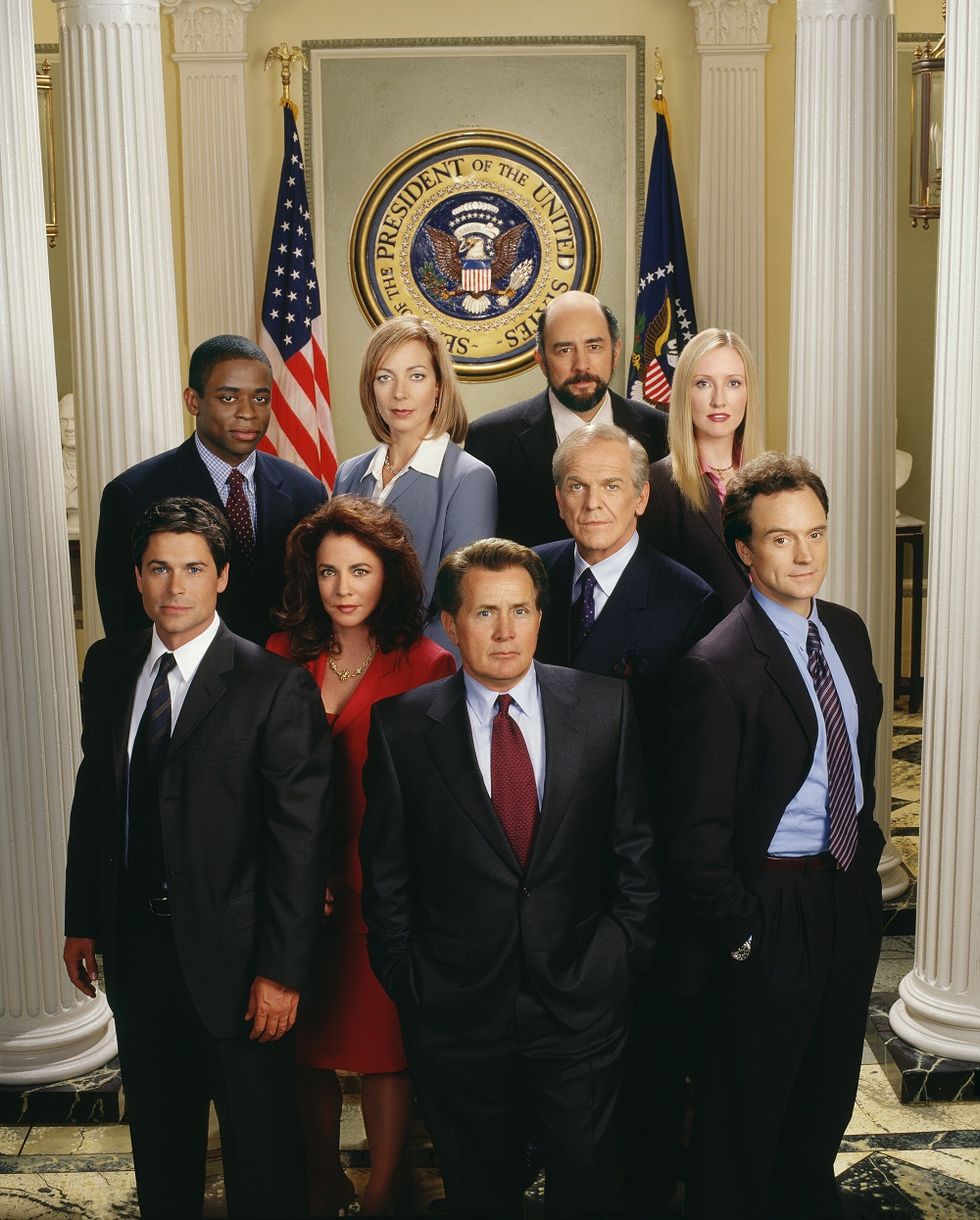

Aaron Sorkin's idealistic yet nuanced take on the politics behind the politics combined his characteristically razor-sharp dialogue with lovingly crafted characters and political insight.
Digital Spy has partnered with Sky - which offers the full Box Set of The West Wing - to pick 5 reasons we loved the Emmy-winning series.
1. The characters


A dramatic series exploring the minutiae of US politics could have so easily been dry, dull and worthy, but The West Wing was anything but - and that's chiefly down to the vivid characters created by Sorkin.
What to Read Next
As former White House aide Matthew Miller noted in 2006, Sorkin "captivates viewers by making the human side of politics more real than life - or at least more real than the picture we get from the news" - The West Wing put not just a single sympathetic face on US government, but a whole roster.
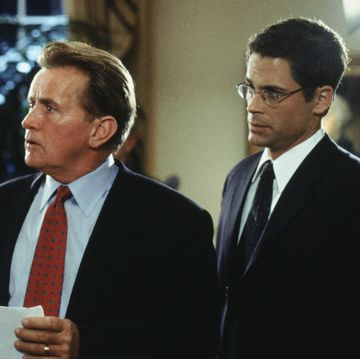
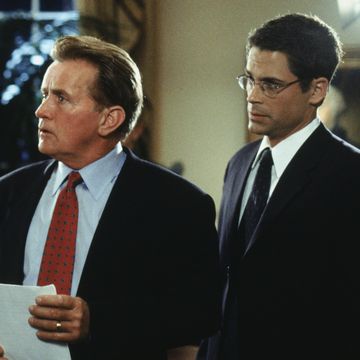
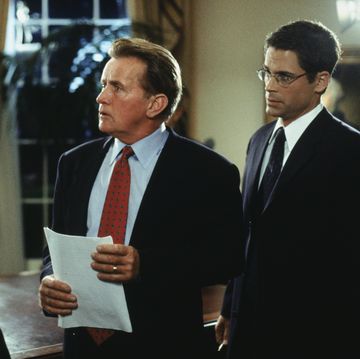
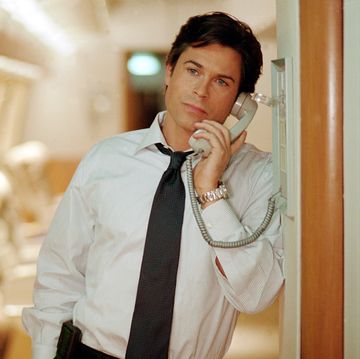
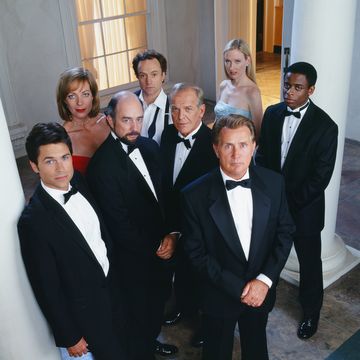
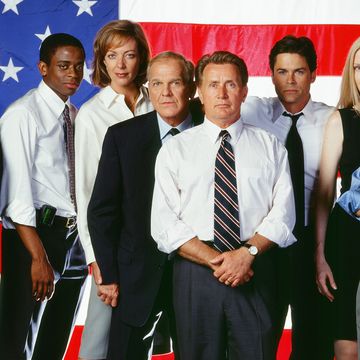
It's almost impossible to pick a favourite - Rob Lowe's spirited Sam Seaborn, Allison Janney's bold CJ Cregg, Richard Schiff's surly Toby Ziegler, Martin Sheen's impossibly noble President - because The West Wing boasts one of the most charismatic collections of characters, brought to life by one of the best ensemble casts, that US television has ever seen.
2. The relationships


A refreshing antidote to the typical brand of political drama - where bitching and back-stabbing is rife - The West Wing not only featured a terrific cast, but presented relationships between the central characters that felt genuine and warm.
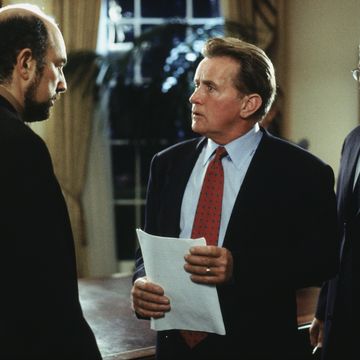
Bartlet's unassailable bond with Chief of Staff Leo (the late John Spencer), Leo's father/son mentorship of his protégé Josh Lyman (Bradley Whitford), Josh's will-they-won't-they banter with his senior assistant Donna (Janel Moloney) - the list goes on.
It was these relationships that made The West Wing such a compelling watch, whether or not you had a working knowledge of the US political system.
3. The dialogue


Aaron Sorkin has always had a knack for witty repartee - see his earlier works, 1992's A Few Good Men and 1995's The American President, for evidence of that - but it was on ABC's Sports Night (1998-2000) that he truly began to craft his vibrant, verbose style of dialogue.
Everyone wishes they could talk like a character on The West Wing - their rhythmic back-and-forth could be mistaken for fluffy banter were it not also so damn intellectual. Each character's diction is snappy and smart - a perfection encapsulation of the show as a whole.
4. The walk-and-talks


Another Aaron Sorkin staple - the notion of the Walk and Talk was, if not originated, then certainly popularised by The West Wing and Sorkin's frequent collaborator, director Thomas Schlamme.
Having the White House staffers dashing from place to place, constantly on the move, lent an energy and sense of urgency to even the most expository of scenes.
It's a trope that Sorkin was happy to parody, making a self-referential 'Walk and Talk' cameo in a 2011 episode of the comedy 30 Rock.
5. It gave us hope


1999-2006 was a difficult time for US politics, with America's confidence in its leaders at a low - The West Wing launched in the aftermath of the Lewinsky scandal and continued into George W Bush's controversial Presidency.
Though it rarely touched on real-world events - bar the divisive non-canon episode 'Isaac and Ishmael', aired in the aftermath of 9/11 - The West Wing brought us all hope, optimism and a vision of a better world - with a government run by smart, capable folk who cared.
As with all Sky Box Sets, The West Wing is available on demand to watch whenever you want if you are a Family Bundle customer.