One of the problems we are facing when testing out smartphones and tablets of late is that manufacturers really are running out of things they can add to them.
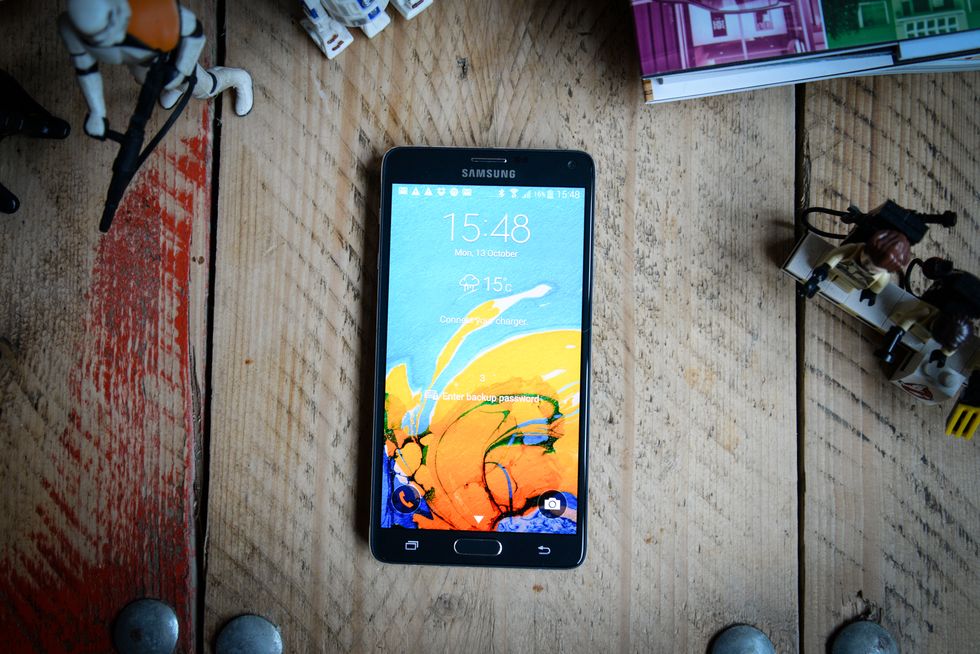
The features set on any top-end device right now feels almost complete, and only handsets like the Galaxy Note 4 have convinced us that experimentation can still result in something fresh.
Read: Galaxy Note 4 review
It has left us feeling a little jaded about the direction that technology is taking. Qualcomm, however, thought it could convince us otherwise, so invited us to take a look at what will be coming to mobile in the future.
LTE Broadcast
This isn't the first time LTE Broadcast has been covered on Digital Spy, but it's such an important technology we figured mentioning it again was a good idea.
What to Read Next
As smartphones have become more ubiquitous, more and more people are looking for larger amounts of data. The problem is, even with high-speed 4G, networks will eventually get overloaded.


So part of the future of smartphone technology is about taking some of the load off the network and keeping user experience speedy. This is where LTE Broadcast comes in.
Using the existing LTE spectrum, networks are able to push live TV out through broadcast cells. Users can then tune into this via LTE and enjoy a buffering-free, ultra-crisp viewing experience.

The key to LTE Broadcast is that no matter how many people tune into one of the broadcasts, it'll always deliver the same signal quality and won't overload the network.
This means live sporting events, say a football match, could see every single supporter in the crowd tuning into commentary or highlights over their smartphones.
In the long term though, LTE Broadcast is basically the future of mobile TV. It's what will come to define viewing television on a device while out and about and should deliver the biggest shake-up to the broadcast industry since catch-up TV.
Broadcasters like Sky will have to look at the likes of Sky Go in a completely different way, while mobile networks could potentially start providing TV subscriptions as part of their contracts.
WiGig
Wi-Fi, the perpetual annoyance of just about all things technology-related, could finally be getting the overhaul it needs. Called WiGig, or 802.11ad, a new standard for Wi-Fi is finally set to be introduced to consumer devices.
Qualcomm's 810 generation chipset, which is due to make its way into smartphones and tablets next year, will support WiGig and should bring with it a drastic change to what Wi-Fi can do for us.

The new system can support up to 4GB per second of data transfer, which basically lifts the lid off any restrictions previously put on Wi-Fi around data. Obviously no-one has a home broadband connection that fast, but WiGig is about much more than that.
You see, by having such a huge amount of data transferrable, it's possible to stream 4K video straight from your smartphone to any device over a WiGig connection. Alternatively you can send ultra high quality audio. It means a revolution for home entertainment, where before data had prevented properly high quality sound and video being sent.
All that bandwidth also does away with interference in the home so smart home technology will benefit drastically from WiGig's setup.
4K on mobile
A combination of WiGig and LTE Broadcast means that the door is well and truly opened for 4K on smartphones. Right now, devices like the Note 4 and LG G3 are running close to that standard of display, but it's not long before smartphone and tablet screen resolution overtakes television.


The knock-on effect of this is that more and more 4K footage will trickle back down into the home, hopefully resulting in bigger 4K TV sales and much better support from broadcasters.
With the likes of LTE Broadcast on the horizon, it will be vital that traditional content suppliers like Sky adapt their services around 4K on mobile.


