Earlier today the BBC surprised everyone by announcing the Micro Bit, a micro-computer aimed at teaching people how to code.
We had a chance to go hands-on with the little device to understand how the company plan to roll it out and what they hope to achieve.
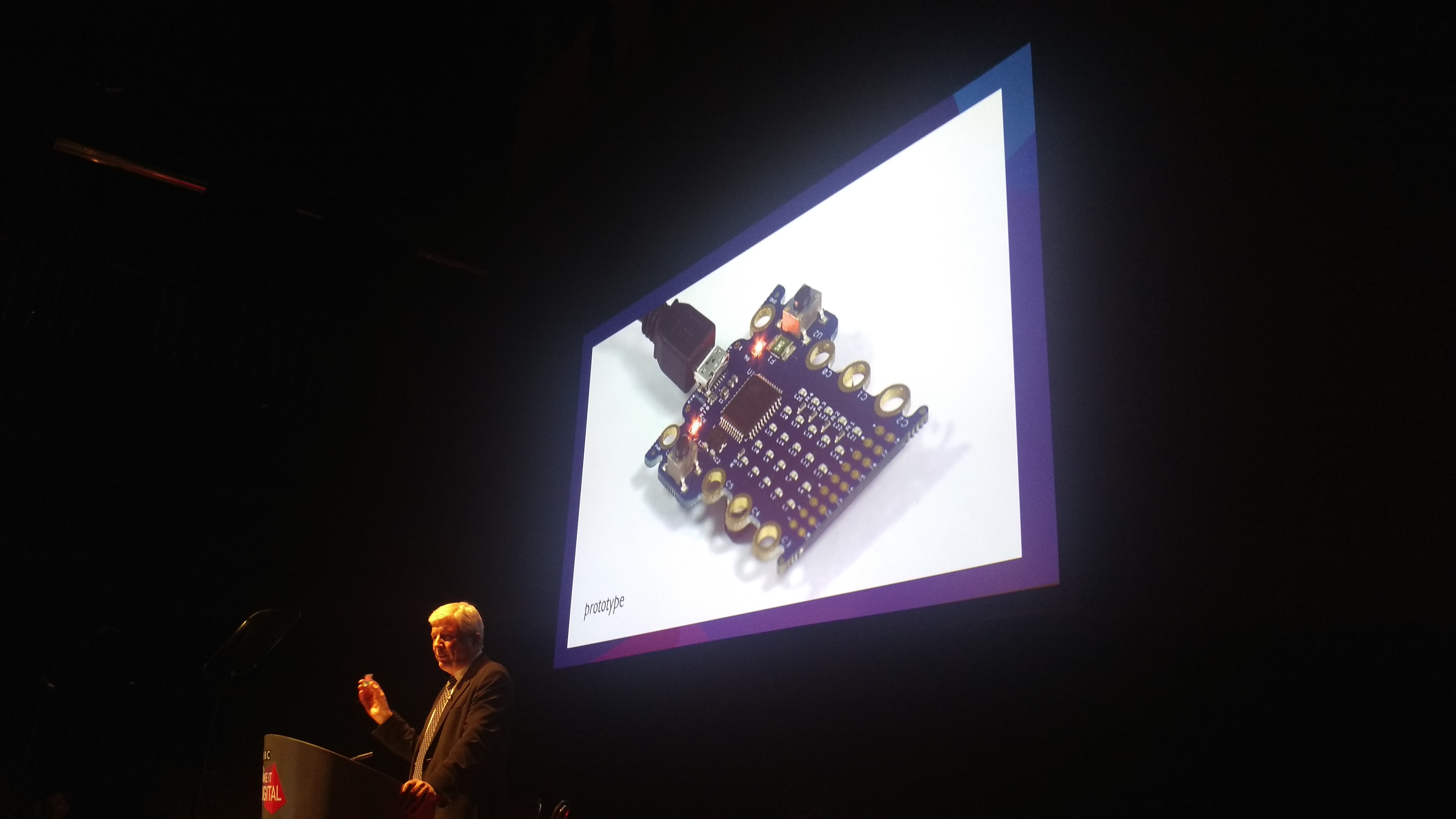
The device is a single-board computer, similar to the Raspberry Pi, and it's still strictly in the prototype phase (so expect the looks, and specifications to change in the final version).
Fiona Iglesias, project manager at the BBC, told Digital Spy that the device will feature two low-powered ARM chips, and two sensors (an accelerometer and a magnetometer).
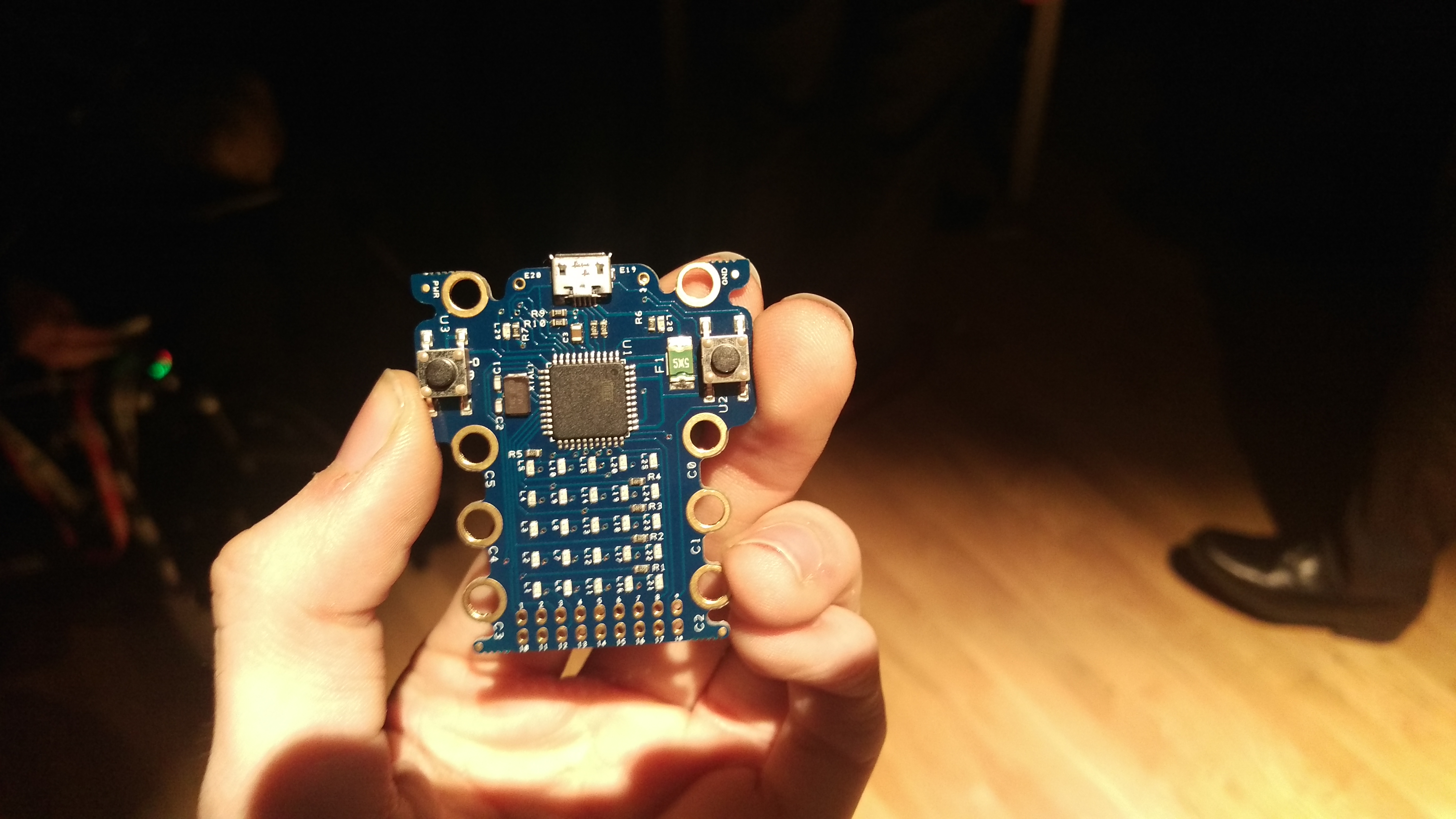
The Micro Bit can be controlled by two on-board buttons, it houses 25 LEDs (used for images and scrolling text) and several digital and analogue I/Os.
Interestingly (although not in the prototype), the final version will feature low-energy Bluetooth 4.0 which allows it to pair with smartphones and other 'Internet of Things' devices. Samsung, who are partnering with the BBC, will be developing an API which enables the device to communicate with Android smartphones.
What to Read Next
To begin programming on the device it needs to be connected to a computer using a MicroUSB. Accessing the BBC's website will allow you to begin writing code in editors which start from the basic drag-and-drop boxes, and range to Javascript, Python and C.
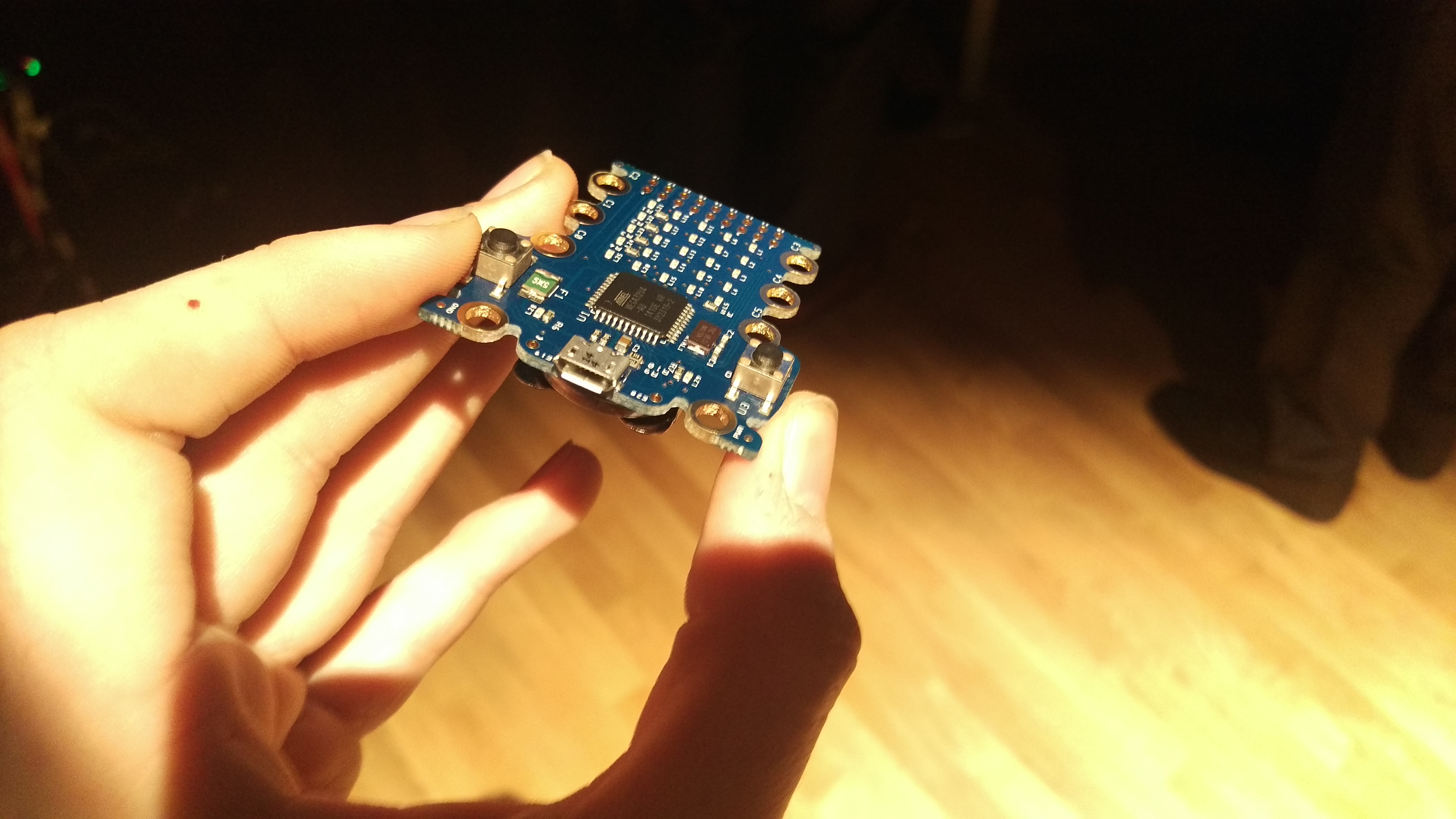
At the moment the device is powered by a button cell, but once again, this could change in the final product.
Children in Year 7 (aged 11) will be given the Micro Bit for free and the BBC plan to begin the roll out in autumn this year.
The purpose of the device is to empower and inspire young people to learn to code -- an important skill that many believe will be the key to employment in the coming years. The prototrype device has already been trialled in 14 schools, where the children developed innovative games and uses for the micro PC.
This isn't the BBC's first attempt either - In December 1981 the Beeb announced that every classroom in the country would receive a BBC Micro (pictured below).
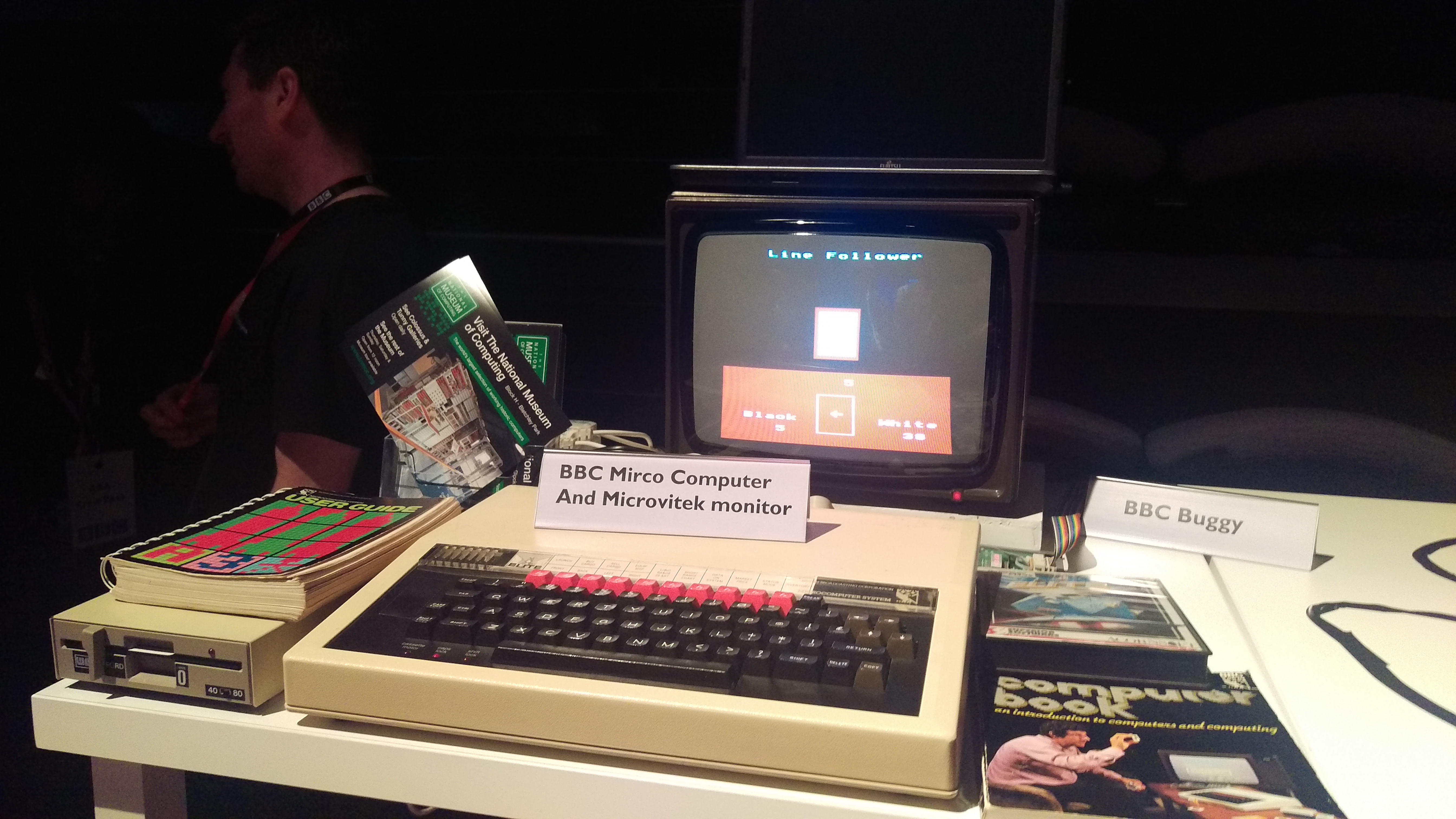
The comparative size of this machine nicely illustrates how quickly technology has developed in just 31 years.


