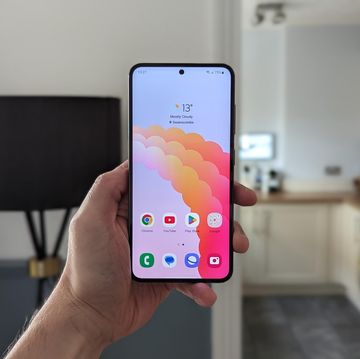
You can probably start a running tally of the number of times that the word "repairable" crops up in this review. It's going to be a lot. And that shouldn't come as a surprise. Repairability is the main selling point of the Fairphone 5, and it's the key feature that sets it apart from a sea of copycat mid-range Android phones.
But, it should also go without saying that because I haven't broken the phone after a month of use, I haven't needed to repair my review unit and I can't travel into the future and check if the five-year warranty and claim of continued software support up until at least 2031 turn out to be true. Much like Google's assertions of increased update support and improved fixability of the Pixel 8 and Pixel 8 Pro, some of this is theoretical.
There are good reasons to believe Fairphone, though. The company is detailed and transparent about how it sources its materials, and it doesn't take long to find satisfied users of previous Fairphones. Also, device repair evangelists iFixit awarded the Fairphone 5 a perfect 10/10, which is a big deal.
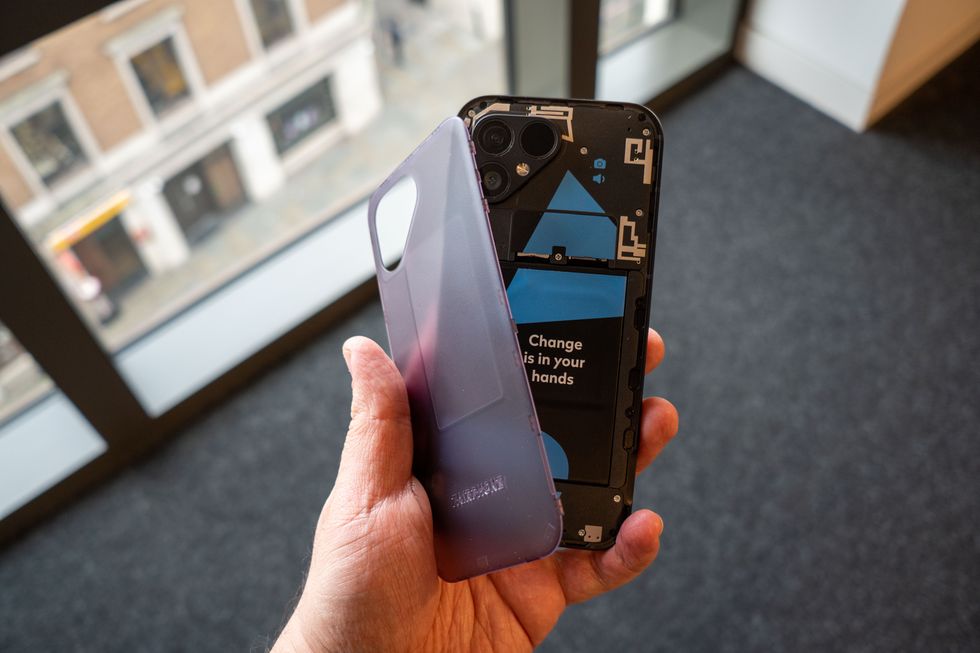
When it comes to mending, iFixit says removing and reattaching modules for the cameras, display and USB-C port is intuitive and straightforward, and I find it easy to snap off the back panel to access the replaceable battery, expandable storage via microSD card, and the SIM slot. Remember your old Nokia? Same process.
I'm always cautious about calling anything "sustainable", but it's clear Fairphone is working harder than its rivals in this area. If you're all in on the company's mission and what the product stands for, the question then becomes how good of a phone is this?
Thankfully, the specs aren't shabby. Here, you're getting a big FHD+ display, 5G speeds, 256GB of storage (plus, as mentioned, it's expandable), a 50-megapixel selfie camera and dual 50-megapixel rear cameras, a solid 4200mAh battery, and Android 13 without annoying bloatware. Sounds ideal.
What to Read Next

Fairphone 5 specs
- Screen size: 6.46 inches
- Resolution: 2,700 x 1,224-pixel FHD OLED (up to 90Hz)
- Operating system: Android 13
- Processor: Qualcomm QCM6490 Octa Core Processor
- Cameras: 50MP wide, 50MP ultra-wide, 50MP selfie
- Battery: 4200mAh
- Storage: 256GB
- RAM: 8GB
- Weight: 212g
- Water resistance: IP55
- MicroSD slot: Yes

Pros
- Made for repairs
- Big display improvement
- Solid battery life

Cons
- Average cameras
- Not waterproof
- Fairly expensive

Fairphone 5 vs Fairphone 4: What's new?
Unlike almost every other tech company, Fairphone doesn't release a new phone every year. The previous iteration, the Fairphone 4, came out in late 2021. In the time between its release and the launch of the 5, Fairphone has brought in a fair few improvements, but it's worth saying that most of the specs of the Fairphone 4 still look good by today's standards. It's a solid phone – I have a friend who swears by his. Unsurprisingly, I don't think it's a phone that you should rush to replace given how repairable it is.
In direct comparison, though, the Fairphone 5 has a better screen (now bigger, OLED and higher-res compared to the 2,340 x 1,080-pixel LCD on the 4), which delivers a smoother 90Hz refresh rate, and the Fairphone 5 has far longer support for both Android and security updates.
It has a larger battery (the Fairphone 4's is 3,905mAh) that'll charge faster (30W vs 20W) along with a better IP certification and upgraded chipset. The Fairphone 4 still offers 5G, 48MP dual cameras and the modular design, all for a lower price starting from £430. Still worth it, in my view. And if you own one already, it'll still be a reliable phone for a good while.

Fairphone 5 design
Here comes the buzzword again. When you're looking at the design of the Fairphone 5, it's clear that repairability is at the heart of the decisions made for the look of the phone too.
It's simple, the buttons are right where they should be, and it comes in three colours: a matte black, a sky blue and a transparent option that makes it a decent competitor to the distinctive Nothing Phone (2) or Phone (2a). The 6.46-inch size is typical of phones nowadays – it's big and hard to use one-handed, but there's also loads of space on that high-res screen.
My review unit has a transparent back panel, and I've got no complaints about the appearance of it. It's not necessarily a look that's made to be eye-catching or unique, but one that feels functional and purposeful.
After experiencing too many iPhones and Pixels sliding off the desk when they don't have a case on them, some of the best praise I can offer is that this is useable without a cover on it. It feels sturdy and smart in the hand, but it also won't have that premium or expensive feeling if you're used to, say, a Pro iPhone. Does that matter? Probably not as much as marketers think it does.

Fairphone 5 camera
The Fairphone story is all about compromise. Essentially, are you willing to make a sacrifice in a particular area to have a phone that lasts longer and that you can fix at home?
The camera is no different. Much like just about every smartphone available these days, it's a decent performer in good lighting. When you give these sensors loads of light, they're going to deliver pleasing colours and detail, albeit with a bit more softness than you’d expect. The consistency between the wide and ultra-wide is reasonable, too.
Things start to get a lot more iffy in high-contrast situations or low-light, and that's where I'd start to struggle to recommend this for smartphone snappers. The results are passable, but it has a habit of oversaturating images and you're going to find that you get much better shots from most other handsets not only at this price but also from much more affordable models. The Google Pixel 7a is the best budget smartphone camera around: it'll cost you £449, much less than the Fairphone 5.
It's also worth saying that while there's optical image stabilisation on board here, I quickly noticed that you need to hold this camera very still in anything other than ideal light. Shake even a little and you'll get out-of-focus or blurry results. In general, the photos from this phone are average and can be a letdown if you need to zoom into them. The video clips I've shot seem okay too, but a main area of disappointment is the front-facing camera, where selfies seem overly processed and smoothed in a way that I'd rather they weren't.
I know we can be more critical of smartphone cameras as tech reviewers, though, so I'm including a gallery of completely unedited shots straight from the camera here, to show how it performs and help you decide if it'll be good enough for your needs.
Fairphone 5 sample photos

Fairphone 5 battery life and performance
Without getting lost in the weeds and listing all the specs, what I can say is that the Fairphone 5 performs well with every task we've thrown at it over the last month. This is true of most phones in 2024, but what makes the Fairphone different is that it uses a Qualcomm QCM6490 chipset designed for commercial and industrial applications rather than phones and consumer devices.
Don't worry about the jargon, essentially Fairphone says this "unique chipset" will ensure it can deliver "long-lasting support" and that it's committed to eight years of updates and software support. That promise should get you five operating system upgrades after Android 13. However, the phone hasn't yet got an update to Android 14, which came out for Pixel devices in October 2023.
In use, I haven't noticed any major issues with the speed or performance, but we think it's worth noting that other rival handsets at the flagship tier will outclass this. The Fairphone is positioned as more of a mid-range phone with a higher price, and you're paying to get a much longer life out of the device. Whether you're okay with this will depend on how much repairability and support matter to you in comparison to having the newest AI-driven features you're going to find on a Google and Samsung.
When it comes to the battery, it's solid and won't disappoint. You'll easily get a full day of use out of the smartphone. It's fast to charge and, ultimately, all batteries age over time and this one's going to be far easier to replace in several years when you may need a refresh. A new battery will cost you around £40 and you can do the installation all yourself without much trouble. You're not going to be having the same experience with other manufacturers.
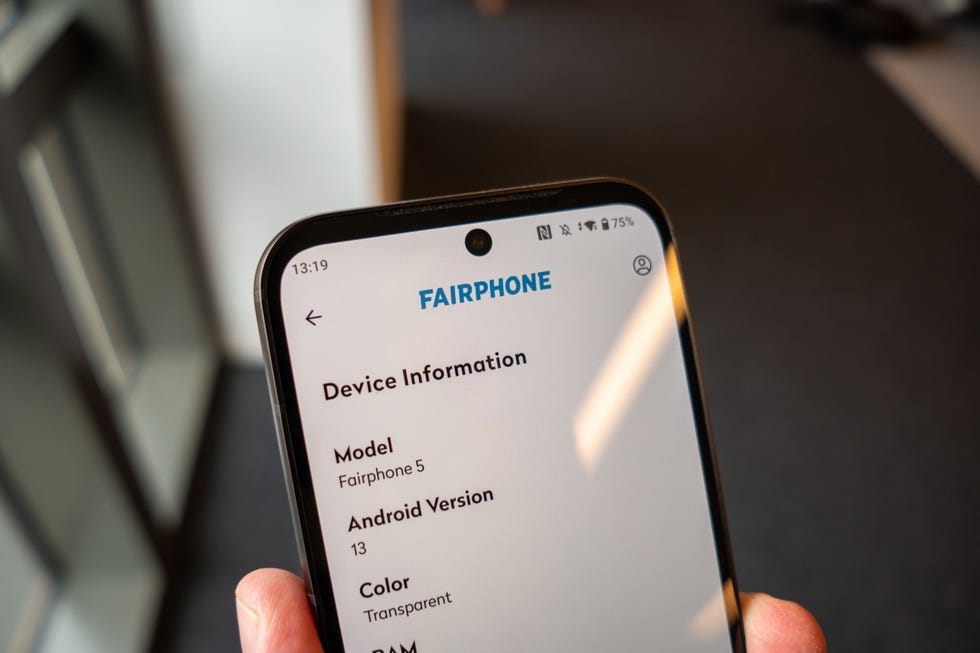
Fairphone 5 display
This is where you're seeing the biggest upgrade from the Fairphone 4 (which has an LCD), and the display on offer here is a competitive OLED panel compared to other Android smartphones right now. In my comparisons, this feels like a smooth and vibrant screen. Haven't used an OLED phone before? The main difference to expect is brighter and crisper colours, along with deeper blacks.
It's also big enough and sharp enough to be an ideal option if you watch a lot of films and shows from streaming services on your handset, and it works well for blowing up your photos at full size. The colour settings are a bit too vivid by default, but it's easy to make this feel much more comfortable by changing the colour mode and temperature to the "natural" option.
The screen performance measures up well against rivals from Google and Samsung, delivering competitive pixel density and resolution. Where the Fairphone lags, though, is in its refresh rate (its maximum is 90Hz, while other flagships now go up to 120Hz), the bigger black edges around the display and lower peak brightness. These may end up being minor issues, though, depending on what your priorities are.
Fairphone 5 drawbacks
The Fairphone 5 isn't without its tradeoffs. Most of these boil down to how it offers mid-range specs at a higher-than-expected price. You're paying for long-term support and repairability, but you'll be missing out on some of the latest Android advancements that you’d be getting from Google or Samsung.
You won't have any wireless charging, its camera performance is middling, its less "premium-feeling" fixable design means it doesn't have reliable waterproofing and its battery is outclassed by other rivals at the same body size.
Buying into Fairphone is a matter of priorities – if the philosophy of the product and company matters more to you than these minor downsides, then it won't be a big issue. There is one omission I do find a little disappointing, though. Wired earbuds and headphones are the obvious long-lasting option compared to wireless earbuds with batteries that will eventually wither and die. So, why doesn't the Fairphone 5 have a headphone jack? It's an area where I don't need that Apple-inspired "courage", to be honest, but at least USB-C to 3.5mm dongles work without issue and don’t cost much.

Fairphone 5 verdict
The Fairphone 5 stands out within the smartphone landscape for doing something different and committing to it. It's the phone that most embodies the ethos of the "right to repair" movement and it comes with some big promises around software and security update support. It's conceivable that you could buy one and stick with it for a long time. In practical use, this should go for many more years than most other phones on the market.
We all end up feeling like most phones are "too old" when the battery capacity depletes. With the Fairphone, that's an affordable fix that you can do yourself without sending your handset off to the manufacturer. This example alone shows how Fairphone sells a compelling idea, and I reckon this kind of repairability is exactly what other smartphones will have to strive to deliver over time.
Buying a Fairphone 5 may require some rebalancing of your priorities, though. At £619, you're paying more than you would for other mid-range phones for the same specs. It's not as premium, water-resistant or capable of as much in the camera, battery and performance departments. However, it's still a reliable Android that feels solid and should last. Its display is great, it's fast enough, its cameras are good enough for most shots and videos, and you get tons of storage.
Who's the Fairphone 5 for? I reckon it's the ideal handset if you view your phone as a handy tool and you don't go gaga when viewing the latest advertising for the iPhone or Pixel.
Would you rather hold onto your phone than have to go through the stress of buying a new one that you'll then need to go through the rigmarole of moving all your apps and settings to? I get it. The Fairphone is made to stick around and repair rather than replace. I think that's a big deal and something that's simultaneously old-school and radical.
Pros
- Made for repairs
- Big display improvement
- Solid battery life
Cons
- Average cameras
- Not waterproof
- Fairly expensive