Comparing the Google Pixel 7 and the Pixel 7a is a lot like a game of Spot the Difference in which there are barely any differences.
In the past, Google has held back a few key features from its more affordable model, including reserving the highest camera specs, display tech and wireless charging for the main smartphone. That's all over.
The Pixel 7a has the same Tensor G2 chip for improved performance, sensational cameras, a crisp 6.1-inch (and variable 90Hz refresh rate) OLED panel, wireless charging, and 24-hour battery life. At its £449 starting price, this is the new best-value Android out there. To be honest, it makes it that much harder to explain why you need to spend the extra £150 on the Pixel 7.
What to Read Next
After seven days of intense testing and using it on-and-off since, I can confirm that the Pixel 7a is the real deal. Too many of the handsets launched over the past year, including the Samsung S23 and iPhone 14 lineup, feature relatively minor upgrades that make them hard to recommend when their predecessors are still available and more affordable.
With the Pixel 7a, though, it's easy to point to several obvious upgrades. The evident camera advancements, the improved display, the newer processor, and the addition of wireless charging make this a straightforward recommendation.
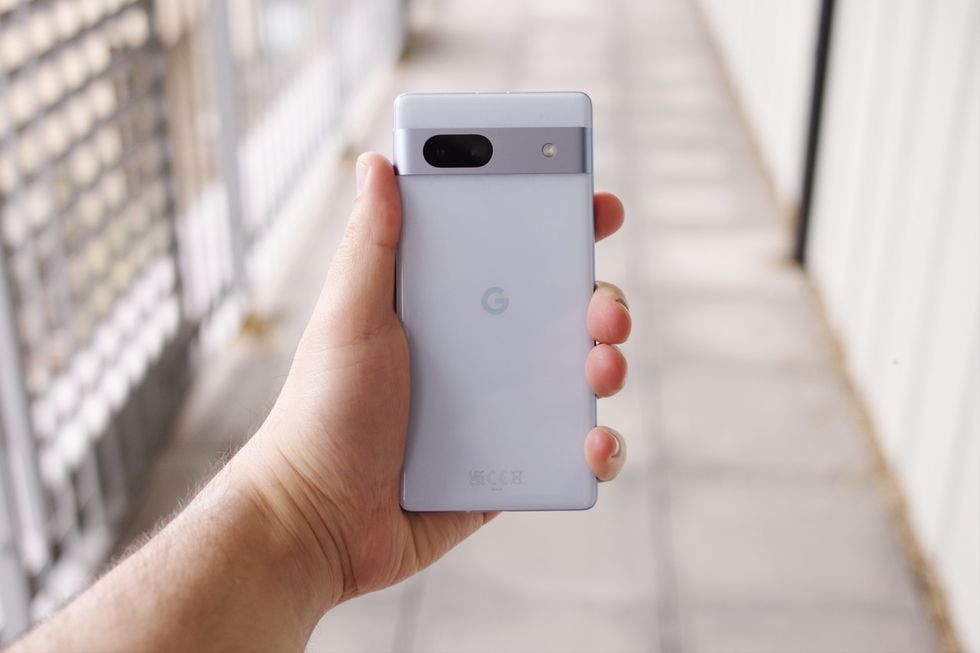
Google Pixel 7a key specs
- Screen size: 6.1 inches
- Resolution: 2,400 x 1,080-pixel FHD OLED (60/90Hz)
- Operating system: Android 13
- Processor: Google Tensor G2
- Cameras: 64MP wide, 13MP ultra-wide, 13MP selfie
- Battery: 4385mAh
- Storage: 128GB
- RAM: 8GB
- Weight: 193g
- Water resistance: IP67
- MicroSD slot: No
Pros
- Sleek and slim design
- Fantastic cameras
- Terrific value for money

Cons
- Slippery in the hand
- Slight price increase
- Power users will want more battery

Google Pixel 7a vs Pixel 6a: What’s new?
The Google Pixel 7a may look extremely similar to its predecessor, but there are a handful of upgrades in the 2023 handset. One of the big changes is that the Pixel 7a now has a 2nd-generation Google Tensor processor for smoother and more efficient performance, and the latest handset's main camera lens is now 64MP instead of 12.2MP.
You now get face unlocking on the Pixel 7a, which isn't available on the 6a, and likewise the newer model now comes with 7.5W wireless charging. The camera bump on the 7a is now metallic instead of glass, plus it has a 90Hz refresh rate instead of 60Hz on the previous model.
Google Pixel 7a design
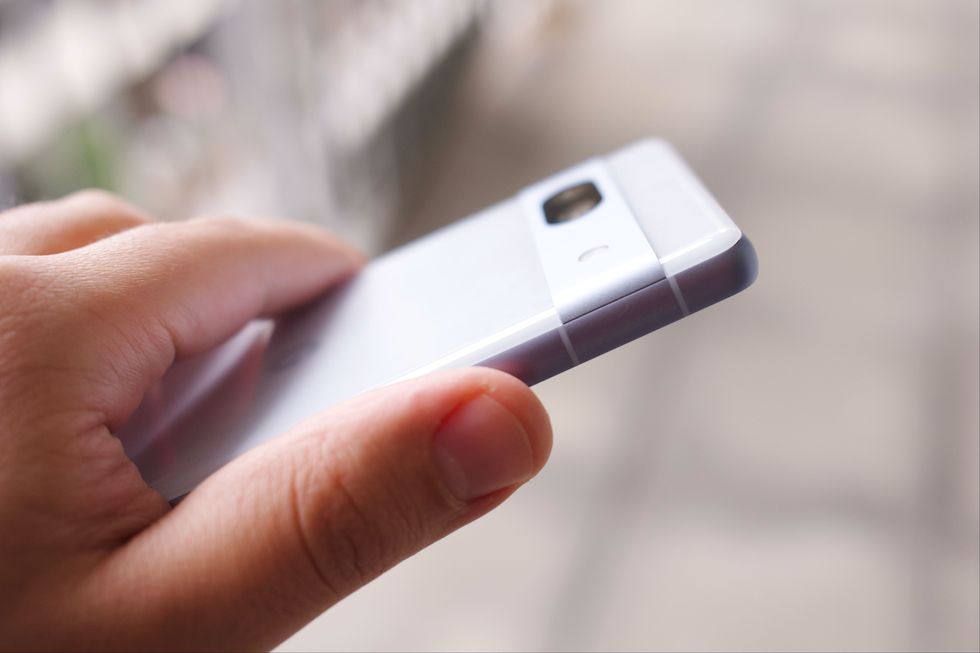
In a world where all phones look a bit 'samey', I like that you can always tell when someone's using a Pixel handset. Google hasn't set out to reinvent this approach, and you'll find that the Pixel 7a looks a lot like its predecessor, the Pixel 6a. It feels durable and solid, with a metal camera bar and scratch-resistant "Gorilla Glass" on the display.
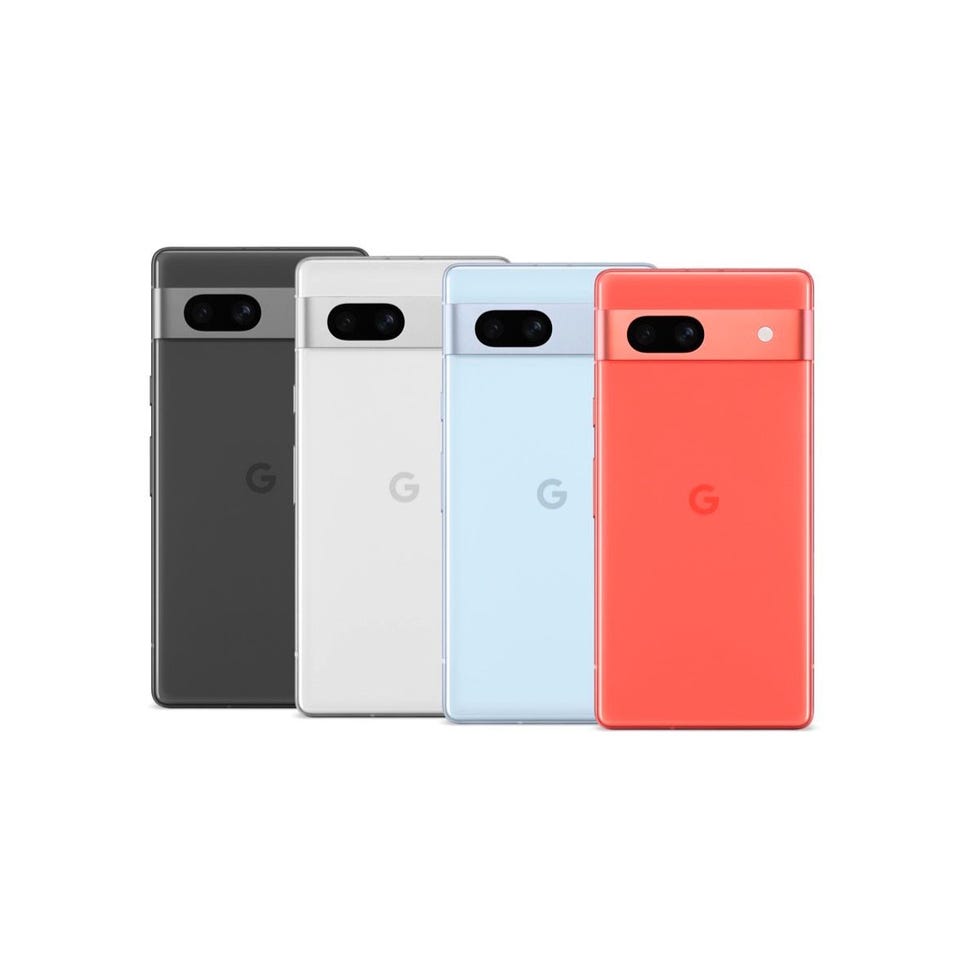
It comes in a range of colours: Charcoal, Sea (a pale blue – the colour of our test model), Snow (white) and Coral (that last one is a Google Store exclusive). I like these shades, and they feel colourful, futuristic and subtle, without ever looking garish or cheap. Like other Pixels dating back to the Pixel 6, I still think it's a bit of a slippery form factor and I recommend pairing it with a case that has a bit of grip to it.
Google Pixel 7a camera
Surprise surprise, here's what impressed me most. Yes, you'd expect to be happy with any photography-focused Pixel, but I am still struck by just how capable the 7a is as a camera. That's true whether I'm testing it in bright light, portrait mode, ultra-wide, low light or with the upgraded selfie camera. Specs-wise, you're getting a 64MP main sensor, a 13MP ultra-wide and a 13MP front-facing camera, which is more than enough versatility for most of us.
The one word I'd use to describe the cameras on the Pixel 7a is consistent. I found it easy to get impressive results with a uniform colour treatment in a wide variety of scenarios. Whether taking casual snapshots, selfies or dramatic ultra-wide photos, every image I framed up came out looking crisp, vibrant and balanced. This handset delivers photos that require no editing before you send them in a message or post them to your Instagram story.
This is in contrast to shots from an iPhone, even my daily driver iPhone 14 Pro. Don't get me wrong, it's capable of incredible results but often only under the right conditions, when shooting in raw, and with some editing afterwards. And, even then, Apple's aggressive post-processing can go a little too far.
This isn't an issue on the Pixel 7a – I was able to snap away without feeling like our stills needed any tweaking afterwards. It renders skin tones in a realistic way and doesn't have too much overzealous "smart" enhancement, allowing photos to look dark or contrasty where appropriate. I was particularly impressed with some of the low-light shots I got and found the depth of the portrait mode cutout excellent, not only around people but also on inanimate objects.
Google Pixel 7a sample photos

Google Pixel 7a battery life and performance
The listed battery spec is comparable to the Pixel 6a – you'll be getting about a day of use between charges – although Google claims that it lasts longer than its predecessor in total, largely thanks to the extra efficiency enabled by the Tensor G2 chip for that. A day of heavy use (such as loads of streaming videos, transferring files and longer game sessions) may require an evening top-up, though.
In my testing, it had no trouble making it through a day of normal use, including scrolling through social media, watching a few YouTube videos and TikToks, messaging and snapping pictures with the cameras. If you've got concerns about the longevity of the 4385mAh, I recommend keeping a power bank in your bag.
Where there's an obvious charging upgrade is the addition of wireless charging. This means you can pop it on any compatible charging pad or stand, and it can refuel at 7.5W speeds – this isn't that fast, but it's a steady trickle charge that most iPhone users will be used to as a maximum speed. If you're wirelessly charging overnight or during a day at your desk while working from home, it’s enough.
If you want much faster recharging, go for the Pixel 7 or 7 Pro. These support up to 20W over wireless chargers and more than 20W wired charging rates. In comparison, the Pixel 7a still has a maximum of 18W for wired charging – we think that's more than most people need, especially if you’re coming from old USB-A cables.
Google's upgraded Tensor G2 chip in this body is fast and reliable, enabling better efficiency and longer battery life, and delivering faster low-light photo capture, and machine-learning editing features like "Photo Unblur" to rescue your shots or fix old blurry snaps in your library.
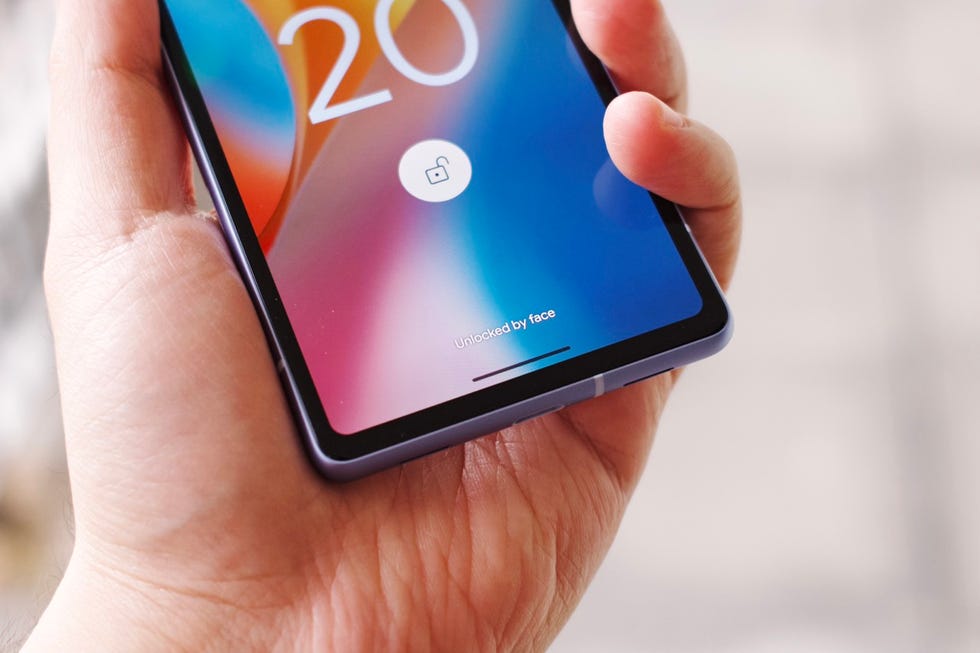
The unblur feature isn't magic, and can't mend a photo where you have completely missed focus, but it does a surprisingly good job. Another welcome performance upgrade is that the 7a now has face unlock in addition to its reliable in-display fingerprint reader, and both work well. I tested the face unlock with and without my glasses on, and it worked instantly every time.
Google Pixel 7a display
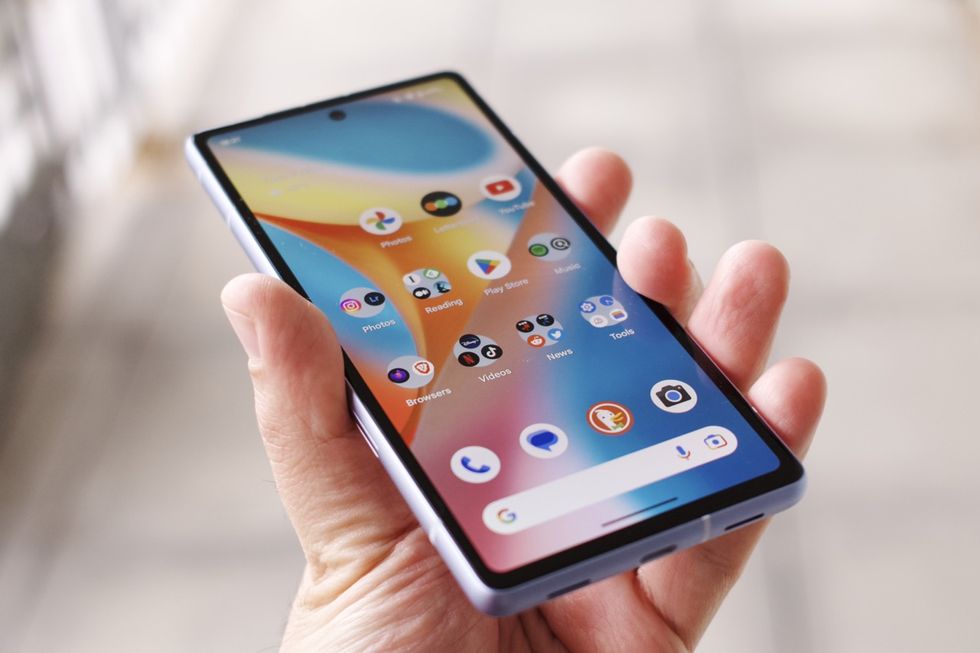
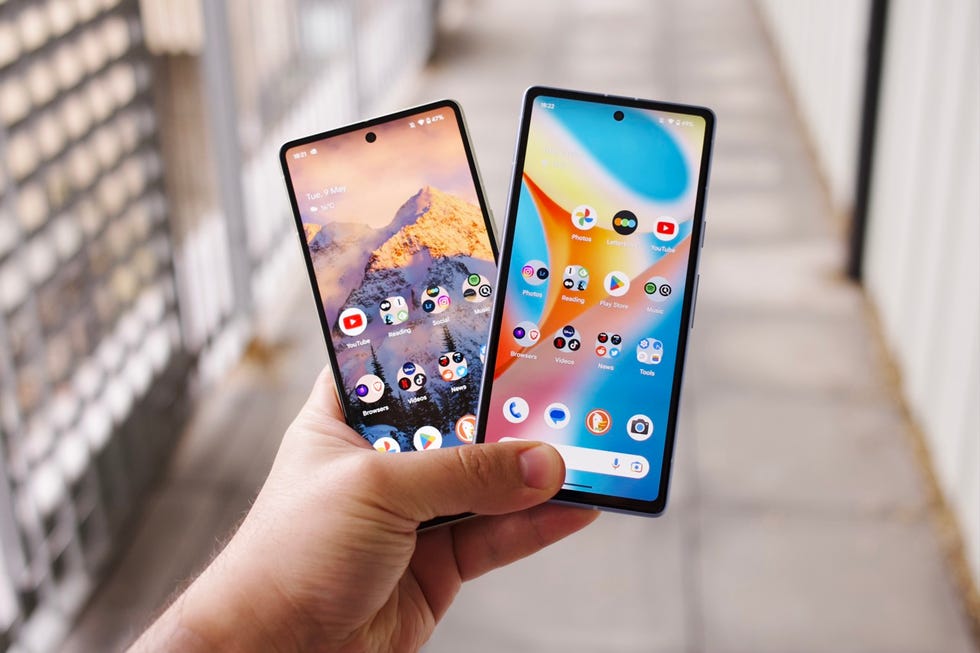
The OLED panel on the Pixel 7a doesn't deliver a massive change when compared to the Pixel 6a, but it does have one key upgrade in a 90Hz refresh rate option available in its settings. This means it now matches the refresh rates available on the Pixel 7, and it ends the run of Pixel A phones being stuck with 60Hz. While this is off by default, turning it on does make things feel a bit smoother and, for those who have experienced a high refresh-rate screen, this is a worthwhile upgrade.
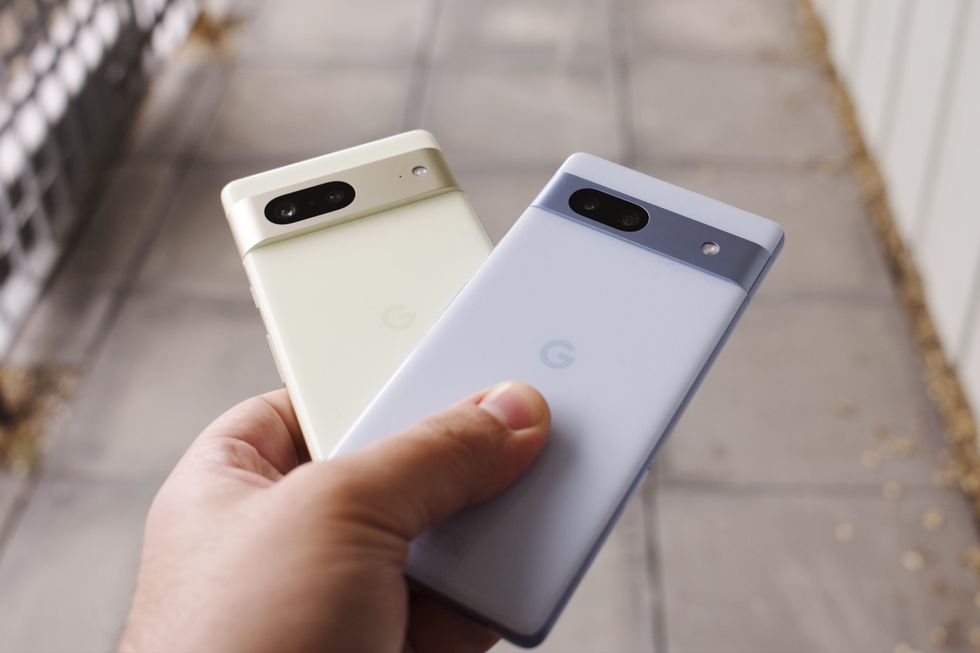
Beyond this, and other than the 7a's more noticeable black border, I haven't seen a massive difference between the screen on this and the Pixel 7 (on the left in the image below). They both get very bright in outdoor lighting, with loads of crisp detail and vibrancy, and we doubt anyone will have any serious issues with this aspect of the phone.
Google Pixel 7a drawbacks
I've got to be honest, there aren't that many downsides to the Pixel 7a, especially at this price. Of course, there are a few things we wish all phone manufacturers would add, like a return of the headphone jack for wired earbuds or a memory card slot for expandable storage, but I never had a realistic expectation that these would be on this handset.
There are a few aesthetic quibbles you might have, including that the black bezels on the edge of the new phone are larger and more obvious than those on the Pixel 7, and that it's a few grams heavier than the previous-gen Pixel 6a. These are minor downsides, and I reckon they're only noticeable when you see these phones side-by-side.
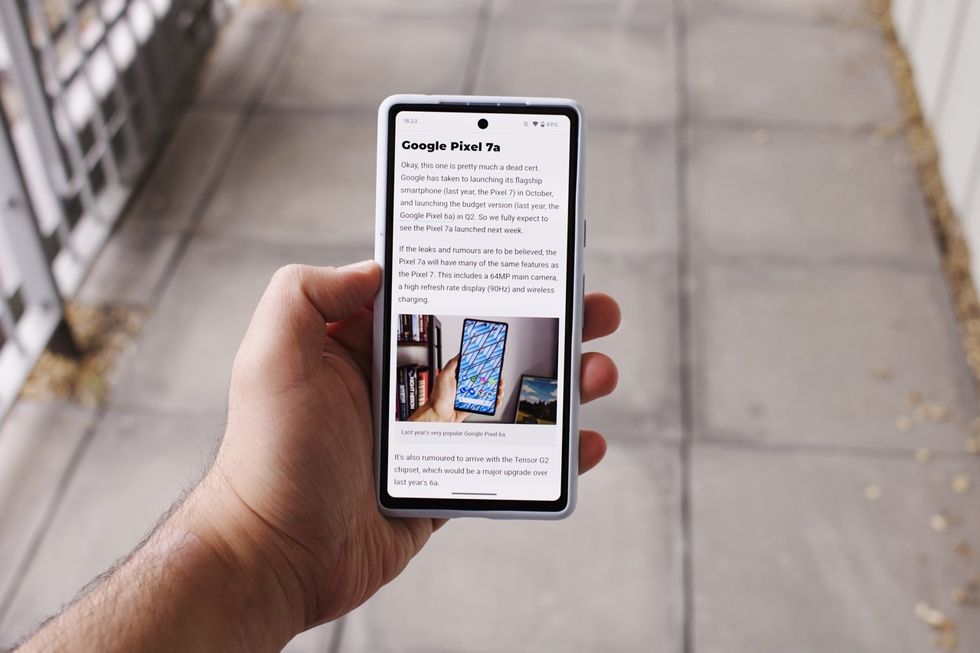
When it comes to the more obvious factors affecting your buying decision, it's worth noting that you'll get a bit more battery life out of the larger Pixel 7, in addition to faster wireless charging and, of course, a bigger 6.4-inch display. As mentioned above, it's also a bit slippery to hold, so a case is a must. Lastly, this is coming in at a slightly more expensive price than the Pixel 6a did when it launched, with an extra £50 added to the cost.
Google Pixel 7a vs Pixel 7
Given how impressive the package is, I'd view the Pixel 7a as the starting point for the majority of people getting an Android phone, but you may be thinking how it compares to the flagships.
While the 7a has everything you need, if you want better specs, more storage or longer battery you can opt for the Pixel 7 and Pixel 7 Pro.
The 7 Pro has a much larger display (6.7 inches compared to the 7a’s 6.1 inches), an extra 48 MP telephoto camera and a higher resolution display with a 120Hz refresh rate. Likewise, the Pixel 7 gives you a slightly larger (6.3-inch) display, a glass rear panel instead of plastic and a slightly larger camera bump. Only the Pixel 7 Pro has a macro photo mode.
And if the 7a feels like more than you require, the Pixel 6a still stands out as the best cheap Android handset, often available for under £300.
Google Pixel 7a vs iPhone SE
When you compare this to an iPhone at a similar price, you'll find yourself looking at a refurbished model or the iPhone SE 3, which also goes for £449. Buy the Apple model and you get a design from 2014 with less storage, a smaller and less impressive display, only one (now outdated) rear camera, half the RAM and only 15 hours of battery.
It's a no-brainer, especially as the Android experience on Pixels is optimised, smooth, stable and not weighed down by annoying bloatware. It will also be supported with operating system updates for years.
Google Pixel 7a verdict
After testing the Google Pixel 7a, I'm struck by just how few compromises Google has made with this handset, and how it avoids the typical pitfalls for budget phones. The cameras, battery life, performance and charging specs are every bit as good as what you're getting on more "expensive" Pixel phones like the Pixel 7 and 7 Pro, and not that far behind the newest Pixel 8 and Pixel 8 Pro.
If you like the idea of a gorgeous 6.1-inch OLED screen, more than enough battery life to get you through the day, a pocket-friendly form factor, and wonderful camera performance, then what are you waiting for? This is the best smartphone under £450.
Pros
- Sleek and slim design
- Fantastic cameras
- Terrific value for money
Cons
- Slippery in the hand
- Slight price increase
- Power users will want more battery
..