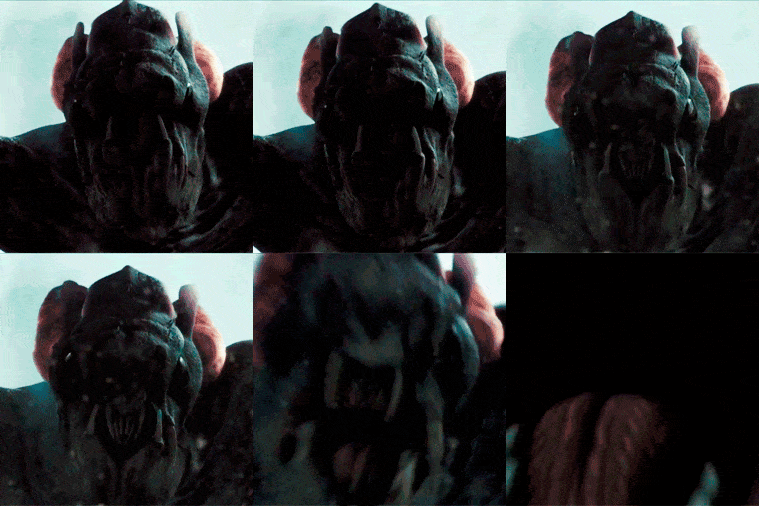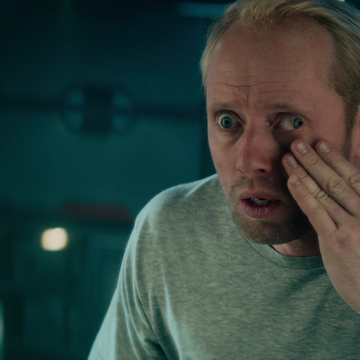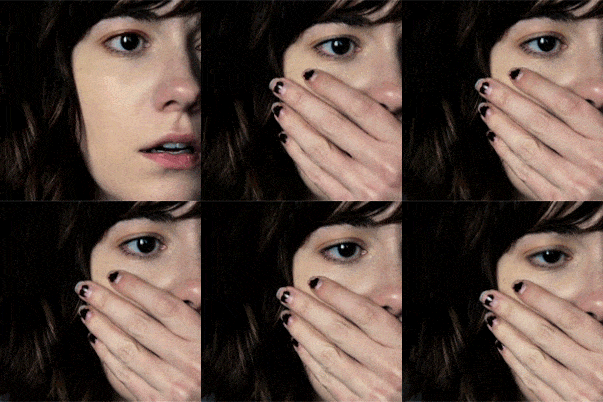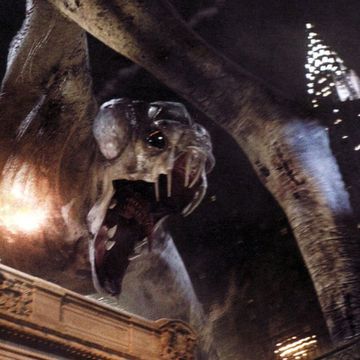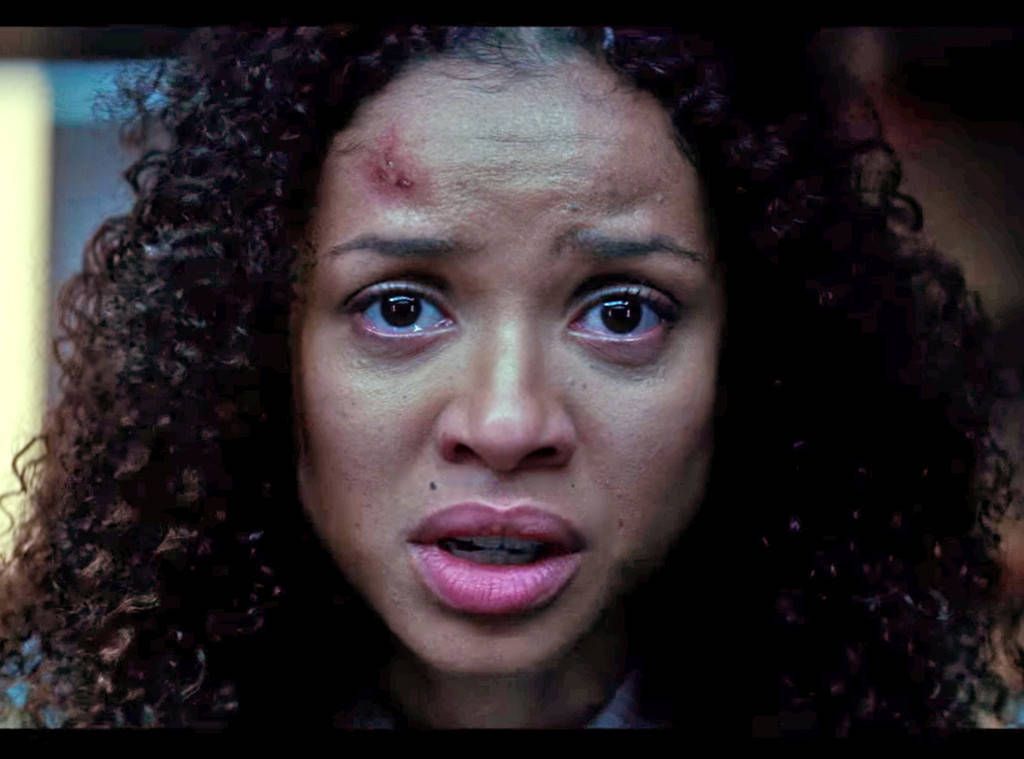
Despite its innovative release strategy, it seems that Netflix's The Cloverfield Paradox didn't quite excite viewers as much as hoped.
What to Read Next
According to new viewing figures from data firm Nielsen (via Variety), the third movie in the Cloverfield franchise drew in far fewer people than the streaming giant's flagpole original movie Bright.
The figures suggest that the surprise release appealed to 2.8 million US viewers within its first three days of being released, bringing in a total of 5 million over the first week.


That's compared to Bright – a newly established franchise – which apparently drew in 11 million in the US within its first three days of release.
While The Cloverfield Paradox's critical mauling may not have helped it – it currently holds an 18% rating on Rotten Tomatoes (though we liked it) – Bright was also savaged by critics, standing at 27%.
However, the latter was very popular with fans, as evidenced by its 86% rating with audiences. The same cannot quite be said of The Cloverfield Paradox, which just edges 51%.
Digital Spy has reached out to Netflix for comment.
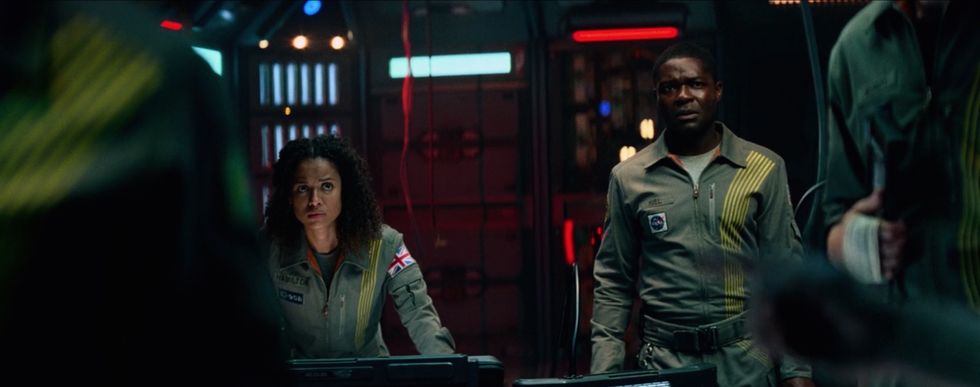

While there may be many reasons behind the underwhelming performance, do bear in mind that Nielsen's figures only take into account the US, and monitors viewership from connected TVs, excluding mobile devices and tablets.
Netflix has also disputed third party figures before as it is very secretive about its viewership numbers.
Interestingly, The Cloverfield Paradox's budget is said to be between $40 and $55 million, with Netflix buying the rights for $50 million. Bright reportedly cost nearly $100 million to make. It may have got much more bang for its buck with the latter.
Want up-to-the-minute entertainment news and features? Just hit 'Like' on our Digital Spy Facebook page and 'Follow' on our @digitalspy Twitter account and you're all set.

Sam is a freelance reporter and sub-editor who has a particular interest in movies, TV and music. After completing a journalism Masters at City University, London, Sam joined Digital Spy as a reporter, and has also freelanced for publications such as NME and Screen International. Sam, who also has a degree in Film, can wax lyrical about everything from Lord of the Rings to Love Is Blind, and is equally in his element crossing every 't' and dotting every 'i' as a sub-editor.