
They say there are only seven stories. We're not sure if that's true.
But there are only seven sci-fi movie posters.
You might think there are more, but no – seven. Whether it's about the apocalypse, an alien invasion, misbehaving technology, a dystopian vision, time-travel or genetic tampering, a sci-fi movie poster will seemingly always fit into one of a handful of design tropes. Here they are…
1. Floating heads assemble
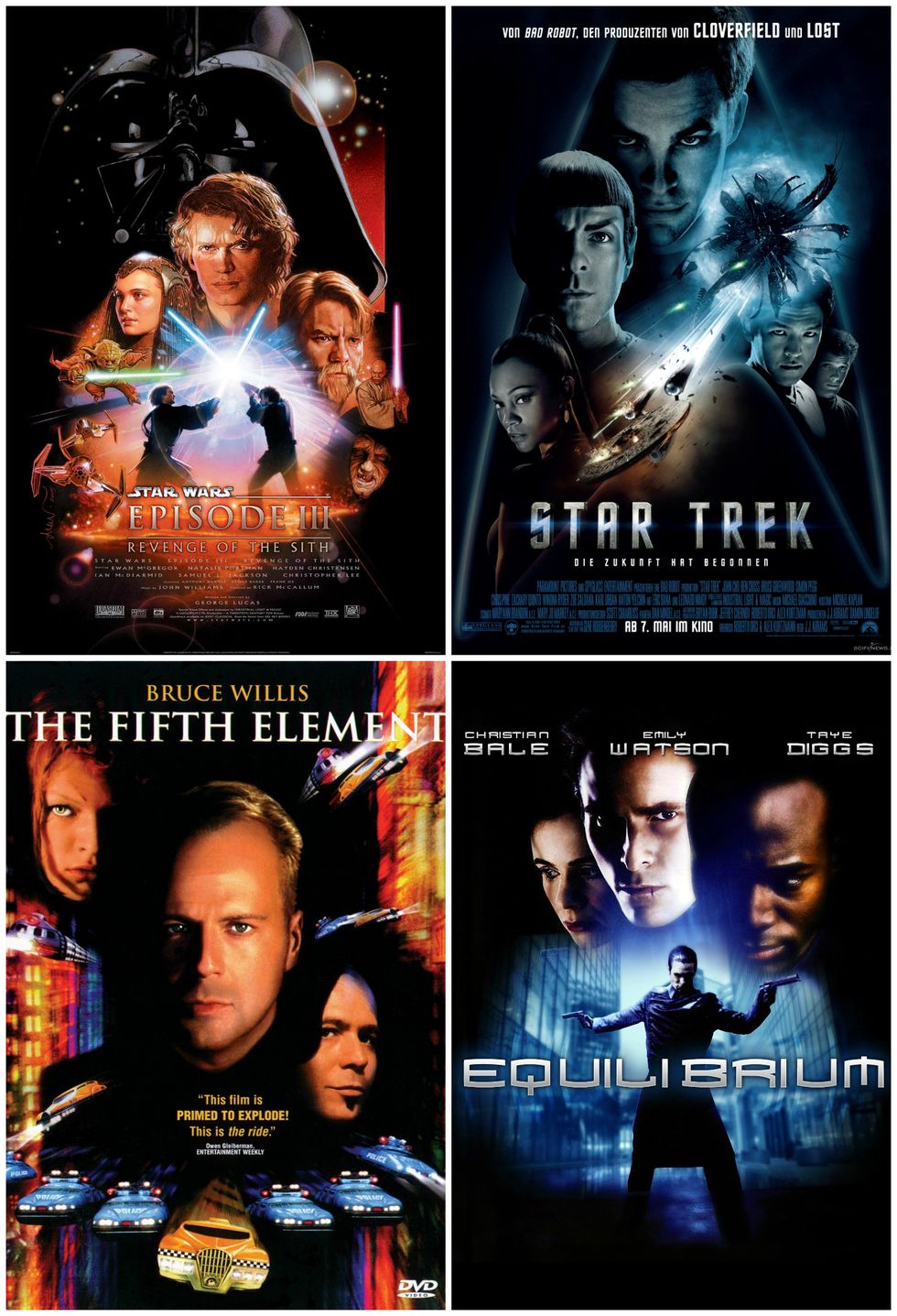

Denotes an ensemble cast featuring some *quite* famous people. But not so famous they can carry a poster on their own. This style was popularised by the first Star Wars.
2. One man's back against the world
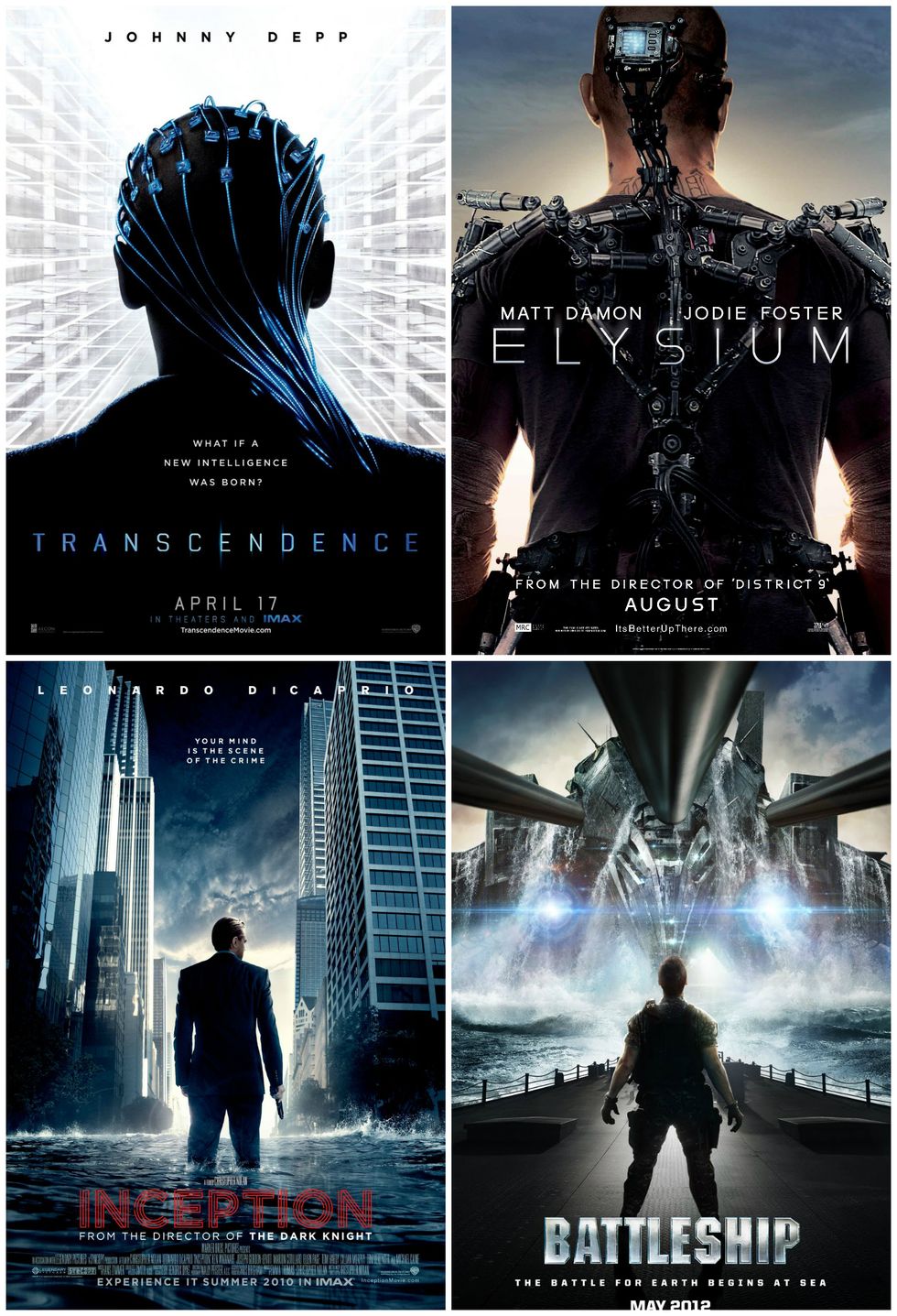

Denotes a star so famous that the back of their head does the job. That or they're Taylor Kitsch.
3. Big faces!
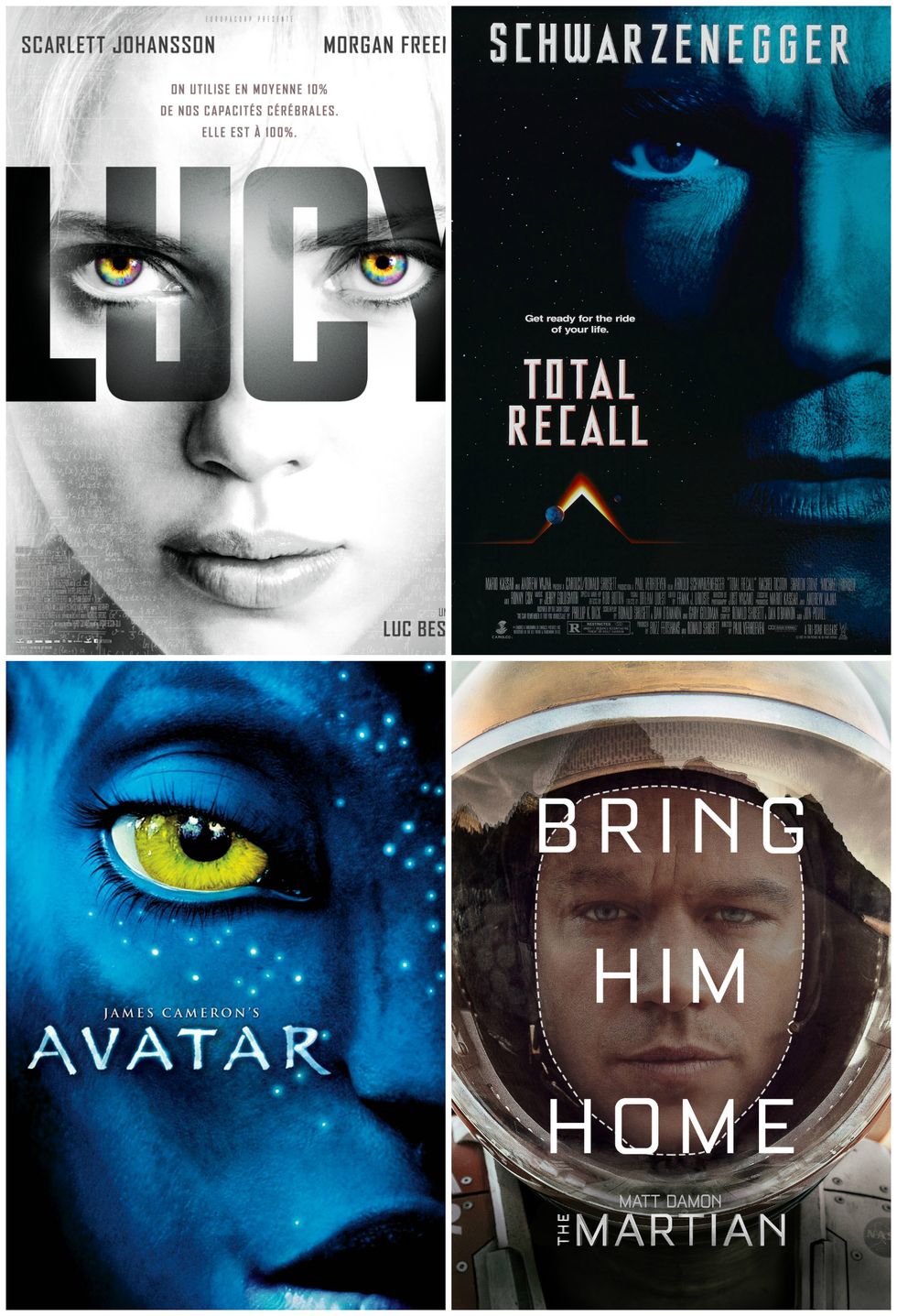

Denotes the film is about things going on in people's brains, like thoughts and stuff.
What to Read Next
4. Frontin' it out alone
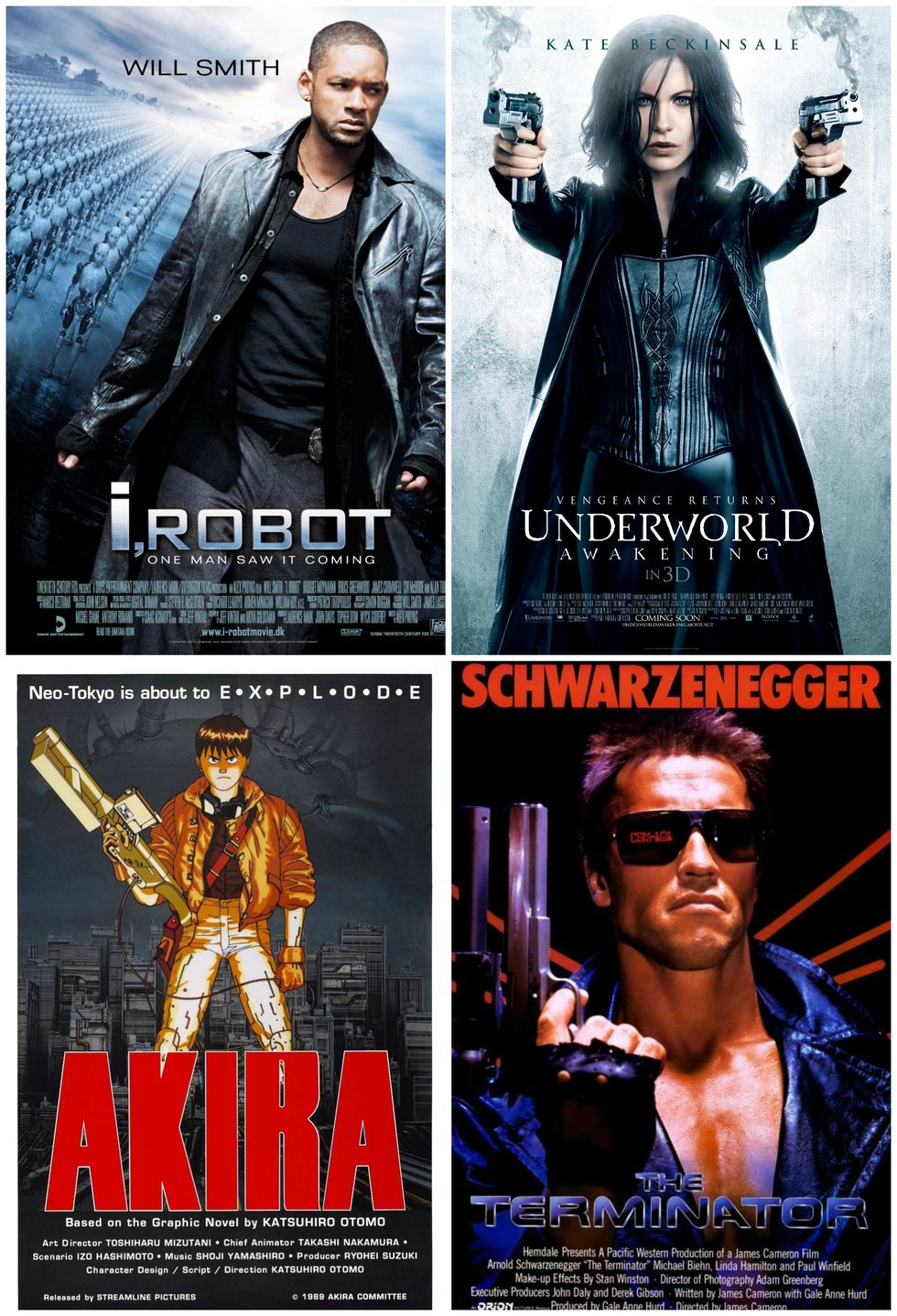

Denotes star vehicle, often featuring a "one man/woman (usually man) against the world" storyline. Mostly (but not always) involving a gun.
5. Destroyed landmarks


Denotes landmarks will be destroyed. Roland Emmerich may or may not be involved.
6. Ooh, circles!
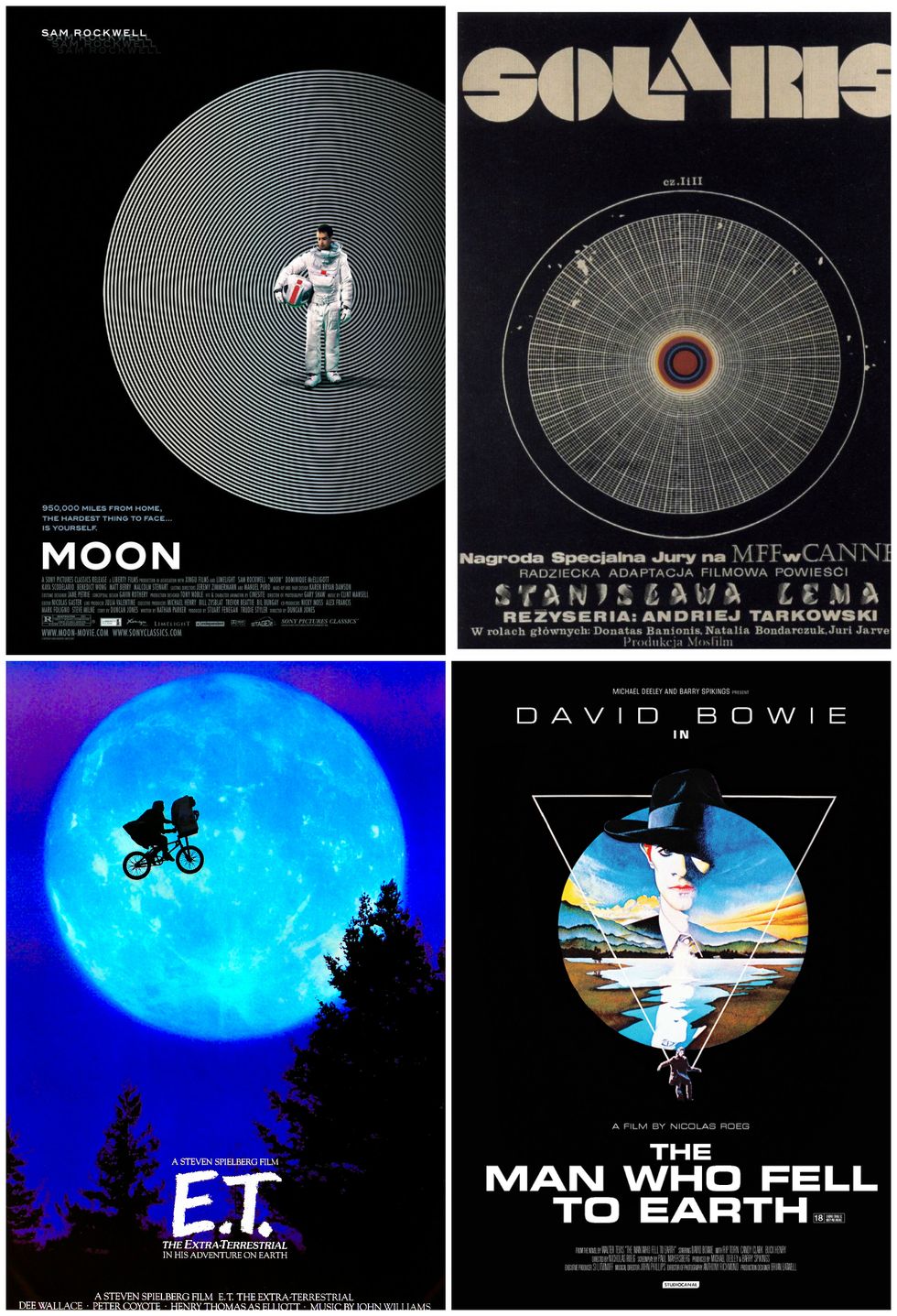

Denotes quality and geometric precision. Circles are good. Like the circle of life. Or the moon, that's a circle.
7. If in doubt, spaceships.
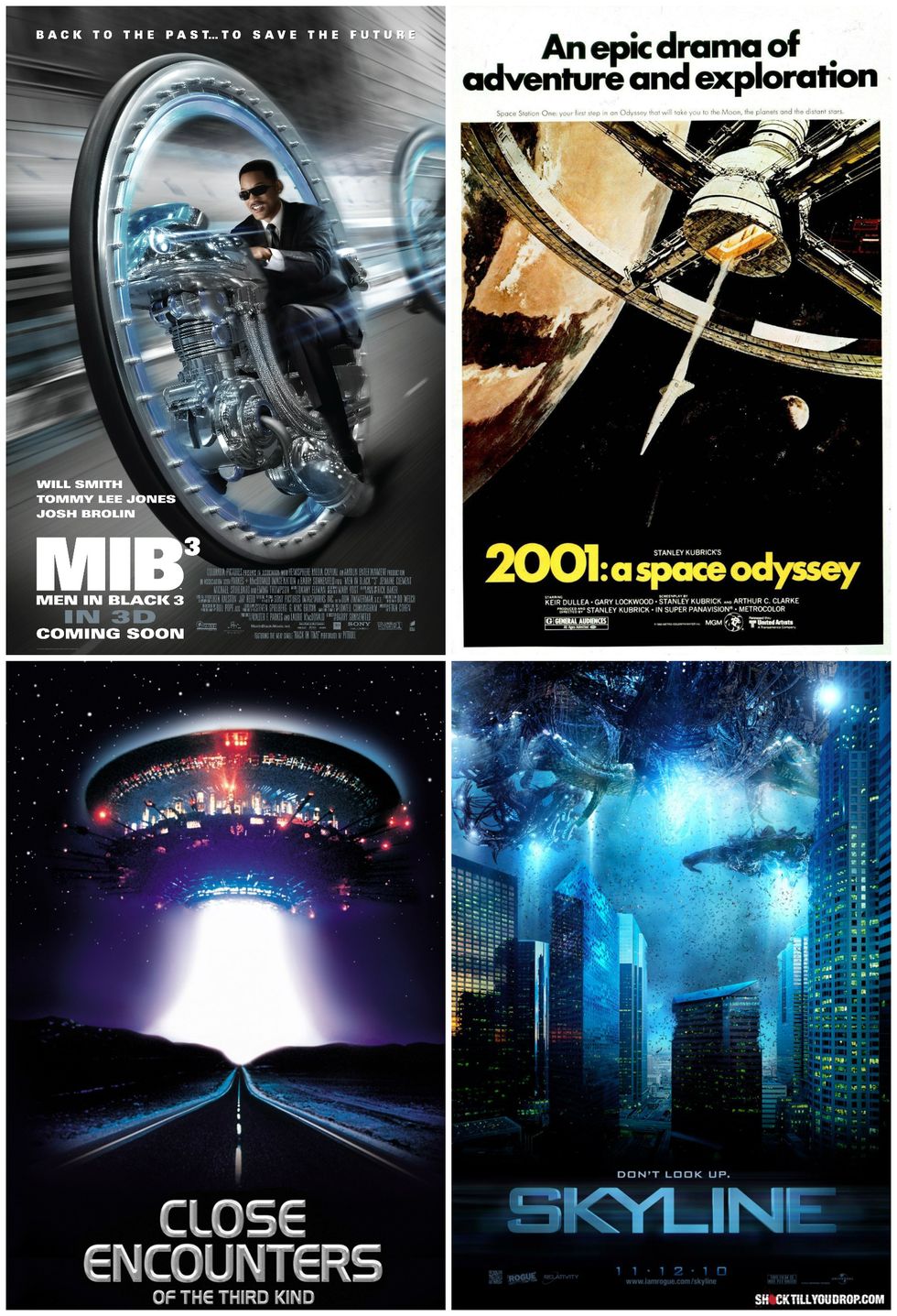

Denotes lack of imagination. Spaceships? Really? Yeah, cos that's what sci-fi fans like, isn't it? So what if your movie is about a spaceship - surely you can illustrate that with a circle of some sort? Oh, your spaceship is circular? Fair enough then.
But at least we've moved on from the 1950s when ALL sci-fi movie posters featured a woman being carried by a robot, monster or robot-monster.


Matt is a journalist, audience strategist, editorial director and workflow consultant with over 20 years' of experience in the industry.
A former director of audience development and content strategy at Hearst UK, Matt was previously Editor-in-Chief of Digital Spy. There, he contributed features and reviews on TV, movies, consumer technology, video games and Lego sets, won BSME Digital Editor of the Year, and led the team to numerous awards including Campaign Consumer Media Brand of the Year and PPA Digital Content Team of the Year twice.
As Digital Development Director of the Hearst UK portfolio, he oversaw the central digital editorial teams including SEO, video, e-commerce and design, contributing to digital acceleration across all Hearst UK brands from Cosmopolitan to Good Housekeeping.
Before joining Hearst in 2015, Matt edited Future’s consumer technology lifestyle brand T3 and the UK arm of Gawker’s tech culture website Gizmodo, and was deputy editor at ShortList, the then biggest men’s magazine in the UK, interviewing the likes of Quentin Tarantino, Lord Sugar and Sirs Ridley Scott and David Attenborough in the process. LinkedIn


