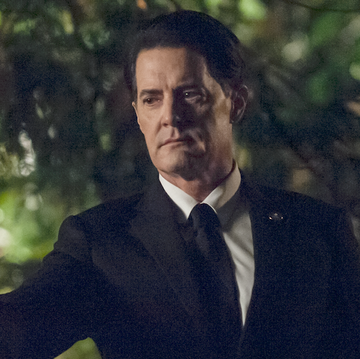
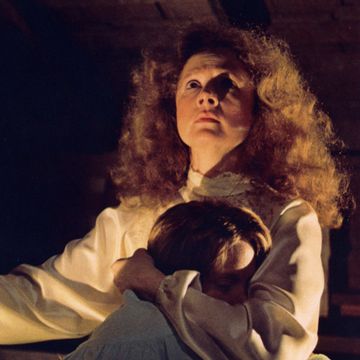
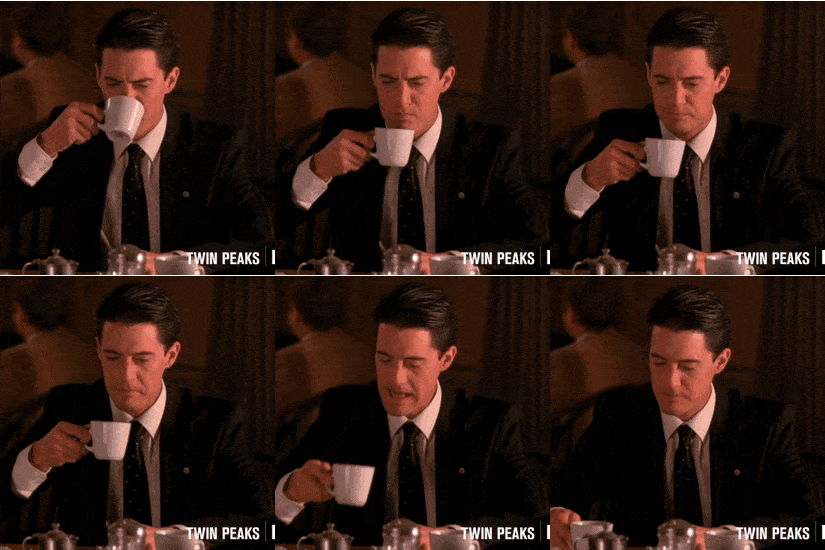
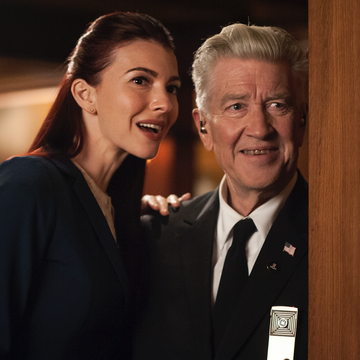
David Lynch sees the world differently – we're just lucky enough to be invited along to share his vision in his films and TV shows throughout his storied career.
Though his intentions and narratives aren't always clear, the director puts immense care into every image he produces. He's trying to tell us something in his own way – it's our job to watch, to feel, to experience.
What to Read Next
Often, his visual style is influenced by many classic painters like surrealist René Magritte, realist Edward Hopper and figurative artist Francis Bacon. Twin Peaks' iconic Red Room, for example, comes from Bacon's Seated Figure, and Eraserhead was inspired by Magritte's Meditation.
Related:The fascinating origin of Twin Peaks' killer BOB
"The painting or the photograph or the film remains the same, but the viewer is the magic part of the process," Lynch said in a 2012 interview pulled for this video essay on his visual influences by VoorDeFilm.
"I like to think of it as kind of a circle goes from the photo to the viewer back to the photo, kind of a strange internal dialogue."

For anyone who watched Lynch's latest, brilliant hour of Twin Peaks: The Return, this mini documentary delves into some of the baffling and beautiful images from that episode.
Many of the visuals in Lynch's 1940s are inspired by Hopper's work. Meanwhile, scenes from the third season of Twin Peaks take visual cues from Bacon's Two Figures at a Window and Portrait of a Man.
It might change how you look at some of Lynch's most stunning scenes, and, at the very least, it provides one, small bit of explanation for the director's arresting style.
Want up-to-the-minute entertainment news and features? Just hit 'Like' on our Digital Spy Facebook page and 'Follow' on our @digitalspy Twitter account and you're all set.
Matt Miller is a Brooklyn-based culture/lifestyle writer and music critic whose work has appeared in Esquire, Forbes, The Denver Post, and documentaries.