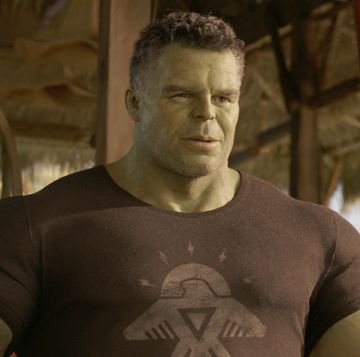
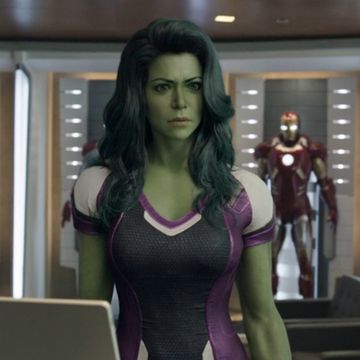
She-Hulk spoilers follow.
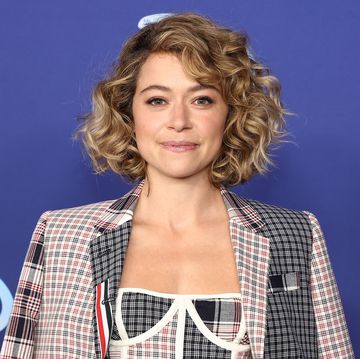
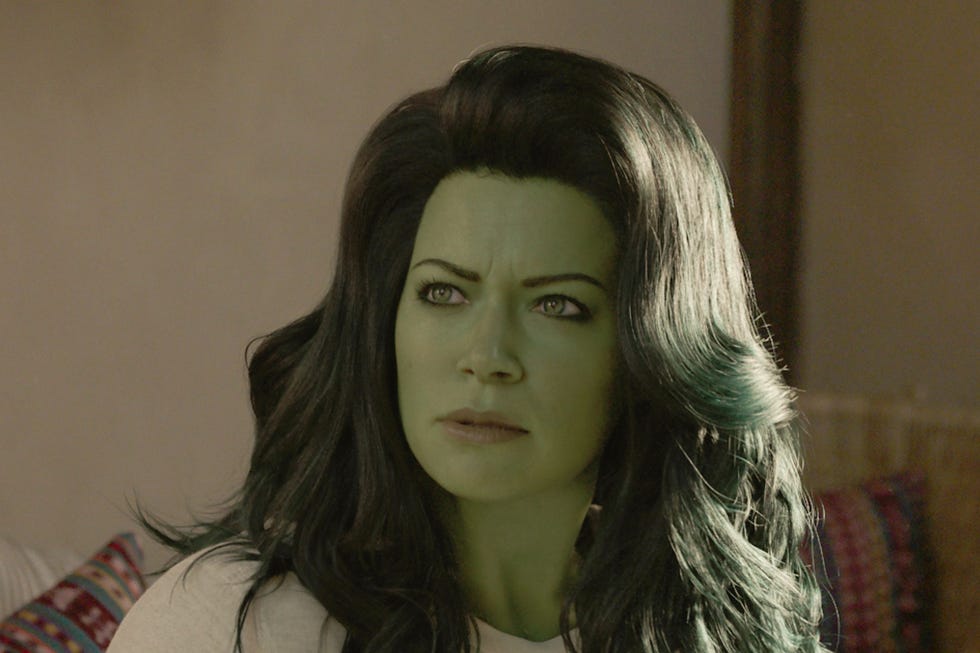
She-Hulk protagonist Tatiana Maslany has revealed the show almost had a very different, more "serious" ending than the one that aired on Disney+.
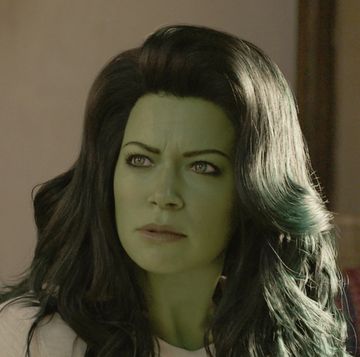
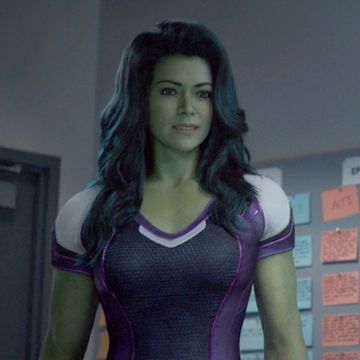
The Orphan Black star plays the titular superhero She-Hulk, the alter ego of attorney at law Jennifer Walters.
What to Read Next
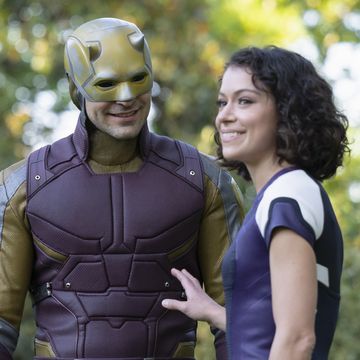
In the first season finale of She-Hulk, viewers got to see a lot more of Jen in a non-traditional ending for a Marvel project. In a meta finale, Jen confronted the show's writers and K.E.V.I.N. (Knowledge Enhanced Visual Interconnectivity Nexus) to get the non-superhero ending she felt she deserved.

Related: She-Hulk finally introduces Deadpool to the MCU, sort of
In a chat with Entertainment Weekly, Maslany revealed head writer Jessica Gao had penned several finales in addition to the one that made the cut.
"[Jessica Gao] and I talked about the ending a lot, because tonally it could have gone in all kinds of different ways," Maslany said.
"Jess said that there were like 20 versions of it. I never saw 18 of those versions, but I did see two: the one that we went with and then one that we shot prior," she continued, explaining that the latter ending "was very different, a little more serious and less like Jen's version of it."

Related: She-Hulk season 2 potential release date, cast, plot and everything you need to know
The actress revealed that the alternate ending would have featured primarily She-Hulk, thus being more costly for Marvel.
"It was [more of] She-Hulk, so it was way too expensive, first off. And it had a different strategy to it," Maslany added.
"The thing that I love about this one is that we get back to Jen feeling like K.E.V.I.N.'s her collaborator and like an equal, and that her ideas deserve respect."
She-Hulk: Attorney At Law is streaming on Disney+, with new episodes premiering on Thursdays.
Reporter, Digital Spy
Stefania is a freelance writer specialising in TV and movies. After graduating from City University, London, she covered LGBTQ+ news and pursued a career in entertainment journalism, with her work appearing in outlets including Little White Lies, The Skinny, Radio Times and Digital Spy.
Her beats are horror films and period dramas, especially if fronted by queer women. She can argue why Scream is the best slasher in four languages (and a half).