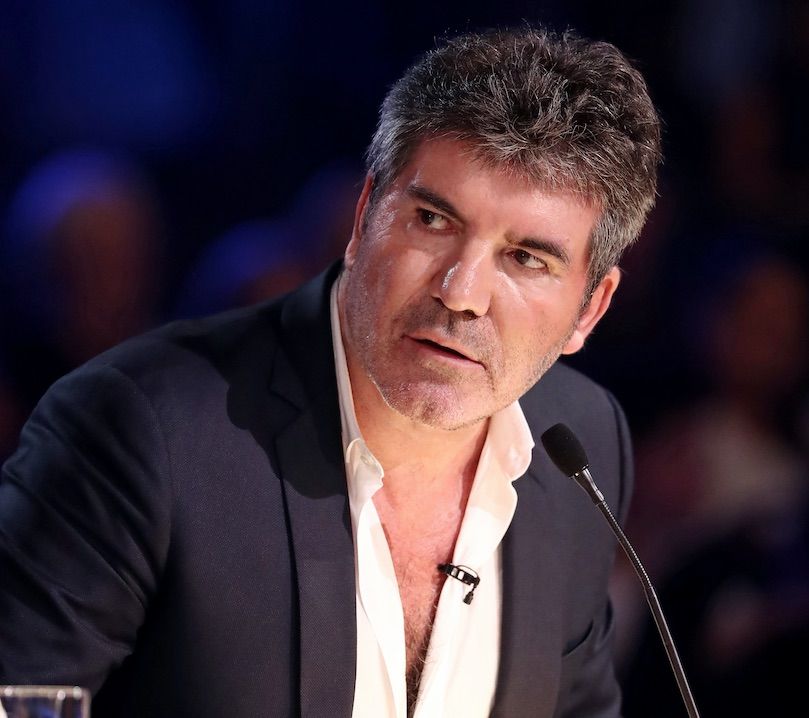
In case you’ve missed the news, The X Factor is making some huge changes for 2019.
Following speculation about the future of the ITV show, Simon Cowell recently clarified that he's planning to air two overhauled series back-to-back this autumn.
The first will be a much-rumoured celebrity special. This will be followed directly by another one-off, featuring all-star contestants from the programme's past.
But really, it wouldn’t be surprising if you had missed the news (which hasn't actually been formally announced by ITV). Because as much as Simon tries, The X Factor will never be as relevant as it was in its noughties heyday.
When the 59-year-old announced his plans, he told The Sun: “I think it's going to be huge, it's the best I've felt about this show in years."
It’s great that Simon’s feeling so positive. It’s practically his second child, after all. But will it actually be so “huge”?
What to Read Next
Last year’s ratings must be a concern for the media mogul. Series seven – the year that gave us Matt Cardle, Cher Lloyd, Rebecca Ferguson and, of course, One Direction – peaked with a UK average of 14.13 million viewers.

Meanwhile, 2018's opener brought in its lowest launch-show audience since X Factor began 15 years ago.
Remember the days when we’d spend Monday mornings talking about who’d been voted off the night before? Even if we hadn’t seen the show, we’d vaguely know what had happened – someone would have whacked it on their Facebook status.
Now, most of us are bragging (or commiserating) about how many episodes of Sex Education or Stranger Things we managed to binge after dinner.
But there is some good news for Simon. Despite the disappointing ratings for 2018’s first episode, it was still the most-watched Saturday-night TV show of the evening.
And there is clearly still an appetite for watching series in real time. Just look at the success of Line of Duty and Game of Thrones.
Not only that but in most weeks it was the most-watched programme of the day it aired for 16-34-year-old audiences. It also became increasingly popular on catch-up, mobile and online – something that isn't always taken into consideration when looking at traditional rating figures.

With this in mind, you’d think that 16-34-year-olds would be the age group the show would focus on when considering its new direction. However, the fact that the celebrity series is being compared to 2006's The X Factor: Battle of the Stars shows that it isn’t exactly a fresh concept.
As for the All Stars special, why would a younger demographic be interested in people some of them barely remember? Those born in 2003 will have limited memory of 1D’s landmark 2010 series, let alone the likes of Ray Quinn, Diana Vickers and Rhydian Roberts.
Instead, surely the competition should be setting its sights on new talent?
Then there are the judges. While Simon is yet to announce the line-up for this year’s series, we already know that Robbie Williams and his wife Ayda Field have quit and that Louis Tomlinson has hinted that he’s not entirely convinced by the shake-ups. This makes it the the perfect time to bring in a more current and relatable panel.
Imagine if contestants were mentored by someone like Stormzy, who understands what it’s like to be a young artist breaking into today's industry? Or Greg James, who's successfully boosted Radio 1's Breakfast Show figures.

Of course, the Catch-22 is that The X Factor’s lack of relevance makes these names unlikely to want to become involved. It’s a shame that Louis may be leaving, because he’s probably the most recent judge who fits the description.
One of the main issues here is that it’s actually incredibly difficult to update an old concept. We’ve had countless judging switch-ups and tweaks to the rounds over the past few years but ultimately, the process stays much the same.
Little Mix winning back in 2011 was a talking point because it was the first time a group had triumphed, but now it feels as though these kinds of milestones have all been reached. Is there anything new for Simon to achieve?
When you look back at X Factor’s predecessors, you’ll see that they were retired far earlier. Pop Idol lasted two series, while it was one and done for Popstars: The Rivals.
It’s not entirely surprising that Simon is keen to keep The X Factor running – it remains a huge cash cow for him. But it may be time to admit that it’ll never reach its 1D-style heights of popularity again.
Want up-to-the-minute entertainment news and features? Just hit 'Like' on our Digital Spy Facebook page and 'Follow' on our @digitalspy Instagram and Twitter account.


