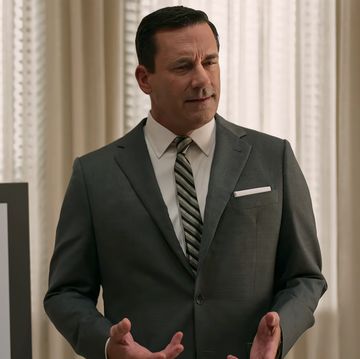
In his final Remote Patrol column for Digital Spy, US TV critic Bruce Fretts considers another farewell as he bids goodbye to Don Draper and Mad Men.
Remote Patrol: Will Mad Men end like The Sopranos - or Lost?


"I would like to personally thank you for being complicit in our desire to keep the storylines a secret," creator Matthew Weiner writes in a (form) letter to critics who received the first episode of the second half of the seventh and last season of Mad Men, debuting April 5. He then goes on to detail exactly what he doesn't want journalists to reveal about the upcoming plotlines.
I will honour his wishes, yet I can still discuss some of what takes place in the mid-season opener, 'Severance' (the title is a clue), without giving too much away. Specifically, I picked up on several hints about which direction the Emmy-winning drama may be headed in its final seven episodes.
Weiner, of course, is a disciple of David Chase, having come up as a writer on The Sopranos. Just as Tony and the gang often took exits off the New Jersey Turnpike into dreamland - including an extended reverie in which the comatose mobster imagined he was a nebbishy travelling salesman - Mad Men frequently has a surreal quality, and Don Draper (Jon Hamm) harbours a deeply split personality. To wit, the Manhattan ad-man's true identity is put-upon Midwestern farm-boy Dick Whitman.
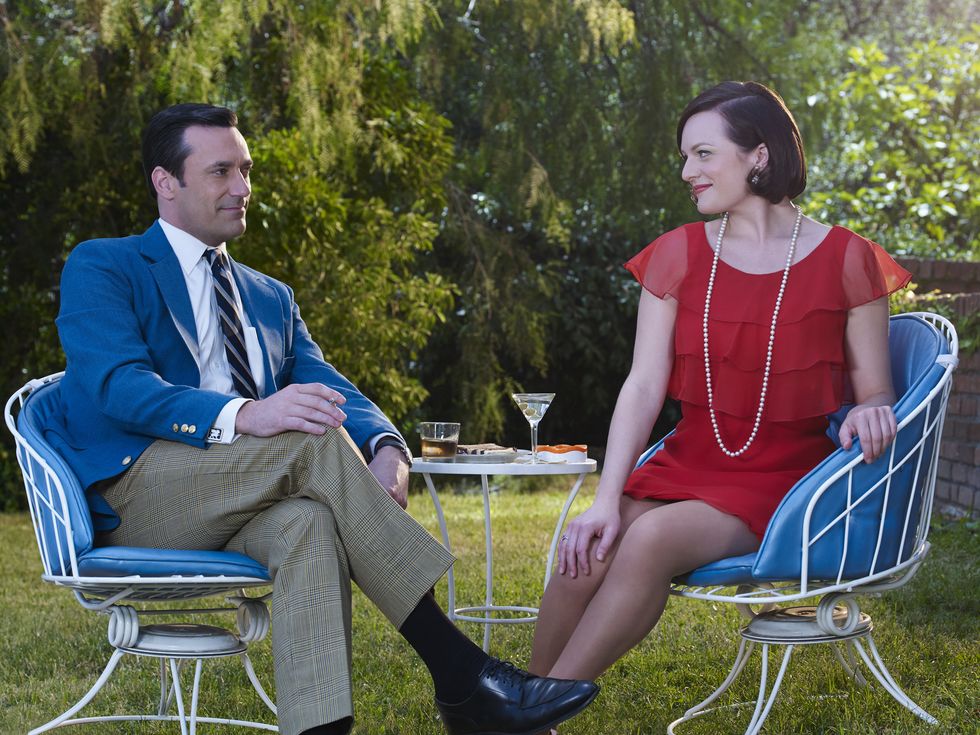

But never has Mad Men seemed more like a dream, or maybe a nightmare, than now. There's an otherworldly quality to nearly every scene in the episode. Most blatantly, Don dreams of a woman from his past - I won't divulge her identity - then finds out the next day that she's just died.
What to Read Next
He also meets a diner waitress (Twilight's Elizabeth Reaser) who reminds him of his lost love - and who may or may not actually exist. "Is that who you think I am?" she asks Don. "I want you to think very carefully about that dream because when people die, everything gets mixed up. Maybe you dreamed about her all the time. When someone dies, you just want to make sense of it, but you can't."
Maybe the whole show has been a dream - as in St. Elsewhere's series finale, when it was revealed that everything had taken place inside the snow globe of daydreaming autistic youngster Tommy Westphall. Or maybe Don/Dick's been dead all along or died at some point during the run, and the rest of the series has been depicting his time in purgatory. Not to get all Lost on you...


More signs in the episode point to the it-was-all-a-dream scenario (shades of Bobby Ewing in the shower on Dallas!). Peggy Lee's existential ballad "Is That All There Is?" snakes through the hour, and there's a subplot about a heady crisis of conscience for the one-eyed would-be oracle Ken Cosgrove (Aaron Staton).
His wife urges him to quit his ad-agency job and write the Great American Novel, "something sad and sweet for all the people who don't have the guts to live their dreams". His co-worker Pete Campbell (Vincent Kartheiser) agrees: "This world is boring - you should write an adventure story. I thought I changed my life when I moved to California; now it feels like a dream, but at the time it felt so real." After Ken chooses his fate (or vice versa), he tells Don: "It's a symbol of the life not lived."


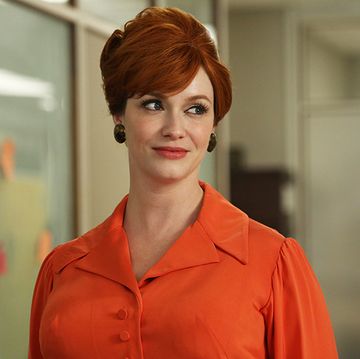
Granted, there are sequences in the episode that feel all too real. Peggy (Elisabeth Moss) and Joan (Christina Hendricks) endure a meeting about a pantyhose brand with sexist ad execs who make excruciatingly inappropriate jokes like "What's special about your panties?" and "They're afraid Leggs are going to spread all over the world; that wouldn't bother me at all." Peggy goes along to get along - "Would you have rather gotten a friendly no?" she asks Joan - and the women later share the tensest elevator ride since Jay Z's melee with Solange Knowles.
But supposing it was all in Don's/Dick's head, what a wonderfully mad fever dream it's been. And if that's all there is, it's more than enough for me.
Bruce Fretts is a veteran of both Entertainment Weekly and TV Guide Magazine, where he penned the wildly popular 'Cheers & Jeers' column for ten years.