Despite it being one of the most loved genres of TV and film, horror never seems to be able to catch a break.
With annual snubs during awards season – The Substance is not a comedy or a musical, sorry – coupled with the fact that we're only treated to a good slasher series when October rolls around, many horror fans end the spooky season with an appetite that's yet to be satiated.
So, the promise of a new Sunday night primetime series from Channel 4 filled with zombies raised pulses among horror fans. Generation Z – written and created by Ben Wheatley (director of the polarising Meg 2: The Trench, as well as films such as Rebecca and In The Earth) – follows the terrifying goings-on in a town called Danbury.
Starring Sherwood's Robert Lindsay, who is part of a sterling cast that also includes Johnny Vegas and Downton Abbey's Rob James-Collier, the horror-comedy boasts a strong calibre of familiar faces, as well as green talent in their first on-screen roles.

Related: Best horror movies
Steff (Lewis Gribben) is a young man 'infected' by toxic masculinity and radical male influencers online. Kelly (Buket Komur) and Charlie (Jay Lycurgo) flank Steff as teenagers skipping their A-Level prep, trying to make ends meet whilst partying the night away.
What to Read Next
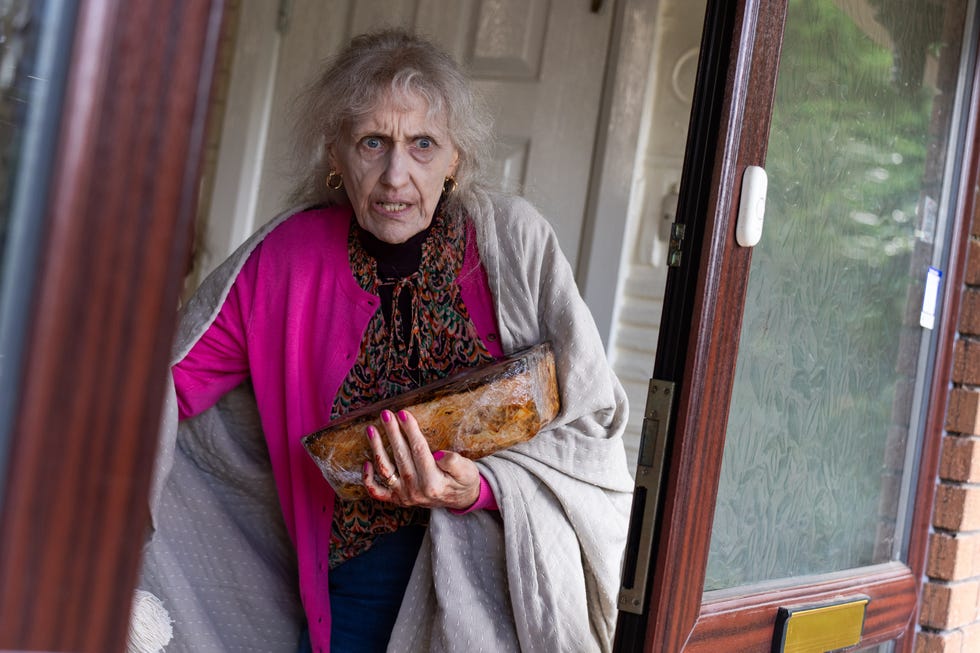
When an oil spill on the outskirts of the town starts to infect locals, it's the care homes that are first impacted, with their older residents going on to escape the confines of their lap trays to find something more blood-filled to devour. If you've ever wanted to know what Anita Dobson would look like eating human flesh, then you're in luck.
Alongside them, a group of youngsters in the town are blissfully unaware of the impending outbreak as they sit engrossed in Snapchat and dance the night away at strobe-filled house parties.
But what's even scarier than seeing some of the UK's greatest stars of stage and screen turned into zombies before our eyes (Sue Johnston does a terrific job eating brains)? It's the outdated stereotypes placed upon the younger cohort of the zombie-infested town that make it more likely that you'll be watching through your fingers.
Related: Best horror movies on Netflix to watch this Halloween
The show's biggest problem is the way it throws every single social issue that has ever graced the front of a national newspaper onto these school kids, hoping that each character will be able to represent a great social dilemma of our time. But in a six-part series, that's just not going to be possible.
Described as a story about "intergenerational justice and community breakdown", we are treated to COVID and Brexit references from the older characters. At one point, the zombies launch into a chant of "They, They, They" – it wouldn't be surprising if this was a somewhat moronic nod towards Gen Z's more relaxed attitude towards gender identity.
But it's hard to say when every other social issue has been shoehorned in to try to make a point about our generational divide in society. It's deeply unclear what's just dialogue, and what's supposed to read as social commentary.
As a viewer, there's nothing more frustrating and glaringly obvious than watching a group of teenage characters who have been written by adults. Of course, adults can – and do! – write well-rounded and complex teenage characters all the time, but Generation Z fails to portray these teens as anything more than a surface-level stereotype.

Even when packed with bloodthirsty zombies, it's possible to embed hot-topic issues like body image, relationships, sexuality and online safety in a fun and engaging way. But Generation Z fails to give any of these topics the right amount of space, or well-written conversation, for them to be respectfully unpacked.
When genuine Gen Z audiences have been treated to witty dialogue and believable comedy horror in films like Bodies, Bodies, Bodies – and even Ryan Murphy's decade-old hit American Horror Story – the bar for relatable stories woven into fantastical storytelling has been set high.
The late 2010s and early 2020s have seen authentic storytelling across all genres become commonplace, creating hit TV shows in the process. Netflix's Sex Education felt like a pivotal turning point for Gen Z audiences, with many seeing themselves represented for the first time through awkward coming-of-age moments.
Comedy, too, has found the sweet spot of exploring underrepresented stories, while allowing the people on screen to write their own punchlines. BBC Three's We Might Regret This and Juice – the latter of which earned writer and star Mawaan Rizwan a BAFTA – are prime examples of how to marry drama, comedy and relatable experiences into something younger audiences will relate to, without it being patronising.

Related: BBC's new show taps into One Day's nostalgia for twenty-something Brits
Generation Z feels akin to what your dad thinks young people are up to, when in reality they're studying, worrying about the climate crisis and taking time away from social media.
The Channel 4 show paints the Love Island generation as folk who would be more concerned about their relationships and crushes during a zombie apocalypse, rather than legitimate survival. And in a time when real-life Gen Z-ers have never been more politically and socially active, it feels lazy.
So, if you're looking for a fright this Halloween you could watch Generation Z – but be prepared to be scared for all the wrong reasons.
Generation Z is available on Channel 4.
You Might Like...


Jamie Windust is an award-winning editor, writer and author specialising in writing about LGBTQ+ storytelling, film and TV. As former Contributing Editor at Gay Times, they have interviewed talents such as Jack Lowden, Owen Jones, John Bell and Jack Rooke.
Their debut book In Their Shoes: Navigating Non-Binary Life detailed their experiences growing up as a trans person and how influential culture, fashion and TV and film were in helping them to express themselves with confidence. In Their Shoes was longlisted for the 2021 Polari First Book Prize.
Bylines include The Independent, Metro, Mashable and ELLE UK.


