
Rainbow Crew is an ongoing interview series that celebrates the best LGBTQ+ representation on screen. Each instalment showcases talent working on both sides of the camera, including queer creatives and allies to the community.
Next up, we're speaking to Tom Jones star Pearl Mackie.
Pearl Mackie made history as the first queer companion in Doctor Who, and now she's making history of a different kind in Tom Jones, ITV's racy reimagining of Henry Fielding's 1749 novel, The History of Tom Jones, A Foundling.
Much of the original text is reproduced faithfully here. Tom, played by Solly McCleod, is the illegitimate child of a maid in both versions, and these low-brow origins continue to impact him even as the adopted son of a rich man named Squire Allworthy. The real thrust of the story though, so to speak, is Tom's love for a woman named Sophia (Sophie Wilde) whose affections he fights for against a childhood friend named Blifil.
That will all sound familiar to fans of the source material, but what this new take on Tom Jones does so differently and so well is re-contextualise this world by making Sophia biracial instead of white. This not-so-small change gives the story a chance to better reflect actual history as opposed to the predominantly white narrative that's monopolised most period dramas up until now.
That also makes the role of Honour Newton more important than ever, because now, she's not just Sophia's maid. When they're forced to suddenly go it alone and navigate a world that refuses to accept them both, these two women of colour transcend the usual employer/employee dynamics to become allies and even friends.
What to Read Next
Digital Spy caught up with Pearl Mackie to discuss her pivotal role as Honour in this new Tom Jones adaptation, and along the way, we also travelled back through history to look at some of her other key parts, too.

What sets Tom Jones apart from other costume dramas?
For me, what made it stand out when I first read it was that they cast Sophie Wilde as a mixed-race woman who was the daughter of a slave owner and an enslaved woman. They really don't shy away from that. That's addressed in the first episode. They're not pretending that doesn't exist. They're really looking at Britain's colonial reality, our colonial past.
The way that they introduced Honour is that they were like, "Well, we couldn't we find someone who could do Sophia's hair." And for me, that was a really real thing. I feel like many, many people watching it will be like, "Oh, yeah. I can totally relate to that." It's definitely different to white people's hair, so that just really resonated with me.
That's nothing against having colour-blind casting as a way of freeing up casting, but I just really appreciated the way that they looked at it head on. When Sophia and Honour go on their journey, they experience the realities of what life would have been like for two women of colour travelling alone. Those realities aren't always pleasant and I think it's important to explore that.
I found that really refreshing, a kind of modern take on period dramas that is also so joyous and so fun and so silly, and such a romp. I really liked those elements, which gave it a bit more of a grounded undertone.
You mentioned colour-blind casting, which instantly brings Bridgerton to mind. Both Tom Jones and Bridgerton explore race within the realm of costume dramas, but in a very different way, of course. How do you feel these two approaches compare?
I love Bridgerton. When I first watched it at Christmas with my mum, we thought, "This is great, that you can just have people of colour having a great time in a period drama, not just as serving characters, but also in the upper echelons of society. I love that.
By throwing away the rulebook, Shonda Rhimes sort of went, "This is ridiculous that we're not doing this." Let's just rethink it and throw it so far the other way that everyone goes, "Oh, yeah, this totally does work," and potentially open the door for shows like Tom Jones to go, "That's actually a really, really good idea, but we can take that further and actually look at what the realities would have been and still fit that into a joyous, hip period drama."

I remember watching period dramas when I was a kid, and I loved them. I was such a fan of the Pride and Prejudice adaptation. It's still one of my favourites. But I never really saw a place in them for myself as an actor. What I think is great about Bridgerton and this adaptation of Tom Jones is that young global-majority people can watch these shows and be like, "Obviously we did exist at that time, in the UK, and in many other European countries and cities over the world," and be like, "Of course there is a place for us."
I remember feeling quite erased from that part of history, apart from slavery and the realities that were going on with that. Obviously, that is a really harsh reality and a terrible thing. You should not shy away from looking at Britain's key role in that. But also, there were people of colour here before that. There were people of colour here through other channels as well. We did exist and we are here, so I think that's really important in terms of representation.
As a fan of period dramas yourself, did you enjoy getting into the fashion side of things? How did that impact your approach to the character?
Oh, my God, I mean, it was great. As Honour, I got to wear some amazing dresses that were actually handmade by some of our costume team, which was really lovely, actually. I think we had one dress that was sourced, and then they made a couple more because they really like the style and the shape. Testament to our costume team, they were all fantastic.
The dresses are heavy. That was one thing that I wasn't expecting. Wearing a corset for a big part of the day is something that I was very new to. You get laced into a corset at 6:30 in the morning and it's so different. It took quite a lot getting used to actually, just the physicality. You're really bound in for a lot of time, although obviously, they unlace you for dinner and stuff.
It really gave me access to what women must have felt like in that time because it's quite hard to breathe deeply and eat. You couldn't really eat a huge amount and then be relaxed with it and let your food go down. It did feel like a lot of pressure.
I really noticed the difference with how I could ground herself, in terms of when you take a deep breath in a situation that might be scary or difficult or something like that. When you really have a think about what you're going to say beforehand. Wearing a corset, it doesn't really allow you to do that. You have to breathe into your chest, which actually can make you a bit lightheaded.
Obviously women at the time didn't wear corsets for 12 hours a day, but it gave a really interesting insight as to how women were physically oppressed by their clothes and by society. But they do make you look great, so that was really fun [laughs].

The dresses were hilarious because they're quite long as you weren't allowed to show your ankles. There are scenes where Honour and Sophia are walking through grubby, grubby London with shoes made of cloth. By the end of the second take, when you're about halfway through the day or whatever, your dress is covered in mud and the mud is seeping up your dress so it's just getting heavier and heavier and heavier, like pulling down. You turn around and see it's gathered four foot of mud.
Aside from the corsets, costume dramas are also known for lots of sex, or at least a desire for sex. But even then, we were still surprised by how racy Tom Jones gets at points, given that it airs on ITV.
The book definitely is more about the male kind of desire and Tom Jones himself is kind of leading the charge. What Gwyneth [Hughes] and Georgia [Parris] have done quite successfully with their Tom Jones is looking at the lust and the desire from a female perspective as well, which is completely realistic. It's just society at the time that said that that wasn't allowed. It didn't necessarily mean those desires weren't there.
Tom Jones really doesn't shy away from it, which I think is actually quite fun. Like, there must not have been that much to do. You send a letter and you're waiting a week and a half for a response. You've got plenty of time. What else are you going to do?

You made history on Doctor Who when you played the show's first queer companion, and now the next season looks set to be queerer than ever thanks to Russell T Davies. We'd love to know your thoughts on this new era for the show given your past involvement?
I'm really excited, actually. Casting Ncuti [Gatwa] as The Doctor is phenomenal. I don't know how he's going to do it. I don't know if his character as The Doctor is going to be queer, but I feel like it's such a progression.
Bill was an out character, but I myself wasn't out at the time. So I think whether or not they go down the queer route with the Doctor character, I think it's just amazing that they cast him. He's a phenomenal actor anyway, so I think he's going to be brilliant.
But also, with casting trans characters, I just think it's brilliant. It really feels like a new era. I can't wait to see what they do with it. I think it's gonna be so fascinating to see where it goes. I mean, those pictures of them dressed in those '60s outfits with Ncuti's afro, I was like, "this is gonna be great".
As they're bringing back a lot of characters from previous seasons, would you ever be open to returning as Bill?
The thing about Doctor Who is that no door is ever really closed, you know? Even with that last [Jodie Whittaker] episode, there are so many previous Doctors that live on, and those Companions... I didn't even know that we'd ever see them again.
So I feel like with the way this show works, it's always open. It's such a wonderful thing to be a part of, so I wouldn't say no, as it were, but also, it depends. I don't know if they want me to come back.
We really enjoyed your performance in an ITV detective drama from a couple of years back called The Long Call. We've heard that the show might have been cancelled, but is there anything you can confirm either way on that front?
Sadly, we wanted to do a second season as well, but I think there was just a lot of ITV police detective dramas on at the time so they couldn't take all of them forward, which completely makes sense. Because it's based on a book and there isn't another book, it sort of works as a kind of standalone piece.

With the brethren and exploring Matthew's relationship with his parents and all of that, it would be a shame to not have them be a part of the story in the second season, but also it would feel like it would be covering the same ground if they were in the story again.
I understand where they were coming from. But no, it's a shame because Ben Aldridge and I had such a wonderful time working together. In fact, everyone on the team but yeah, Ben and I are great friends now, which is so nice. We both thought it was a shame.
Agreed. It is a shame because the show was also really great in terms of being progressive within that kind of detective genre.
It was, wasn't it? I thought that as well. It was really interesting how it explored queerness but within religion and how it's often shunned people for being queer, as was exemplified in Matthew's character.

I think it's great when shows like this can incorporate queer characters and their realities. He's a fantastic detective. It's just that being queer is just one element of our humanity. It is who I am very proudly. But I think there's so much room for stories to be about queer people and our realities, and also be about the rest of our reality as well.
We're people. We have jobs. We have lives. We have friends. We have TV shows we like. We're not always like, "Oh, I'm gay. I'm bi. This is the thing I'm thinking about all the time." Sometimes it is, yeah. Sometimes, it's important to see those realities highlighted on screen, the stigma that we still face and the trials that we still face, but I think there needs to be some stories that are just like, "Hey, yeah, we're here. And this is what we're doing."
That's one of the reasons why I loved playing Bill so much, to be honest. She was just really happy with who she was. She was just frustrated that she couldn't get a girlfriend because Heather was a puddle. I thought that was really refreshing.
Not every show has to deal with the horrors that we face as queer people and have faced historically. Obviously, those shows are fundamentally important for people to learn about the history and to learn from history, so we don't continue to make mistakes again. But it doesn't have to be every show.
Looking back, is there a particular moment of queer representation on screen that really resonated with you?
I remember watching Tipping The Velvet, probably in my early teens. I don't think for me it registered why it was so fascinating and felt really naughty, but also really interesting. I just remember they were quite bold as well, which was really needed.
I can't really remember it in huge detail, but I just remember some of the scenes with the strap-ons and being like, "Oh my god." That was a long time ago. Thinking about that actually being on primetime television before there were a million channels to choose from, they were making a really bold statement with that, which I think was amazing.
And I loved Queer As Folk, of course, as well.
Tom Jones is now available to watch on ITVX in the UK and PBS in the US.
Doctor Who returns later in 2023 on BBC One in the UK and Disney+ elsewhere. Meanwhile, in the US, the show airs on BBC America, with series 1-12 available on HBO Max. Classic Doctor Who streams on Britbox in the UK.
![Marvel Studios: The Infinity Saga - Collector's Edition [Blu-ray, region-free]](https://hips.hearstapps.com/vader-prod.s3.amazonaws.com/1592930246-51rTY4QSSxL.jpg?crop=1xw:1xh;center,top&resize=980:* "Marvel Studios: The Infinity Saga - Collector's Edition [Blu-ray, region-free]")
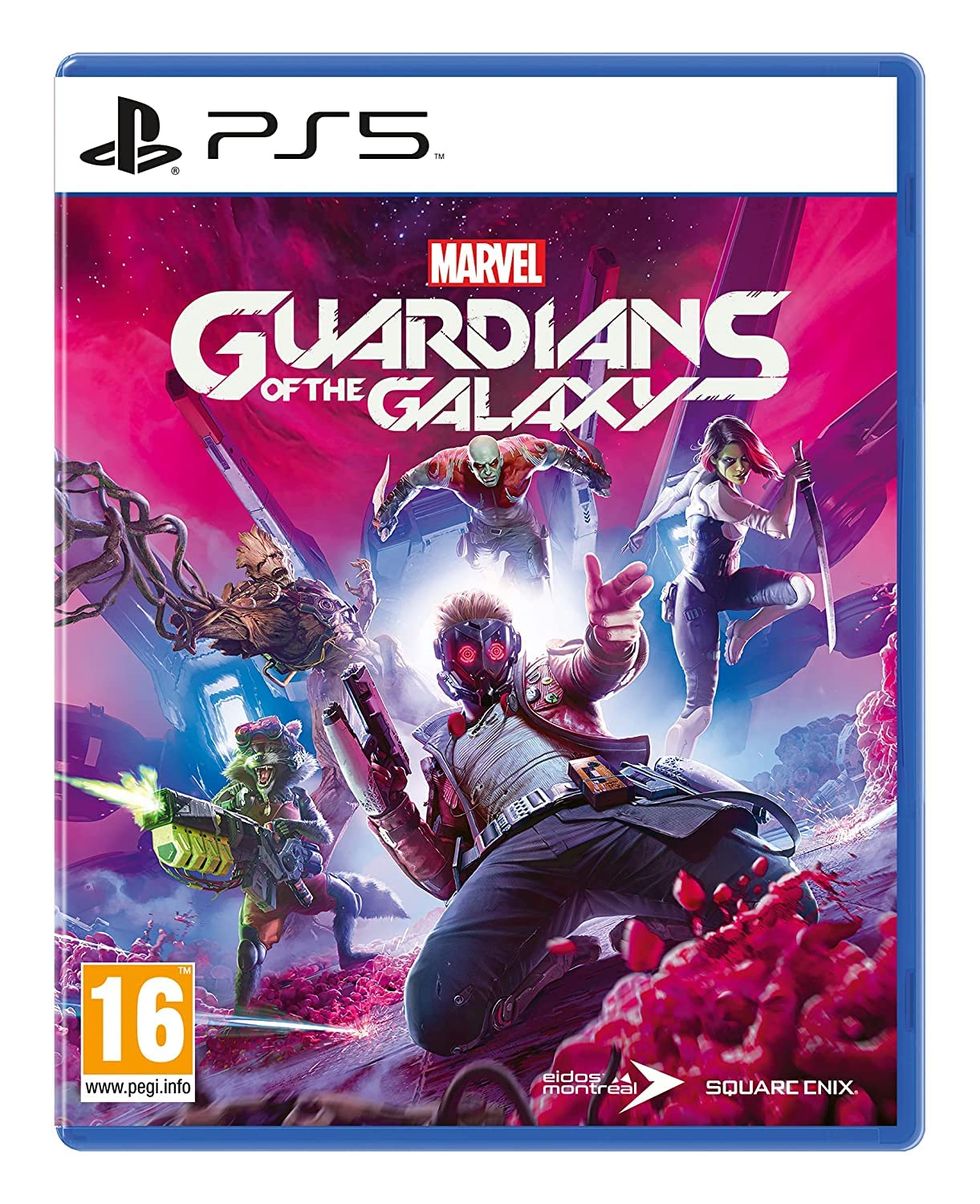
Square Enix Marvel's Guardians of the Galaxy (PS5)

Funk Pop! Guardians of the Galaxy Vol 2 Rocket Raccoon Pop! Vinyl Figure
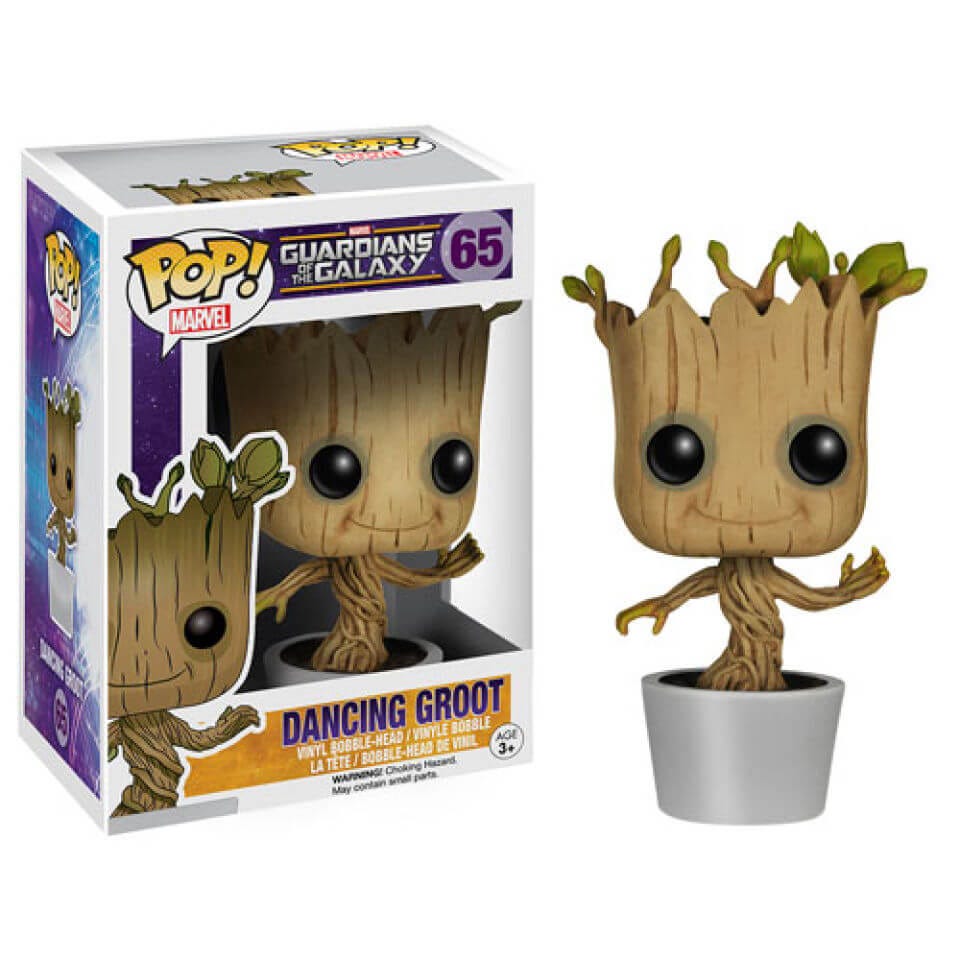
Funko Pop! Marvel Guardians of the Galaxy Dancing Groot Pop! Vinyl Figure
Hollywood Records Vol 2 Guardians of the Galaxy: Awesome Mix Vol 2 (Original Motion Picture Soundtrack)
Funko Pop! Guardians of the Galaxy Vol 2 Star-Lord Pop! Vinyl Figure
Funko Pop! Marvel Infinity War Young Gamora with Dagger Pop! Vinyl Figure
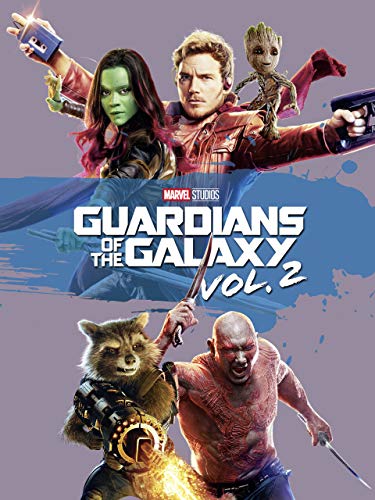
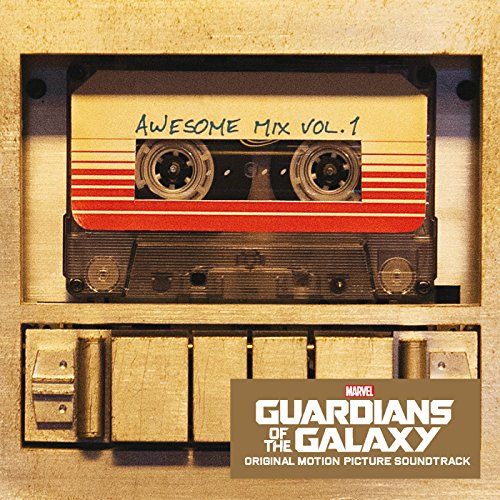
Hollywood Records Guardians of the Galaxy: Awesome Mix Vol. 1 (Original Motion Picture Soundtrack)
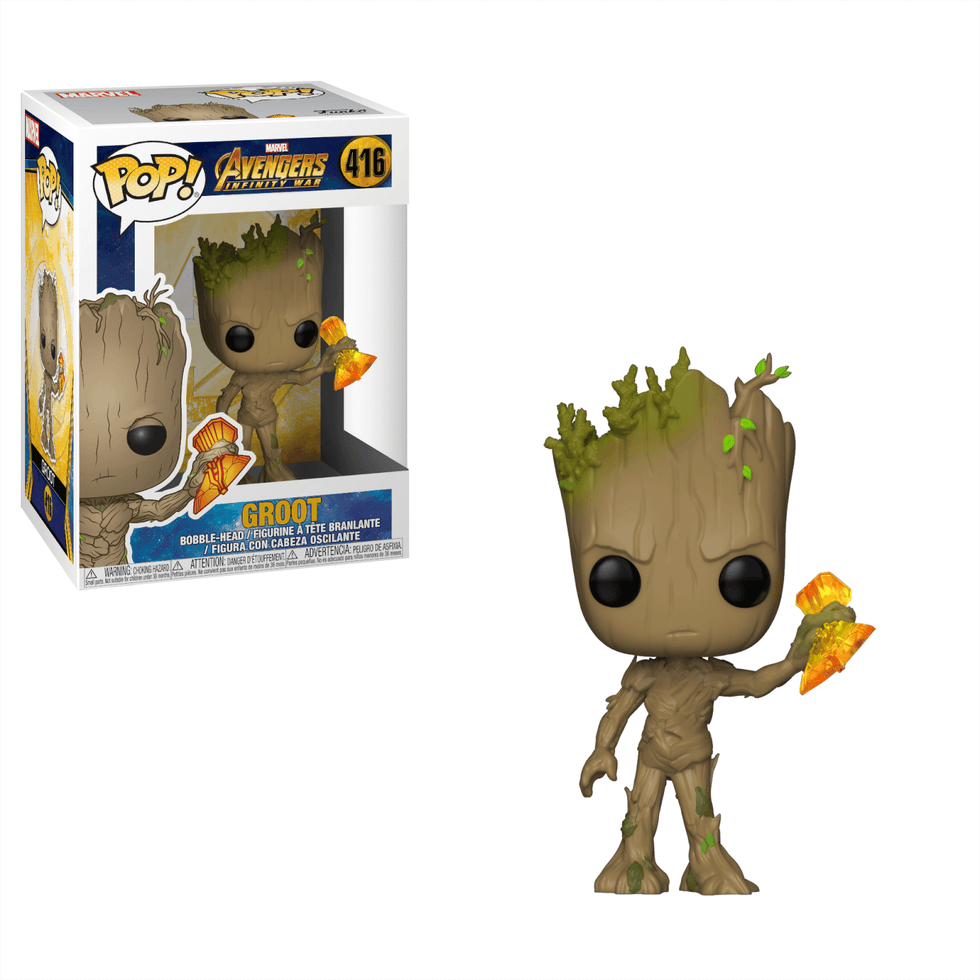
Funko Pop! Marvel Infinity War Groot with Stormbreaker Pop! Vinyl Figure
After teaching in England and South Korea, David turned to writing in Germany, where he covered everything from superhero movies to the Berlin Film Festival.
In 2019, David moved to London to join Digital Spy, where he could indulge his love of comics, horror and LGBTQ+ storytelling as Deputy TV Editor, and later, as Acting TV Editor.
David has spoken on numerous LGBTQ+ panels to discuss queer representation and in 2020, he created the Rainbow Crew interview series, which celebrates LGBTQ+ talent on both sides of the camera via video content and longform reads.
Beyond that, David has interviewed all your faves, including Henry Cavill, Pedro Pascal, Olivia Colman, Patrick Stewart, Ncuti Gatwa, Jamie Dornan, Regina King, and more — not to mention countless Drag Race legends.
As a freelance entertainment journalist, David has bylines across a range of publications including Empire Online, Radio Times, INTO, Highsnobiety, Den of Geek, The Digital Fix and Sight & Sound.


