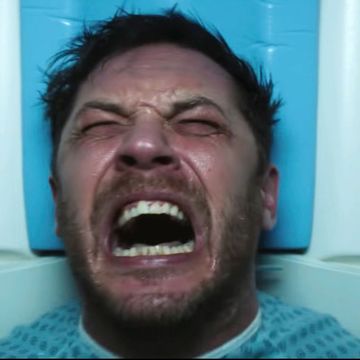
Director: Bill Condon; Screenwriter: Jeffrey Hatcher; Starring: Ian McKellen, Laura Linney, Milo Parker, Roger Allam, Frances de la Tour; Running time: 104 mins; Certificate: PG
Sherlock Holmes has never been more popular, what with Robert Downey Jr, Benedict Cumberbatch and Johnny Lee Miller all putting their stamp on the character in a big-budget movie franchise and concurrent TV series respectively. With low-key drama Mr Holmes, director Bill Condon goes farther out into imagined realms, casting Ian McKellen as the Baker Street detective at 93, when that famous intellect is beginning to fail, leading him on a fascinating, quite poignant search of his own soul.
Mitch Cullin's source novel A Slight Trick of the Mind takes a mischievous leap by crediting the work of Sir Arthur Conan Doyle to the recently deceased Dr Watson. These books are an endless source of bemusement for Holmes who, in 1947, is retired and living in the Sussex countryside, occasionally making a trip to the cinema where he guffaws at the film versions. Here, Condon also seizes the opportunity to poke fun at some hammy post-war acting. By and large, however, the tone of the film is quite sedate, with Holmes occasionally dispensing dry witticisms to counter the dourness of his widowed housekeeper Mrs Munro (Laura Linney).
It's a blunt part for the actress who has been better served on television (The Big C, John Adams) than in movies of late, and her accent veers between Scottish and West Country enough that even Holmes would find it difficult to pin down her place of birth, if he didn't know it already. Munro's precocious son Roger (Milo Parker) offers more light and hope for Holmes who is struggling to remember things, especially the details of an old case that he's sure Watson has fudged and which, for reasons he cannot put his finger on, assumes great importance in his life.
Sherlock fans may also be frustrated by the lack of a traditional, forensic investigation, but as the study of a troubled psyche - with Holmes only knowing for sure that the end is near - it is quietly compelling.
There are also scenes of a trip to Japan where Holmes sources a botanical remedy for his memory loss. Condon spends too much time on this road to pave the way for redemption when it becomes clear how Holmes failed in his duty. The precise nature of this wrong, committed years ago, is where the intrigue lies because, being stripped of facts and empirical certainty, Holmes is left only with the feelings he repressed. Fractured memories haunt the film, like spectres.
What to Read Next


Seventeen years after Condon directed McKellen in Gods and Monsters, the actor (Oscar-nominated for that film) gives another absorbing, multifaceted turn. He reflects on the past as if through a prism that captures the archetypal image of Holmes as cool and aloof on one side, set against the grandfatherly care he shows for Roger on the other. A building rapport with Linney unveils other dimensions, too.
Heartstrings are rather too consciously tugged at the end so that, in the wider context, intellect does win out over emotion. Sherlock fans may also be frustrated by the lack of a traditional, forensic investigation, but as the study of a troubled psyche - with Holmes only knowing for sure that the end is near - it is quietly compelling.





![Chris Hemsworth Bad Times at the El Royale dance [gif]](https://hips.hearstapps.com/digitalspyuk.cdnds.net/18/41/1539256413-chris-hemsworth-bad-times-el-royale-dance.gif?crop=0.4074074074074074xw:1xh;center,top&resize=360:* "Chris Hemsworth Bad Times at the El Royale dance [gif]")