Shortly after A Quiet Place: Day One's record-breaking opening weekend, there was online outrage after it was reported that the horror movie would be available to watch at home within a month of its cinema release.
This was only an alleged release date and nothing has been confirmed by Paramount even now. It sparked a debate, however, about how the report would impact Day One's chances at the box office, and a wider one about how movies just aren't given the time to build their audiences at the cinema.
What wasn't mentioned is that this has simply become the norm, especially in the US.
It wouldn't be a surprise if Day One was made available to buy or rent later this month, as Paramount typically releases its movies digitally around a month after their theatrical debut.
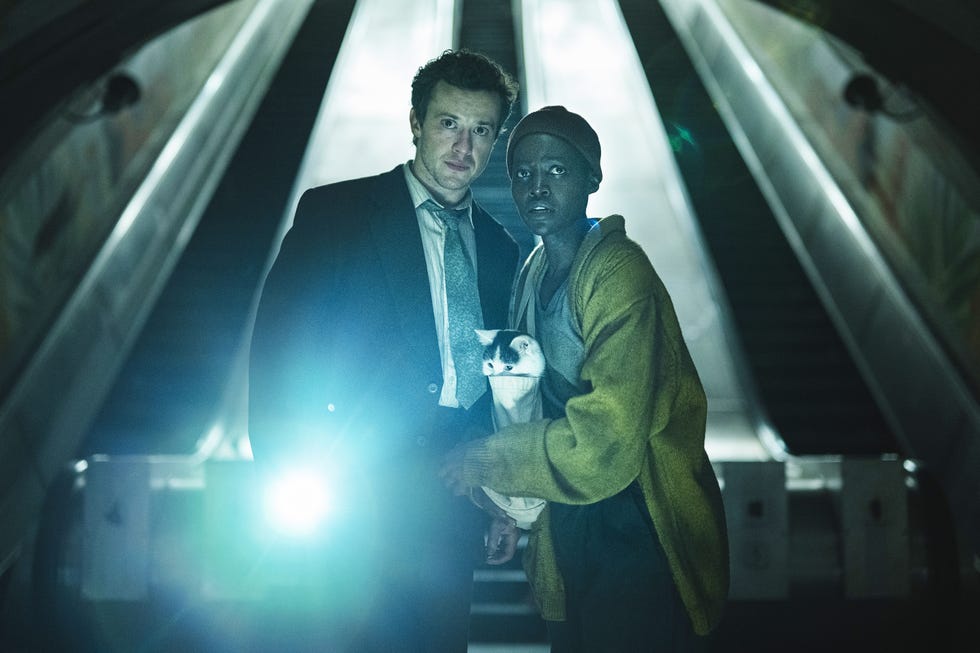
Each major studio has its own digital release strategy.
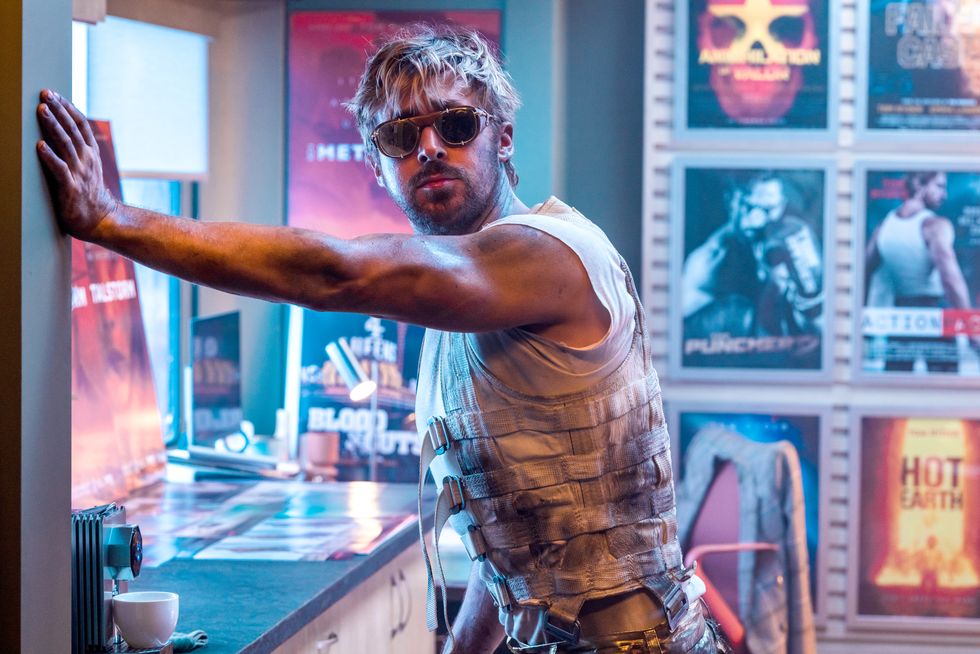
Universal has the quickest turnaround at only 19 days, such as with The Bikeriders or The Fall Guy, while Warner Bros and Sony typically give a movie 45 days at the cinema before a home release. (Furiosa: A Mad Max Saga was a recent exception for Warner Bros.)
What to Read Next
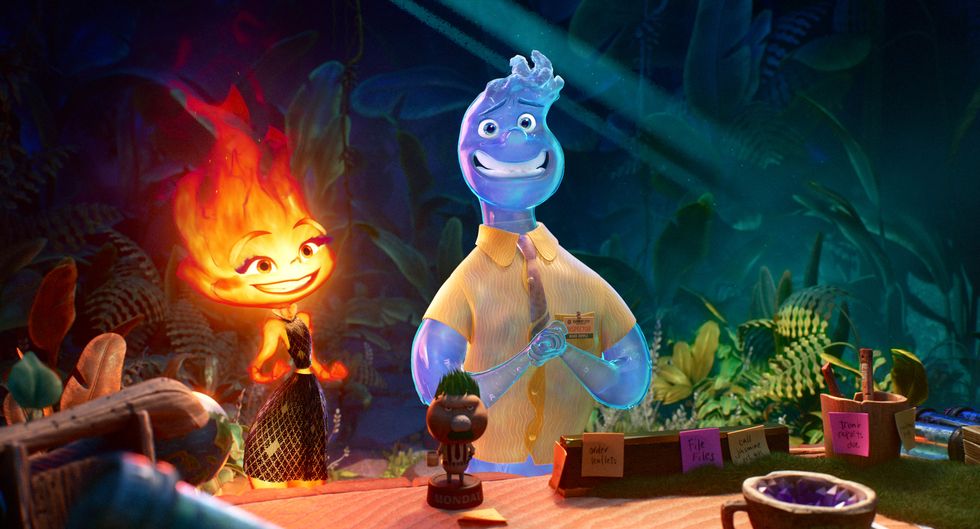
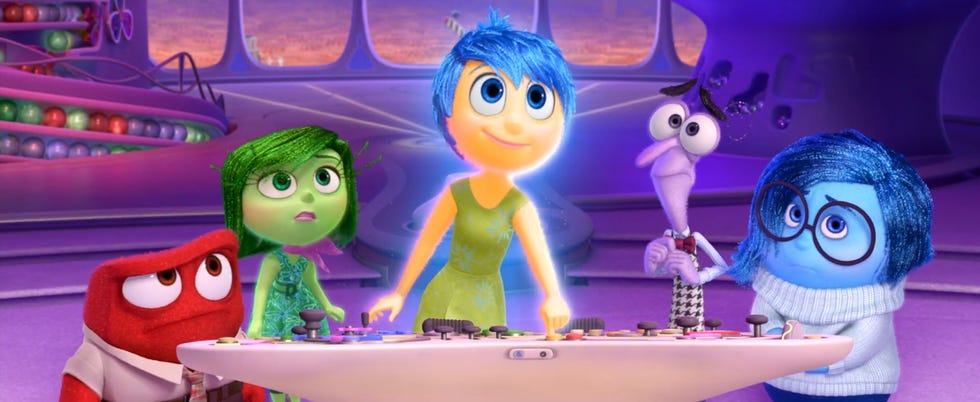
Disney is currently the exception. As with Wish and Elemental, Inside Out 2 has been given a 100-day exclusivity window in cinemas before it lands on Disney+, while it probably won't be available digitally until at least two months after its cinema release.
You could look at the fact that the Pixar sequel has become the biggest movie of the year with $1.35 billion (and counting) as vindication for those asking for longer cinema runs.
But does the speedy digital release really impact a movie's potential at the box office? Or is it a case that people will either see something at the cinema or not?
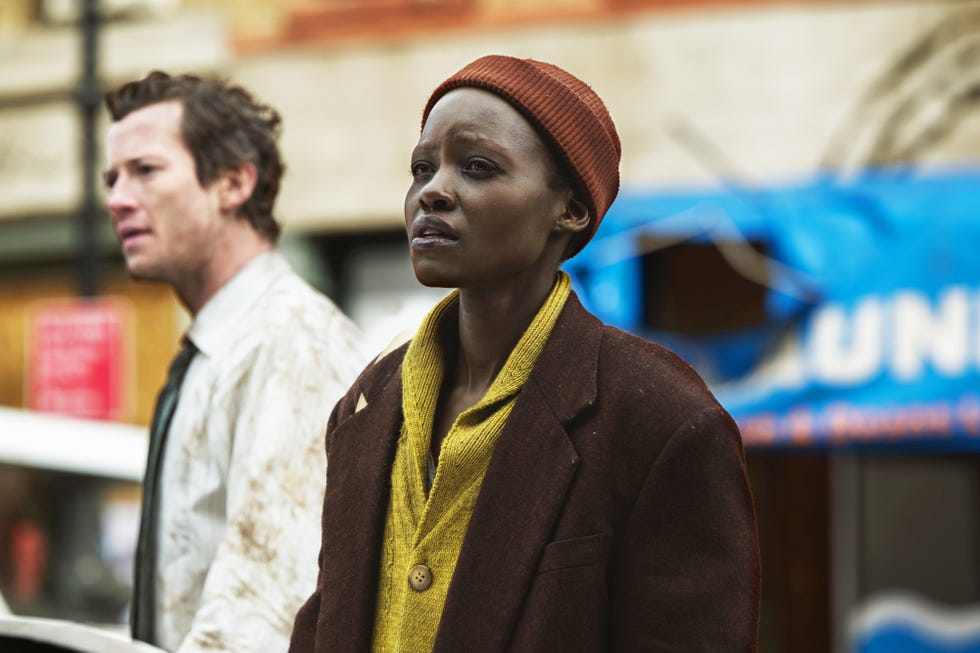
Comscore's senior media analyst Paul Dergarabedian told Digital Spy that while a move to "more dynamic theatrical windows" was accelerated by the pandemic, it hasn't quite been as dire as cinema owners had feared.
"This move did not signal a death knell for cinemas, but rather put a spotlight on the value of a 'theatrical first' release with the prestige and desirability increase that a cinema release imparts to every film that lands on the big screen," he explained.
"Let's be clear, 'dynamic' means that there is no 'one size fits all' model for every film and that a more curated approach depending on a movie's ongoing popularity – or lack thereof – is beneficial to both studios and exhibitors.
"That said, the conventional wisdom that a quicker digital release can hurt a film's box office potential is indeed true if that length of time is unreasonably short as to cause an 'I'll wait for the home video' [reaction] on the part of moviegoers.
"However, every movie has its own unique demographic appeal, playability and there have been many instances where films have had shortened windows yet moviegoers still opted in for the in-cinema experience."
As noted by Dergarabedian, The Fall Guy – which was available to buy or rent in the US after 19 days, the Universal standard – was still fifth at the US box office the weekend after its digital release.
Looking further back, Dune: Part One – which was made available to stream on Max in the US the same day as its cinema release – was still a hit at the box office, with fans choosing to watch it on the big screen.
There definitely is something in knowing that a movie will be available shortly to watch at home that could impact certain movies.
Disney in the past has certainly been a victim of this. During the pandemic, the studio released Pixar movies Soul, Luca and Turning Red directly onto Disney+, almost training audiences to expect to watch them at home.
Lightyear then was a notable flop in cinemas and Elemental got off to a slow start before recovering well. While it can't solely be attributed to the fact that audiences thought they'd be able to watch at home, it certainly would have been one of the factors.
However, it's simplistic to say that if studios gave movies longer theatrical windows, they'd all be bigger hits. Even the highest-grossing movies of the past two decades have generally made the majority of their money by their sixth weekend of release (38 days).
Earlier this year, Scott Mendelson, box office analyst and entertainment journalist for Puck News and The Outside Scoop, did a deep dive into some of the biggest movies over the past 20 years.
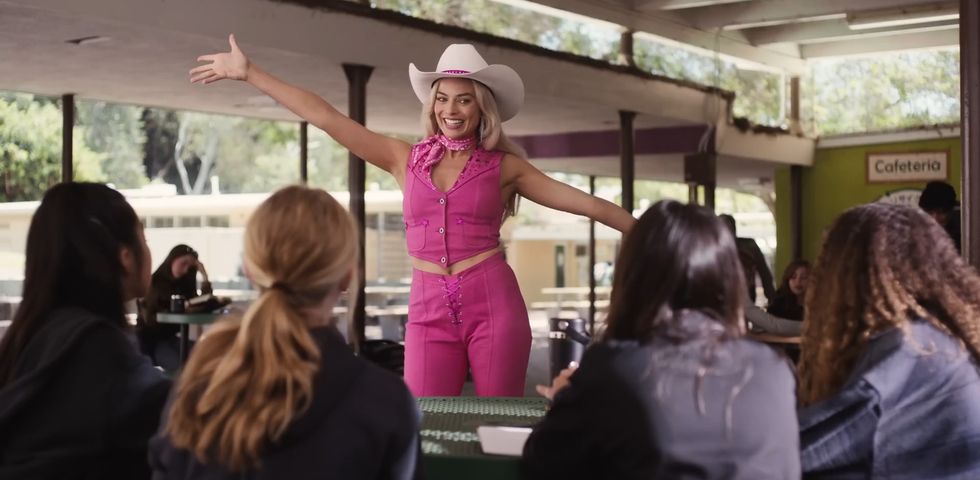
Movies such as The Super Mario Bros Movie, Dune: Part Two, Barbie, Inception, both A Quiet Place movies and the Dark Knight trilogy had made 85%-95% of their final US box-office gross by the end of their sixth weekend.
"Word-of-mouth and variables like a sense of surprise or discovery can lead to longer 'opening weekend to domestic final' multipliers. That post-debut goodwill tends to see consumers showing up in the third week, not the third month," he noted.
"Films that opened well over the last few years have not seen their legs undercut by the new windows. Just because the shattering of the theatrical window hasn't aggressively and swiftly harmed cinemas, even providing some positive commercial impact for struggling theatricals, doesn't mean it won't in a death-by-thousand-cuts fashion.
"Honestly, we won't know for sure until we have a year with 2010s-level theatrical volume. Maybe next year? But for the moment, studios are currently betting on viewer ignorance or indifference."
As Mendelson pointed out, the other factor here – about whether or not quicker digital releases hurt a movie's box-office chances – is the assumption that everybody knows when a movie will be made available to watch at home.
Unless you've followed the US release calendar closely, it's not likely you'll be aware of each studio's standard release pattern.
It's why that when, say, The Fall Guy gets a digital release only 19 days after its cinema release, people react as though it's down to the fact it didn't do well at the box office when really it's just because that's what happens with Universal releases.
Yes, it might seem shocking that A Quiet Place: Day One could be available to watch at home at the end of this month. But again, if that does happen, it's just reflective of the 'new normal' in the US, and the outrage is because this Paramount strategy isn't well-known to general audiences.
In the UK, no studio has anything as quick as Universal's 19-day gap so it's not as pronounced an issue. (The Bikeriders, for instance, is not available yet to watch at home in the UK.)
"I think we're still in a state of trial and transition and studios are still working out what's best for them and their films. It is clear though that for some films a long window (potentially 100+ days) is the best commercial strategy," DCM's Tom Linay told Digital Spy.
"The biggest films of the last few years have had long theatrical windows, and not just Oppenheimer [but also] Top Gun: Maverick, Dune: Part Two, Avatar: The Way of Water, Barbie and Wonka.
"Disney announced before Inside Out 2's release that it's getting a 100+ day window and it's looking increasingly likely that Inside Out 2 could be the biggest film of the year. We have been told many times over the past few years that audiences have been trained to watch Pixar films at home but Inside Out 2 has debunked that.
"I think it shows that a long theatrical window works for films that have genuine box-office potential."
And this could really be what it boils down to. A movie that always looks like it'll do well will, most likely, continue to do well at the box office, even if you knew that you could watch it at home within a month of its cinema release.
It's more indicative of the trends of the industry as a whole that movies such as The Fall Guy aren't the guaranteed box-office winners that they once might have been.

"The films likely being dinged by the practice are the same kind of non-event studio programmers that have been getting their asses kicked for a decade, from Whiskey Tango Foxtrot in 2016 to Long Shot in 2019 to The Creator in 2023," Mendelson added.
"The grim truth is that The Fall Guy, loosely based on an old TV show and starring two headliners who are famous and well-liked without being butts-in-seats draws, fits into that category.
"Universal releasing The Fall Guy at home after 19 days is now primarily a symptom of underwhelming commercial prospects for films of that nature over the last eight years."
You Might Like...

Movies Editor, Digital Spy Ian has more than 10 years of movies journalism experience as a writer and editor. Starting out as an intern at trade bible Screen International, he was promoted to report and analyse UK box-office results, as well as carving his own niche with horror movies, attending genre festivals around the world. After moving to Digital Spy, initially as a TV writer, he was nominated for New Digital Talent of the Year at the PPA Digital Awards. He became Movies Editor in 2019, in which role he has interviewed 100s of stars, including Chris Hemsworth, Florence Pugh, Keanu Reeves, Idris Elba and Olivia Colman, become a human encyclopedia for Marvel and appeared as an expert guest on BBC News and on-stage at MCM Comic-Con. Where he can, he continues to push his horror agenda – whether his editor likes it or not.


