I've secretly started to dread new Pixar films. Not because I fear they might be bad – they so rarely are – but because they've reliably made me sob to the point of physical ache. They cause those deep, anguished gasps for air that rattle my body. They make my stomach twist. They leave my shirt collar drenched in tears.
I cried in the back of my dad's car on the way back from Inside Out, mourning a lost childhood when things were simpler. I crumpled into two in an elevator after Coco, heaving with anxiety, because my white, Irish Catholic upbringing meant I'd never faced what waits for us beyond even death, when the last memory of us on Earth has been snuffed out.
And as I left Soul, following one of its previews at this year's London Film Festival, I felt a new weight quietly attach itself. Again and again, I couldn't help but ask myself: "If I died tomorrow, would I be happy with what I achieved in life?" It sounds a little histrionic, but it's exactly the kind of reaction Pixar's films have been designed to elicit.

Soul, directed by Pete Docter and Kemp Powers, sees jazz musician Jamie Foxx fall to his death down an open manhole, right as his dreams were about to come true. Somewhere on the other side, he discovers The Great Before, a place of life before life, where he learns truths about his own existence that both devastate and empower.
It's as if, with each consecutive film, Pixar has led us closer and closer to absolute existential annihilation.
What to Read Next
We've gone from the question "Why do we feel what we feel?" to "What happens after we die?", to the biggest unknown of them all – "What even is the meaning of life?" And all that with the aid of a pack of puppy-eyed cartoon characters who wheel about and make funny faces.
Why have we let Pixar rule our lives like this? Why have we simply accepted this bizarre state of affairs, where children will go to Pixar films and come out demanding Woody dolls and screaming "Mike Wazowski!" from the top of their lungs, while parents will come out bleary-eyed and internally broken?
Sure, the occasional weepy climax has always been a part of animation – I'll never forget the few, distressing minutes I truly believed Diego from Ice Age had kicked the bucket – but this is an entirely different beast. It's borderline sinister, a Machiavellian-level of emotional manipulation. Up's opening scene may be a knockout piece of filmmaking, but it also feels like being prodded by a thousand little demons screaming: "Cry! Cry, you pathetic worm!"

Pixar wasn't always fixated on torturing adults.
Toy Story, the studio's first film, is a rollicking buddy comedy, save for the one bummer scene where Buzz Lightyear realises he's only one of a thousand identical toys, not an actual space ranger. But there's been a gradual shift over the years, where directors have increasingly been asked to mine their most intimate, personal experiences and put them up on screen.
Inside Out, which anthropomorphises the five emotions driving the mind of 11-year-old girl Riley – Joy, Sadness, Anger, Fear, and Disgust – draws heavily from the life of its director, Pete Docter. Riley is based on his daughter Ellie and the film's plot recalls his difficulties moving home (to Denmark in his case) at a young age.
Onward, which follows two elf brothers as they try to magic back their dead dad for just one day, springs from the realisation director and co-writer Dan Scanlon had about the loss of his own father.

Domee Shi's short Bao, about a Chinese-Canadian woman whose steamed bun comes to life, only for her to suddenly feel deeply protective of it, is linked to something her own mother would tell her – "I wish I could put you back in my stomach so I knew exactly where you were at all times."
These stories are planted, nurtured, and grown with the help of Pixar's "brain trust", a small group of creatives that meet every few months to offer unvarnished, candid feedback, so that these films can still maintain a sense of broad universality.
The studio also seems to grasp the fundamental differences between older and younger audiences – that it's not as simple as sending innuendos flying over the heads of precious, little ones.
Age changes the way we process emotions, in a way that just so happens to be beautifully (and accurately) expressed in Inside Out. Joy, sadness, anger, fear, and disgust were, alongside surprise, all recognised by psychologist Paul Ekman as core, universal emotions – consistent between all ages and cultures.

But they grow more complex as we age; they conflict and mutate, as we happen on strange sensations like nostalgia, contempt, or sympathy for others. At the end of her story, Riley discovers that her memories of her old home, the one she misses so dearly, can be tinged with both happiness and sadness. And so, as the years pass by, we can grow to appreciate Pixar's films in new ways.
When Andy leaves for college at the end of Toy Story 3, bidding farewell to all his childhood toys, it feels like both a triumph and a tragedy. In Finding Nemo, Marlin realises that you have to let your children be free if they're to flourish, no matter how much it hurts you.
Inside Out made sure to preach the vital importance of sadness. Joy (Amy Poehler) spends the majority of the film trying to prevent Sadness (Phyllis Smith) from, in her eyes, tainting Riley's personality. At one point, she draws a circle on the floor and demands Sadness stay inside of it.
Even in the outside world, Riley's own mother will tell her that, since her father is stressed at work, "If we could keep smiling it'll be a big help." But an emotion can only be suppressed for so long. Riley ends up numb – the controls to her mind growing grey and lifeless. She fights with her loved ones; she runs away from home. It's only when Sadness is allowed, gently and lovingly, to take up the controls for a while that balance is restored. Happiness is meaningless if we have no concept of how fragile it can be.

It can be hard to deal with the rootlessness left behind by change – whether that be death, growing up, or moving on.
But when we see those complex, indiscernible emotions projected onto things like cars, robots, and fish, it's at least a reminder that we aren't alone in our struggles. Here is a space where we can be vulnerable, just for a moment, and find release.
So, yes, Pixar films might make us miserable. But maybe that's exactly what we need.
Soul is available to watch now on Disney+, along with every Pixar movie to date.
![Lightyear [DVD]](https://hips.hearstapps.com/vader-prod.s3.amazonaws.com/1659454040-51fkFy9on0L._SL500_.jpg?crop=1xw:1xh;center,top&resize=980:* "Lightyear [DVD]")


![The Complete Toy Story Collection: Toy Story / Toy Story 2 / Toy Story 3 [Blu-ray]](https://hips.hearstapps.com/vader-prod.s3.amazonaws.com/1556619274-1542275770-toy-story-4.jpg?crop=1xw:1xh;center,top&resize=980:* "The Complete Toy Story Collection: Toy Story / Toy Story 2 / Toy Story 3 [Blu-ray]")
Disney The Complete Toy Story Collection: Toy Story / Toy Story 2 / Toy Story 3 [Blu-ray]
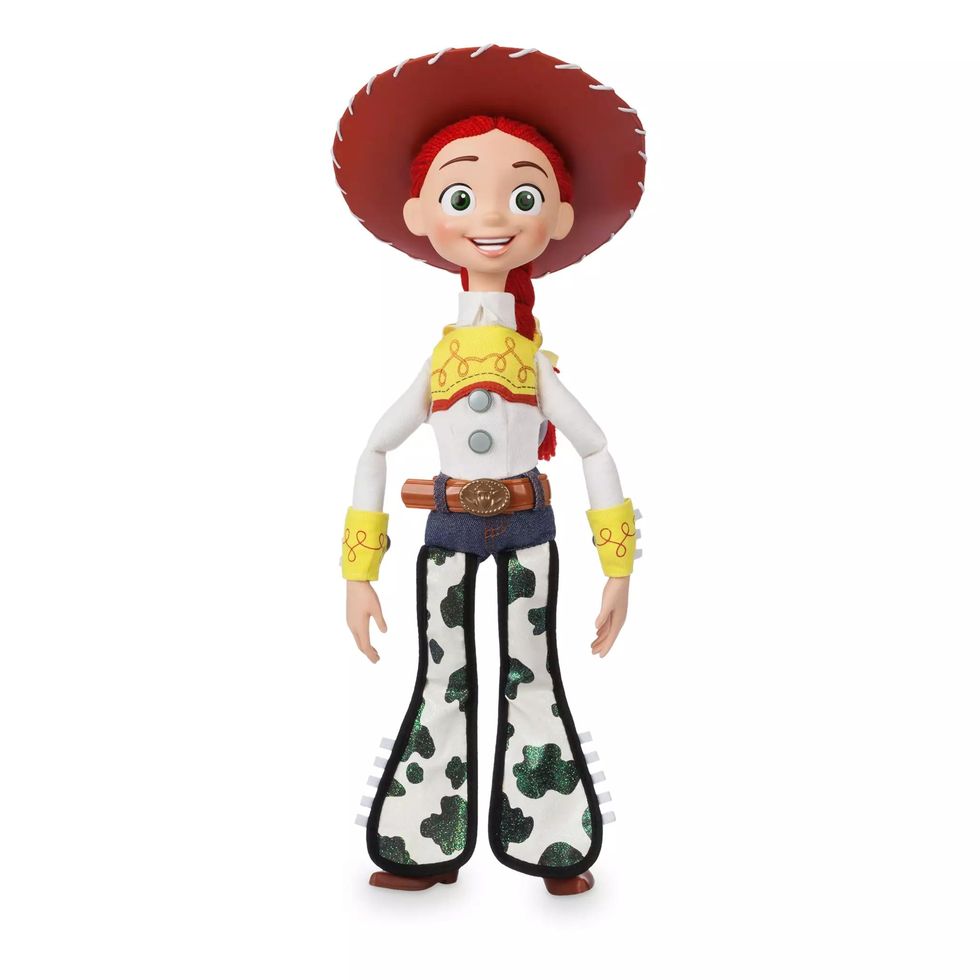
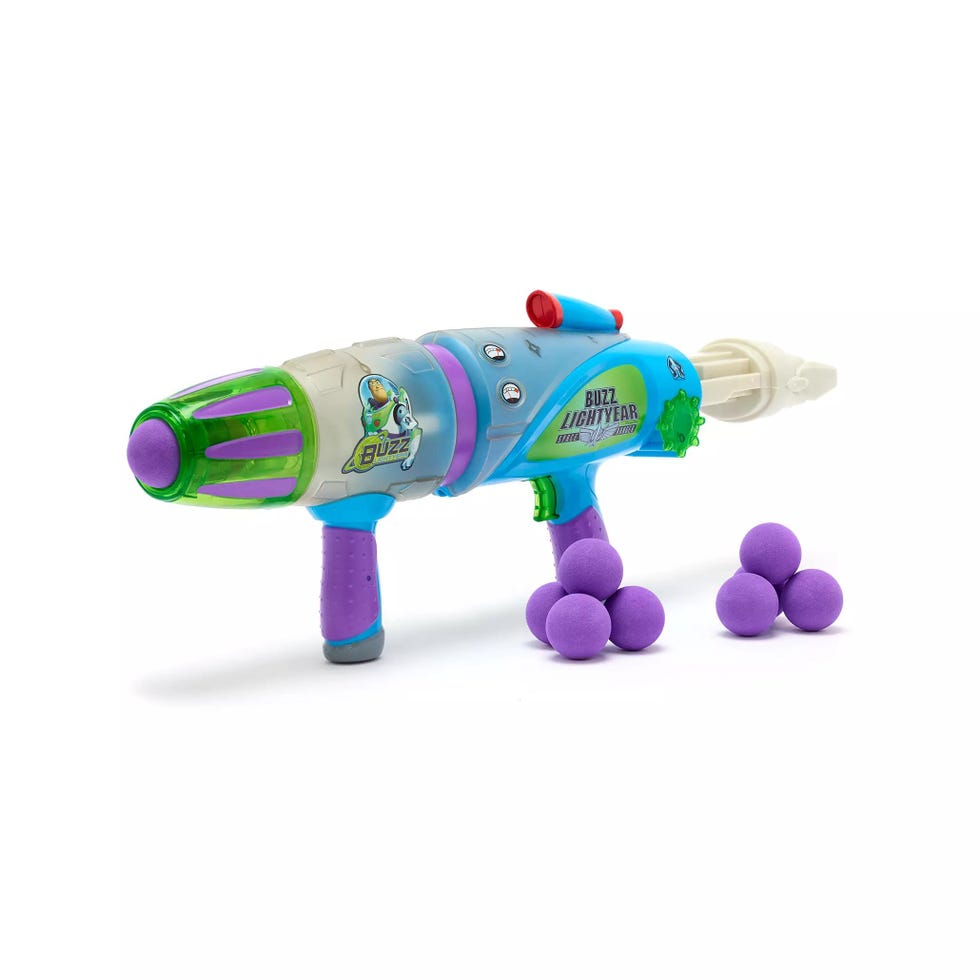
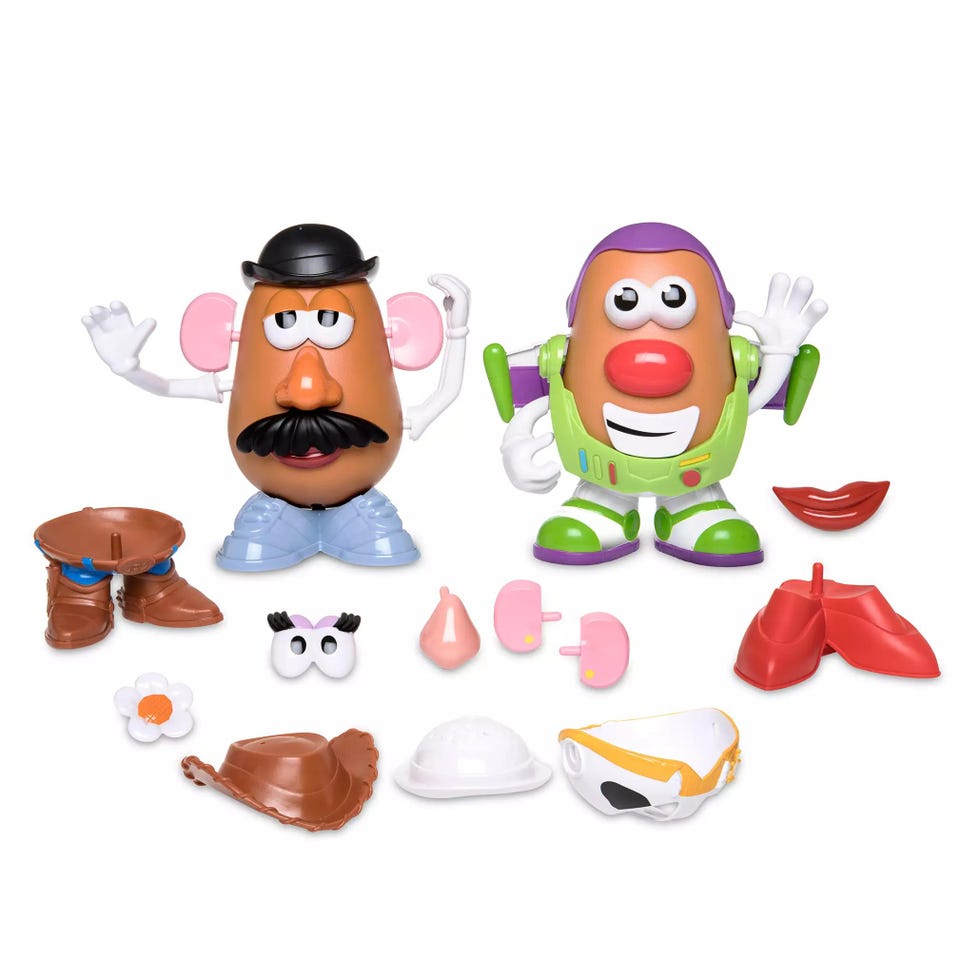

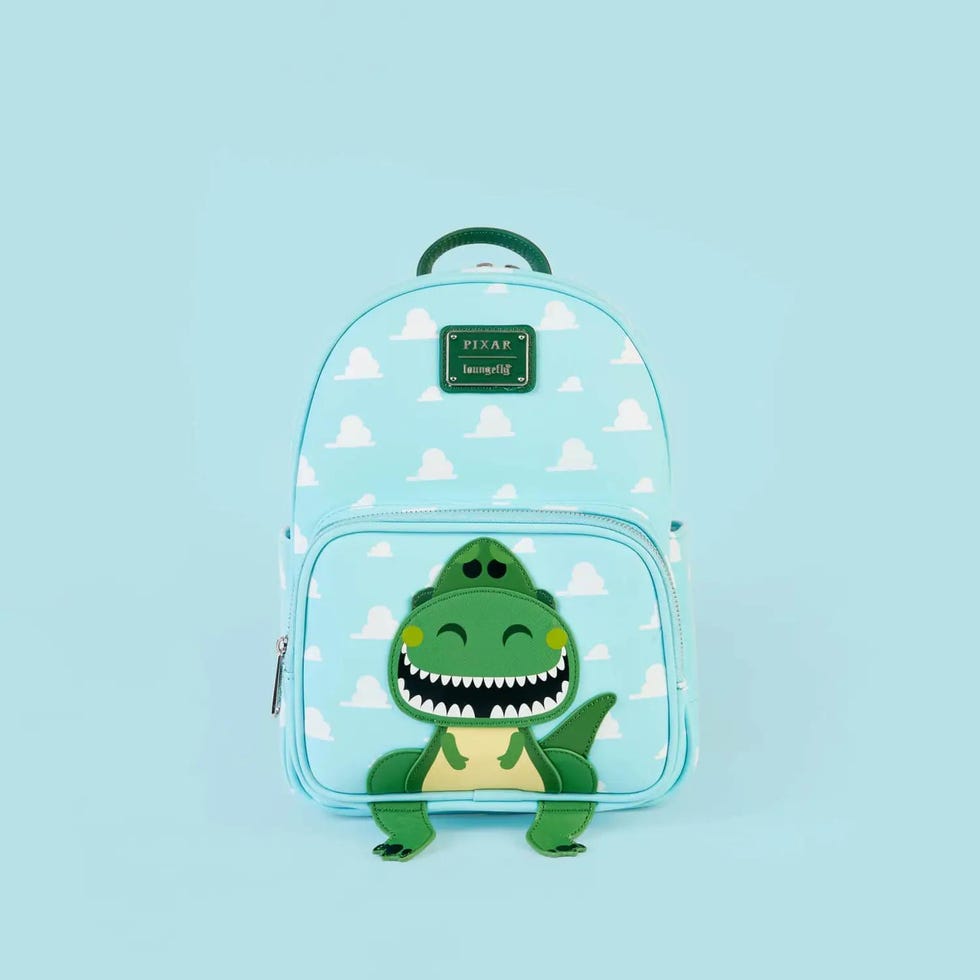

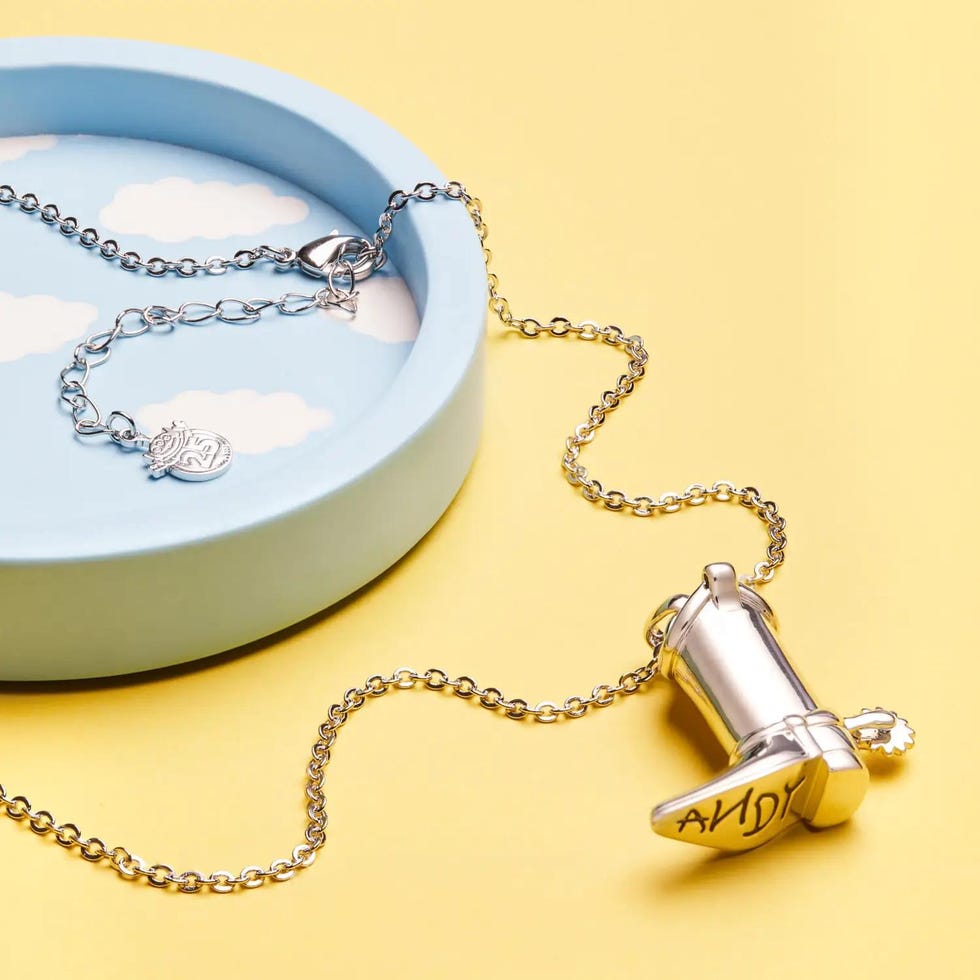
Couture Kingdom x Toy Story white gold-plated Woody boot necklace
Digital Spy has launched its first-ever digital magazine with exclusive features, interviews, and videos. Check it out with a 1-month free trial, only on Apple News+.
Interested in Digital Spy's weekly newsletter? Sign up to get it sent straight to your inbox – and don't forget to join our Watch This Facebook Group for daily TV recommendations and discussions with other readers.


