
Back in 2019, we called EastEnders' burgeoning #Ballum plot one of the "most compelling LGBTQ+ storylines of the year".
The pair, comprised of slowly-reforming bad boy Ben Mitchell and recently-out police officer Callum Highway, have become huge fan-favourites since their romance was first hinted at. And, despite some socially distanced setbacks, they even managed to tie the knot last year.
Things haven't been totally smooth sailing for our boys though, with plenty of fans growing exasperated at the show's decision to throw more turmoil their way.

That's sort of the catch-22 of all soaps though, especially when it comes to romantic pairings. Fans form strong emotional attachments to characters and understandably want to see them happy, but we also need to keep the duff-duffs coming.
This brings us to the present moment. After a rocky start to the year, things went from bad to worse for #Ballum in January after they were subjected to a homophobic attack by a far-right gang while out with their friends.
In the episodes following the attack, which saw Callum knocked unconscious, the show explored the differing impact it had on both characters.
What to Read Next

Ben, in particular, was once again faced with the reality of being an out member of the LGBTQ+ community (even while enjoying the privilege of being a cis white man) after his ex-boyfriend Paul was killed in similar circumstances six years ago. Callum, by contrast, ended up being emboldened and admirably took an "it's their problem, not ours" approach.
The end result was Ben essentially going back in the closet and coming close to splitting from his husband out of fear.
While some fans roiled at yet another dramatic moment for the couple, the storyline shone an important spotlight on something that straight viewers might not really understand – which is that homophobia and transphobia are still major issues in the UK.

Despite well-meaning folks telling you that "things have got much better" or "it's not really a problem nowadays", hate crimes against the LGBTQ+ community have soared in the past 6 years.
In the face of this, taking time to unpack the complex feelings different people might have about being "out" is absolutely a worthwhile exploit.
When, during a conversation with Phil and Kathy (who can't understand where he is coming from) Ben says: "Why is it that every time I call my husband and I don't get an answer, my first thought is 'Has he been killed?'".
There will be lots of LGTBQ+ viewers who empathise.
It's impossible to tell people how they should live their lives, and what value they should put on their own safety – it's a constantly shifting scale. Lots of queer people, when they're out with their partners or leaving a gay venue, are doing risk assessments of the sort that straight people (especially men) rarely have to think about.
Facing this level of mental gymnastics can be exhausting, so it's no surprise that Ben opts for what he sees as the path of least resistance – hiding his queerness in public. Later in the Kathy scene, he says:
"I'm tired of fighting, I'm tired of being scared. Imagine what it's like, walking down the street holding hands with the person you love in the place that you live – and knowing that that puts you in immediate danger. And now tell me that you're not frightened."

It's worth noting that a lot of the weight of these scenes comes from a surprisingly tender delivery from actor Max Bowden, who manages to fuse together Ben's very-clearly-a-front attitude, with the sensitive side underneath.
Beyond the performance and writing, part of the power of how EastEnders handles this storyline comes from the way it doesn't reach for easy answers and balances both Callum and Ben's experiences. This is absolutely reminiscent of the dual way the show handled Callum's coming-out storyline.
Here we saw Callum go from strength to strength in the aftermath of the attack, becoming increasingly involved in community action and activities – proudly displaying his rainbow badge, organising a street party and more.
In contrast, Ben grew more conflicted – stewing in a particularly toxic kind of internalised homophobia – getting close to concluding that he and his friends were 'asking for it' by being out and proud.
This was all compounded by conversations with Paul's grandmother Pam, who, in a particularly painful moment, wonders aloud whether, "If Paul hadn't been gay, wouldn't that have been better?". This makes Ben ultimately ask the same question himself – dramatically and darkly reducing it to "is it better to be proud or alive?".
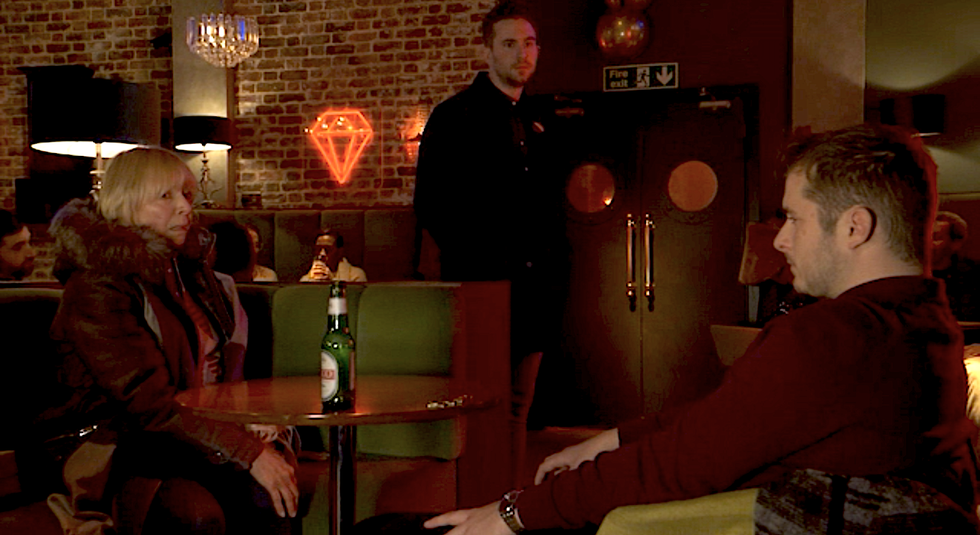
The fact that the show was willing to take the character to this point, where previously Ben had worn his gayness as a badge of honour is really interesting. It reminds viewers that for some people, safety and security can feel just as precarious in 2022.
This is true for queer people in the UK and around the world, particularly for groups who are more at risk. LGBTQ+ people who are Black, Asian, or from minority ethnic backgrounds are much more likely to experience discrimination and violence because of their identities – and hate crimes and violence against transgender people in the UK have quadrupled since 2015.
As the storyline stands now, ending as it has, the show has made a call on which #Ballum approach is right. And, of course, that's Callum's. Queer people have the right to love and live in any way they desire, and shouldn't have to cower or hide for fear of retribution.

It's particularly interesting, though, that the way Callum fully stands up for his identity – and the scene that involves him winning over Ben – is during the street party he throws with Walford's gay bar.
Callum draws strength from the LGBTQ+ community around him, his local venues and all the vibrant queer people he knows – a surefire recipe for confidence in solidarity.
And for Ben, it's none other than classic gay icon Sharon Mitchell who gives him the push he needs to at least go out and face the world. "Fake it until you make it," is Sharon's advice. It might seem cynical or shortsighted at first, but it's a mantra that lots of us have to adopt when it comes to confidence, at least until the world catches up.
EastEnders airs on Mondays, Tuesdays, Thursdays and Fridays on BBC One.


